Tuesday, October 27, 2015

A Genetically Modified Yeast Turns Sugars into Painkillers


Researchers at Stanford University have modified yeast to produce opiate painkillers from sugars.  Normally, opiates are created from a plant, the opium poppy, and take a year to be fully converted from farm to pharmacy.  Using plants to produce medicine is very common, however plants’ main purpose is not to produce these medicines, so it is not an efficient process most times.  By using yeast, these researchers believe they will be able to produce opiates with more efficiency.  Similarly, a team at the University of California Berkeley used yeast to produce the building block of morphine.  

The researchers at Stanford first had to genetically re-create enzymes so the yeast would create thebaine, not the amino acid tyrosine as they normally do.  Thebaine is the precursor to hydrocodone, or more commonly known as Vicodin.  The genes needed to convert hydrocodone into Vicodin were inserted into the yeast from plants, rats, and bacteria.  At this point, the yeast are not very efficient, producing 1 dose of opiates per 4,400 gallons of yeast, but the researchers believe there is room for great improvement and have already taken steps toward new experiments.  

I think this is a huge medical advancement.  Considering the opium poppy is only grown in select areas of the world, it seems that development of opiates is limited.  Relying on plants for medicine means pest infestations, drought, and climate change can affect our ability to produce important medications.  Along with not having to deal with these issues, the benefits to using yeast are lowering the cost of production of opiates, and making them more available to those who need them.  The largest controversy this research brings up is if yeast can be used to produce opiates, maybe down the road they can be “home-brewed” by those who do not need the medication.  However, this is unlikely because the genes needed to modify the yeast would be difficult to acquire. It seems the benefits these yeast provide may change modern medicine.  

Original Article

Genes Identified Could Help Restore Hearing


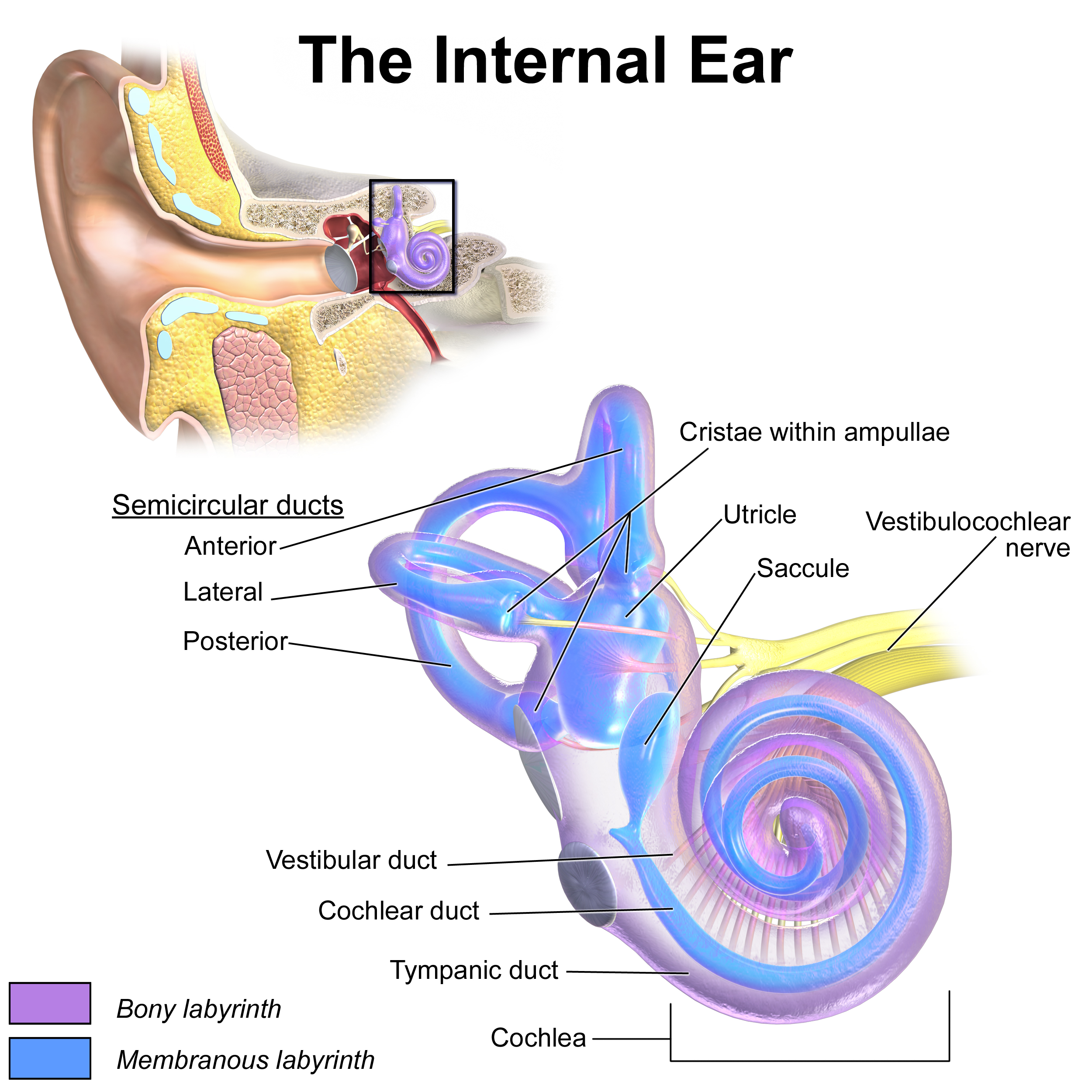
A majority of the time, hearing loss occurs due to damage to hair cells or auditory nerve cells located in the inner ear. The hair cells are named due to their hair-like extensions, and they are formally called stereocilia. These cells convert vibrations into electrical signals and the auditory nerve carries them to the brain, producing sound. Stereocilia can be damaged through various means such as aging, medication, trauma, or loud noises. These hair cells grow during fetal development, but this growth stops after birth, which also prevents regeneration later on.

A new study has identified two genes that are responsible for the growth of these hairs. Dr. Ksenia Gnedeva observed the gene expression in an inner ear structure called the utricle. The utricle is lined with these hair cells, as is the cochlea. Gnedeva identified the Sox4 and Sox11 transcription factors. They are highly active during development, but they become dormant after birth. The study was done with mice. The mice that were developing had their genes turned off to observe the results. The inner ear as a whole did not develop normally. The mice that were already developed had their genes switched on and were able to regenerate the stereocilia. 

The overall goal of this study is to turn these genes back on in animals to allow them to regenerate their hair cells in the inner ear. If this is successful, it could potentially mean that humans who suffer from hearing loss could regain it eventually. One issue with this therapy could be if the hearing loss is caused by auditory nerve cell damage. This would only help people affected with hair cell damage. If there is a mix of the two, it is possible for the person to regain some of their hearing but not all. There is still work to be done before use as a therapy for hearing loss. 

Gene Therapy Treatment for Muscular Dystrophy Effective in Dogs


Duchenne muscular dystrophy (DMD) is a muscular disorder caused by a recessive mutation in dystrophin gene on the X chromosome that disrupts the production of the dystrophin protein. The disorder begins in the lower extremities and causes damaged muscle to be replaced with fibrous, fatty, or bony tissue. This leads to loss of muscle function and weakening of the muscles, while eventually causing a premature death. While being very prominent, as it affect 1 in 3500 males worldwide, scientists have searched for a way to successfully treat the dreadful disorder. 

The problem researchers have had with using gene therapy to repair the mutated dystrophin gene is that the gene is one of the largest in the human genome. However, after more then ten years of research, researchers at the University of Missouri (MU) School of Medicine have finally found a method of gene therapy that has successfully cured dogs with DMD and is now ready for human clinical trials.  Through previous research, the researchers at the MU School of Medicine have developed a miniature version of the dystrophin gene, called a microgene, which they can inject into an organism via a adeno-associated virus. In their testing, dogs were injected with the virus and the virus allowed for microgene to be delivered to all the muscles in the body of the diseased dog, effectively curing the dog of the disease. The dogs were injected with the virus when they were two to three months old and began showing signs of DMD, and are now six to seven months old and are developing normally. Since dogs inherit DMD naturally in a similar manner as humans this finding can be used to possibly cure the disease in human's. Based on how the dogs continue to develop the use of this gene therapy may be ready for human trial in a few years and can effectively lead to curing this disease. 

Overall, I find this article to be fascinating. It highlights the idea that genetics studies can be used for gene therapy and curing diseases. I think its amazing how we can combine so many aspects of genetics and biology and use it to cure diseases that have killed millions of people. 

For a link to the original article click here
For more information on muscular dystrophy click here
For another article on the study directly from the MU website click here

Monday, October 26, 2015

Drug Could Kill Harmful Bacteria But Leave Benign Ones Untouched


According to the New Scientist researchers have been working on a way of making a class of bacteria-destroying viruses more useful. This meaning that they would be able to use this phage virus to kill disease-causing bacteria while still leaving the “good” bacteria unharmed. Timothy Lu and his colleagues are conducting the research at MIT. The phage virus is thought to be a possible alternative to antibiotics.

“Most phages infect only one species or even a few strains within a species; antibiotics aren’t so selective.” This however is an issue because it is not easy to determine what bacterial strain is present in an infection. Therefore, it would be necessary to have a mix of many phages to have an effective treatment. The phage created by the researches at MIT normally kills E. coli, however by switching in a different tail, researchers made the phage capable of killing at least 99 per cent of either Yersinia or Klebsiella bacteria. 

This research I find to be very interesting. However, it still has a long way to go in my opinion. It seems to have many benefits but also some downfalls that still need to be worked out.


Dr. George Church of Harvard Medical School dropped a bombshell in the middle of his presentation. In a typical experiment scientists use Crispr to alter a single gene. Church and his colleagues used Crispr to alter 62 genes at once in pig cells. They hope this will lead to using pig organs for human transplants. This also raises the question is this experiment could be used to altered multiple human genes at once. In 1990s researchers explored the possibility of using pig organs for human transplant. There is a major risk with pigs DNA called porcine version also known as PERV can affect human cells as well. In 2013 they asked Dr. Church to discover a way to edit the genes of PERV. He agreed to give it a shot even though he thought it wouldn’t work. Dr. Chruch had failed several times only killing the cells.  In the last experiment Dr. Church and colleagues found that there were 62 PERVs in the genome. The DNA was nearly identical from virus to virus. Chruch engineered a new set of genes and inserted them into pigs cell. Two weeks went by and the modified pig cells had altered all of their own viral DNA. Chromosomes showed no abnormalities and the cells grew normally. This could be the answer to endless supply of safe dependable pig organs for transplant.  
       This finding could save thousands of lives! We wouldn't have to wait for someones life to be cut short to save another one. There's always a down side to new findings. This is the first time scientist were able to change multiple genes at once. This could be another huge step to creating designer babies. 

My Genome, Myself: Seeking clues in DNA

The study of the human genome for years has been done by the "elite" scientist in large research lab. This is soon to change because an infant industry is taking advantage of the plummeting cost of genetic testing technology and offering anyone an "inside look" of their own DNA.
With only $1000 and a saliva sample, the customer is able to learn how the billions of bits of their biological code shape who and what they are. About three companies have already announced that they plan to provide the services.
There is some controversy with this service though. Some say that it is beneficial because it explains why people do things. For example, a woman had a pain in her hand, she checked her DNA and realized that she had inherited arthritis. Others completely disagree and say people could become hypochondriacs and constantly believe something is wrong with them.
I personally believe that this testing would greatly benefit the study of the human genome because with more people uncovering their DNA, the more information the scientist who study have.


Original Article

What Extroverts and Introverts Can Learn from Snails


Researchers at the Lund University in Sweden are taking a closer look into the personalities of snails.  In most species, it can be seen that some individuals act more bold and aggressive, while others seem to be more shy, and this is no different in snails.  To test the snails’ personalities, lead researcher Johan Ahlgren would tap the snails’ shells until they hid inside.  Those snails who would reemerge in ten seconds and under were classified as bold while those who took over fifteen seconds to reemerged were classified as shy.  

The interesting part of this study looks into shell thickness.  The bold snails always had thicker shells than the shy snails.  The thick-shelled snails, can be more behavior this way because of the extra protection their shells offer them.  Meanwhile, the thin-shelled snails have to be more cautious of predators, and other dangerous situations, because they are less protected.

This is where genetics plays a huge role.  The thickness of a snail’s shell is an observable characteristic, a phenotype, which means it has corresponding genes that code for it.  These snails inherited their shell thickness genes from their parents, which produced the phenotype of either thick or thin shells.  The most amazing part of this is that these genes affected the snails personalities and level of cautiousness.  

I find this to be extremely interesting because this gives insight into the age old question of nature versus nurture.  This is a debate of whether genes or environment make a person who they are, and it has been debated for hundreds of years.  This experiment definitely does not end the debate, but it shows a great case for the nature side.  These snails were all taken from the same pond, and were fed the same diet, which according to the nurture theory would make them all equal, but this clearly was not the case.  The genes these snails had for shell thickness affected their personalities, showing genetics goes deeper than just physical traits.

For more information on the genetics of introverts and extroverts click here.

Sunday, October 25, 2015

Spay, Neuter, or Shot? How an Injection could be the Future of Animal Control

     A new way of animal control different from spaying and neutering; injection. But do not be fooled, for this injection is not like normal contraceptive shots. Through the works of Bruce Hay and Juan Li of the California Institute of Technology, they injected mice with foreign DNA so as they would produce antibodies that would attack reproductive hormones. The shot is administered into the muscles of the mice, which after two months resulted in infertile mice. 
     The main hormone that is targeted is gonadotropin-releasing hormone (GnRH). GnRH is produced in the brain and acts upon the pituitary glans to promote secretions to stimulate egg and sperm development. Juan Li, the first author, took the anti-GnRH gene and packaged it inside the shell of an aden-associated virus. This virus commonly infects mammals, but does not cause any symptoms. The manipulated virus is then injected into the muscles of the mice where the DNA is “unpackaged” and then used to create antibody factories. The benefit of injecting into the muscles is that muscle cells do not turn over. Therefore, the production of the wanted antibody will continue for years at a time as opposed to monthly injections like other birth control shot methods. 
     In addition to the injection, Hay and his lab blocked fertility in female mice using another antibody that binds to the protein layer called the zone pellucida, which surrounds the egg cells. This blocks the sperm from binding to the egg cells all the while not affecting the female hormonal cycle. 
     The importance of this process is that it saves time and money. Spaying and neutering feral animals includes the capture of the animal, anesthetizing the animal, performing the surgery on the animal, and then the time for them to recover. 
The next question that comes along with this is can this be a new, permanent form of contraception for humans? The answer is not quite yet. As Hay puts it, “It’s a long road to develop any new drugs, but it might someday provide an alternative to current, surgical methods of permanent contraception.” 
     In the meantime this method is being tested with female feral cats in collaboration with Bill Swanson, Director of animal Research at the Cincinnati Zoo’s Center for Conservation and Research of Endangered Wildlife.
    Personally, I feel that this would be a very effective way to population control in the animals that need it. In New Jersey (especially South Jersey), there is an awful deer population issue as well as an awful feral cat issue. Although hunting is a way to control deer, the cats keep reproducing even with the efforts of spaying and neutering the wild ones that can be captured. It amazes me how far genetic work has come to where scientists are able to take a virus and manipulate it then inject a gene that they want to be expressed into an animal. Also, the fact that this method could one day be used for humans is remarkable seeing as there would be no costly surgery involved.