Showing posts with label fruit. Show all posts

Friday, November 1, 2019

Improving the Watermelon by Harvesting Genes

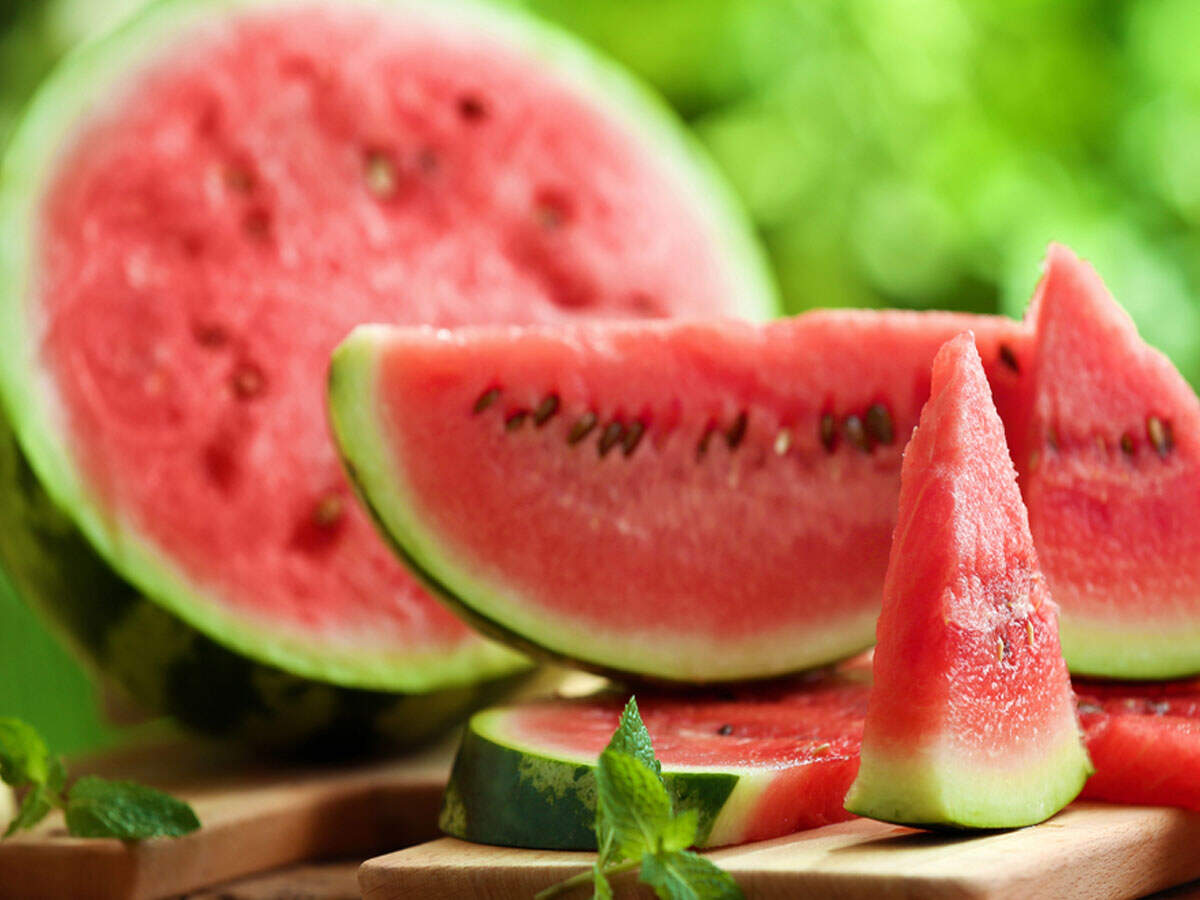
The watermelon that is most commonly eaten is the Citrullus Lanatus, but there are six other wild species. Researchers have begun to look at wild watermelon genes that help with resistance to disease, pests, and other hardships. These genes intermingled with the common watermelon could help farmers greatly, especially with climate change becoming such a prevalent issue. As people have made the watermelon sweeter and sweeter(by breeding), it has also made them more susceptible to diseases. This makes the watermelon more and more difficult to grow, especially without pesticides.

In my opinion, I think genetically modifying foods can be extremely beneficial. For some reason, many people believe just because something is genetically modified it is harmful. Modifying genes to be more resistant to pesticides means using less pesticides on the foods we eat, which is more beneficial to us. Many foods have been genetically modified, but that does not take away the nutrients they have. I think it would be very useful to modify the watermelon in this way.Image result for watermelon

https://www.sciencedaily.com/releases/2019/11/191101124616.htm

Related Article:
https://phys.org/news/2019-11-harvesting-genes-watermelons.html

Wednesday, April 10, 2019

Cotton Candy Grapes

Dr. David Cain, who is a fruit breeder and former scientist at the UD Department of Agriculture, has a new invention called the Cotton Candy Grape. His main goal is to breed a grape that tastes just like cotton candy, this way he can easily capture consumers. He wants to win over the stomachs and wallets of grocery shoppers.


In order to get the grapes sweeter, cross breeding techniques are being used. Specifically, in the case of these grapes, the pollen from a male’s flower is extracted and then brushed onto the female’s clusters of the target plan with precaution. Later, the scientists wait until they are able to replant. The process is then repeated multiple times.


Even though certain grapes have been bred to have a higher levels of sugar in them, neurologists are not very concerned or bothered about this experiment. I was very interested while reading this article, I hope that one day these grapes are widely known because it would be like having a candy bar but in reality one is having a healthy snack. 

Monday, February 16, 2015

An Apple a Day Gets Approved Any Day

The government has approved the commercial planting of genetically engineered apples that don't brown when sliced or bruised. The developer Okanagan Specialty Fruits, says the non-browning feature will make apples more appealing to consumers and food service companies. However executives in the apple industry worry the biotech apples will face controversy from some consumers along with them loosing exports in countries that do not like genetically modified foods. The Department of Agriculture has considered these issues, however under the law, approval is based on whether a genetically modified crop poses a treat to other plants. The apples do not pose any risk. The apples are genetically engineered to suppress the production of an enzyme that causes browning when the cells in the apple are injured, for example by slicing. But over time they will still rot a turn brown. 

In my opinion, although the browning of apples is not appealing to me in anyway, I'm not a fan of it being genetically altered to prevent it. There are other ways to prevent the browning for a bit more time, for instance, Lemon juice, which is natural. That's just my opinion though, I'm not going to be the guinea pig for an apple. 

Monday, November 3, 2014

Scientists Figure Out How to Genetically Yield More Crops

In the article I read, researchers from Cold Spring Harbor Laboratory found that they can change a tomatoes genes to produce more growth. They have been working on this experiment for many years and finally figured out the key. Researchers started off knowing that the shoots and leaves were important factors regarding the vegetative growth and flower production. In flowering pants these two things (vegetative growth and flower production) are controlled by florigen and anti-florigen, which counteracts the florigen. The researchers found different gene mutations that affect the balance between florigen and anti-florigen to their specific needs. They tested many different times and found the genetic toolkit that yielded the most, and biggest fruit. They also tested in different backgrounds, years and environments to make sure this information was beneficial everywhere.  They even found out what to do to make different fruiting vegetables beneficial for the specific needs of the farmer. According to researchers this can be done for a number of different fruiting plants. Also, this is an important study because 1 in 8 people alive today are starving. Hopefully, this can be a start to end world hunger.
 
This is amazing to me because I think that world hunger is a serious problem that is very overlooked and any bit of science that can help is important. I have also always been amazed artificial selection because I think it is so interesting how you can do change a plant or animal to meet whatever specific needs you are looking for. I know this discovery will not end world hunger but I hope it can help with some of the problem.