Showing posts with label harvest. Show all posts

Friday, November 1, 2019

Improving the Watermelon by Harvesting Genes

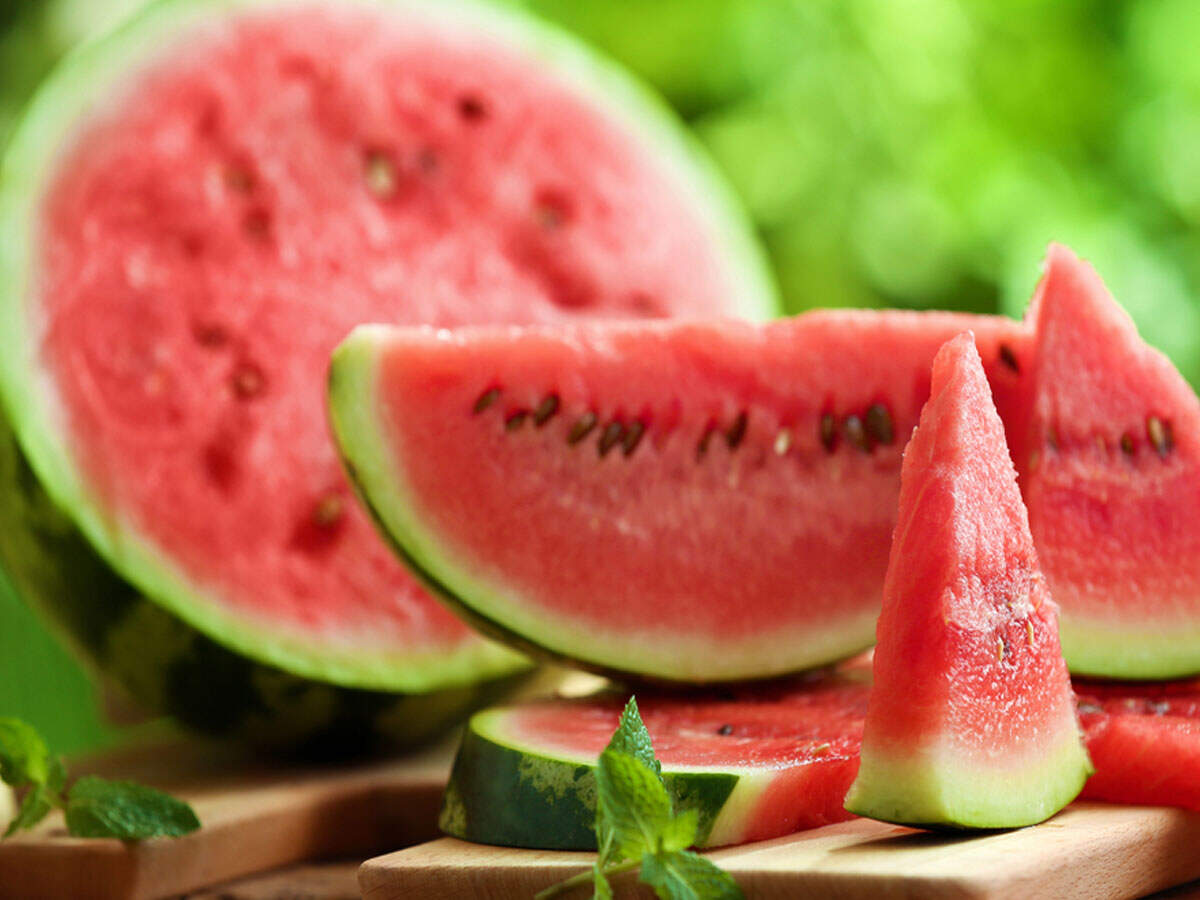
The watermelon that is most commonly eaten is the Citrullus Lanatus, but there are six other wild species. Researchers have begun to look at wild watermelon genes that help with resistance to disease, pests, and other hardships. These genes intermingled with the common watermelon could help farmers greatly, especially with climate change becoming such a prevalent issue. As people have made the watermelon sweeter and sweeter(by breeding), it has also made them more susceptible to diseases. This makes the watermelon more and more difficult to grow, especially without pesticides.

In my opinion, I think genetically modifying foods can be extremely beneficial. For some reason, many people believe just because something is genetically modified it is harmful. Modifying genes to be more resistant to pesticides means using less pesticides on the foods we eat, which is more beneficial to us. Many foods have been genetically modified, but that does not take away the nutrients they have. I think it would be very useful to modify the watermelon in this way.Image result for watermelon

https://www.sciencedaily.com/releases/2019/11/191101124616.htm

Related Article:
https://phys.org/news/2019-11-harvesting-genes-watermelons.html

Tuesday, March 19, 2019

Scientists crack genome of super seaweed, ito-mozuku


In an article from Science Daily, researchers point out that the Japanese brown seaweed, ito-mozuku can provide health benefits based on its genome. The study revealed the first draft genome of ito-mozuku and another local species of edible seaweed called Oki-nawa mozuku. Scientists from Okinawa Institute of Science and Technology found that both of the seaweed species could be useful for farming as they contain high concentration of fucoidan, a substance that can prevent the formation of cancerous tumors and blood clots. The research studied the genes of the two mozuku seaweed species and found out that they both have a fused gene that leads their rich production of fucoidan. The two genes code for two separate enzymes for producing proteins that advance chemical reactions and helps to produce fucoidan. After the fusion of the genes, they can be expressed and can make a single enzyme that can carry out the two functions efficiently.

The research plans to extend their study for an additional pair of fused genes in ito-mozuku that is not found in Oki-nawa mozuku. The team hypothesize that the expressed gene can increase the number of sulfate groups being transferred to fucoidan that has health benefits. If this study gets approved, I think it could help farmers harvest crops that would be beneficial for both animals and safer for the environment.