Showing posts with label lithium. Show all posts

Thursday, April 14, 2016

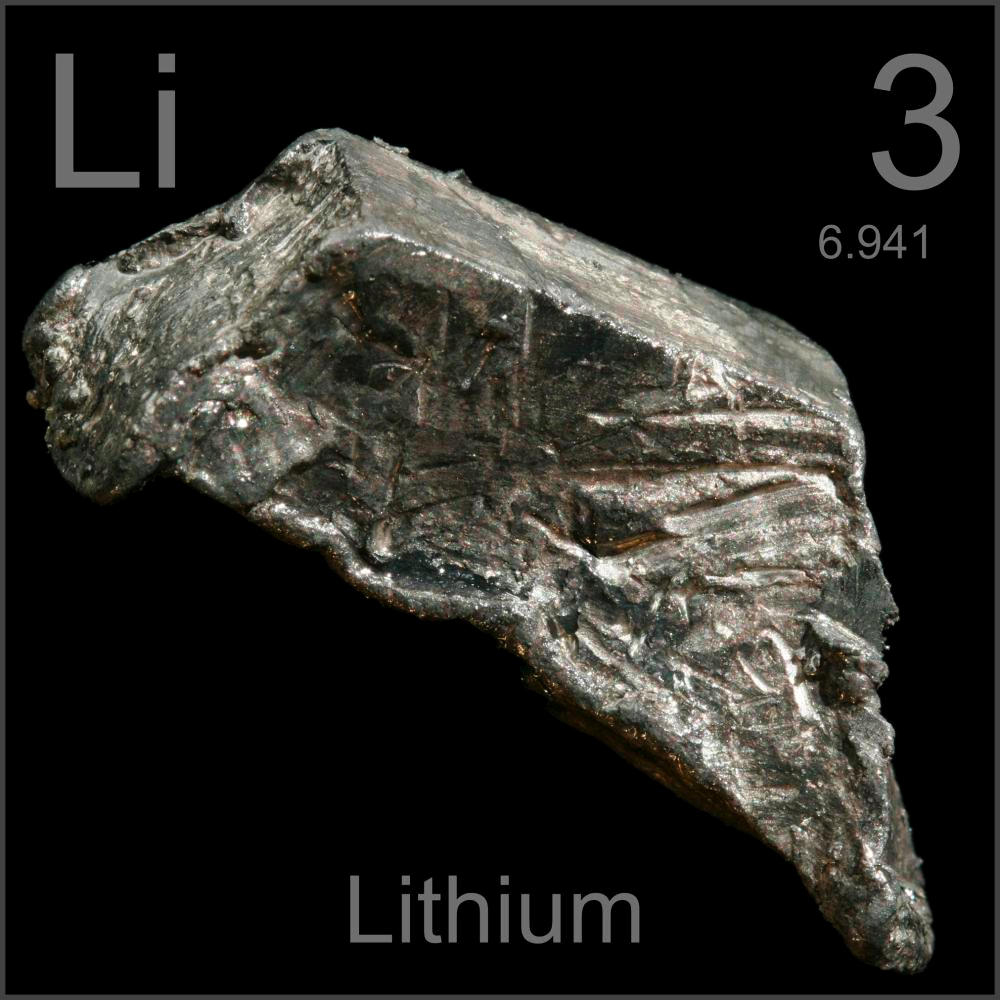
Lithium brings anti-aging drugs a step closer
Lithium brings anti-aging drugs a step closer


researchers have found that lithium has the ability to be used as an anti-aging drug, in addition to being used as anti-depressing agent. flies were used as test subjects for this expresemnt, and it showed that flies with were given doses of lithium had an approximation of 15% life span addition. this mean that flies that were given the solution had a longer life span. the lithium effects were due to its ability to block glycogen synthase kinase-3 (GSK-3), a molecule that was found to have a controlling hand on development of age-related diseases. in addition "researchers found that, at the same time as blocking GSK-3, lithium promotes activity of a molecule called nuclear factor (erythroid-derived 2)-like 2 (NRF-2), which is involved in protecting cells against oxidative stress - a key player in the aging process." (whiteman, 2016)

"To improve our quality and length of life we must delay the onset of age-related diseases by extending the healthiest period of our lives. Identifying a drug target for aging is a crucial step in achieving this and by targeting GSK-3, we could discover new ways of controlling the aging process in mammals, including humans."(Castillo-Quan)

Researchers are planning to target more complex animals to observe the effect it could have on them.


Opinion: 
fruit flies proved to be a model organism again. "Thank you Morgan". its a major advancement to push our life span even further, starting at a maximum age 30 at one point in our evolution, now to 80, and with this experiment showing promises of a potential extension to our life span by tackling age-related diseases.


References 

Whiteman, H. (2016, April 10). Lithium brings anti-aging drugs a step closer. Retrieved from Medical New Today: http://www.medicalnewstoday.com/articles/308830.php


Wednesday, April 13, 2016

Lithium Lengthens Drosophila melanogaster Lifespan by 16%

A scientific study published in Cell Reports just a few days ago shows that when 160 fruit flies are administered lithium in doses ranging from 1-25 mM, their lifespans lengthen significantly, they demonstrate a higher level of stress-resistance and detoxification, and a lower level of diet-induced hypertriglyceredemia (which can lead to obesity and sedentary habits).


[Drosophila melanogaster, a model genetic organism. Credit: Wiedemann Illustrations.]


Before going into more in-depth parts of the study, you might be wondering why this study was done on fruit flies. For a long time, fruit flies have been used in various genetic experiments because they are one of the most popular 'model organisms' for many reasons: They're inexpensive to obtain. They reproduce very quickly, bearing a large number of offspring. While they're much smaller than us, their genetic system is similar to a human's. They have easily observable versions of (phenotypic) traits, like sex or eye color. They're easy to manipulate, and compared to other animals, there are minimal ethical concerns surrounding experimenting on fruit flies.

While lithium is known to have positive effects on health and lifespan, the flies weren't just administered this drug. A protein kinase, glycogen synthase kinase-3 (GSK-3) was inhibited, while erythroid 2-related factor (NRF-2) (a transcription factor nuclear factor) was activated. The lithium was administered through food. Each element used in this experiment, with varying levels, results in interesting findings.

When scientists combined high NRF-2 levels with genetic loss of a certain protein (Keap1), the flies expressed increased levels of stress resistance. When low levels of NRF-2 were used, flies expressed a longer lifespan. Lithium in low doses (1-25 mM) also increased their lifespan, but higher doses of 50-100 mM resulted in a shortened lifespan. As the graphs below show, extended lifespan had no discrimination to the flies' sex or genes:


[Various graphs depicting lithium-regulated longevity and metabolism in Drosophila. Credit: Castillo-Quan et al. 2016]


This is exciting news for us. In their paper, the authors discuss positive effects this has in the medical field:

"The discovery of GSK-3 as a therapeutic target for aging will likely lead to more effective treatments that can modulate mammalian aging and further improve health in later life...The effects of lithium on Drosophila aging have previously been inconclusive, with demonstration of both positive and negative effects on survival...These findings demonstrate an alternative genetic and pharmacological target for the promotion of longevity and stress resistance, and emphasize the potential of pharmacological inhibitors of GSK-3 as viable anti-aging treatments." (Castillo-Quan et al. 2016)

I am very interested in Drosophila genetics, and this was a great experiment that may lead to a new drug for humans that promotes longer lifespans, lower triglyceride levels, a higher resistance to stress, or all three! While drugs like metformin and rapamycin already promote health benefits and a longer lifespan, this experiment may incite so-called 'drug re-purposing' that would give us an even better drug that does the same thing. Hopefully in the future, similar experiments to this one are done, maybe increasing the sample size or administering different drugs/introducing alternative factors to increase the positive effects shown in this experiment.


Original Article: https://www.sciencedaily.com/releases/2016/04/160407132321.htm

Thursday, November 21, 2013

Better Batteries Through Biology? Modified Viruses Boost Battery Performance


Researchers at MIT have found that using genetically altered viruses can increase the performance of lithium-air batteries. The main function facilitating this is  a mixture of water and minerals and placing the virus inside. The virus then carries out several reactions with whats in the solution to produce a wire as small as a red blood cell. The upside to these wires as opposed to normally produced nano wires is that the surface of the wire is not smooth, it is spiky and rough. This greatly increases the surface area which will increase the conductivity.


http://www.sciencedaily.com/releases/2013/11/131113125831.htm
http://www.youtube.com/watch?v=pUVrUIV4xu4