Showing posts with label RNA sequencing. Show all posts

Thursday, November 21, 2024

Jumping Genes: A New Hope for Early Gastric Cancer Detection


Gastric cancer remains one of the deadliest forms of cancer, with a survival rate of only 10% for advanced-stage diagnoses. This is largely because most cases are identified only in later stages when treatment options are limited. In contrast, early detection offers a promising 90% survival rate, making early diagnostic tools critical in the fight against this disease. 


A groundbreaking discovery in cancer research focuses on transposons, also known as “jumping genes.” These DNA sequences, which can move to different locations within the genome, were once dismissed as “junk DNA.” However, American scientist and cytogeneticist Barbara McClintock demonstrated that transposons play an essential role in gene expression and regulation. Today, we know that transposons are not only integral to normal cellular processes but also provide valuable insights into disease states, including cancer.   


Bioinformatics scientist Braulio Valdebenito-Maturana used advanced techniques such as single-cell RNA sequencing and spatially resolved RNA sequencing to investigate transposon activation in gastric cancer. Her work revealed that 111 transposons are consistently activated in tumor areas and surrounding tissues of gastric cancer patients. Most importantly, this activation begins early in the disease, suggesting that transposons could serve as biomarkers for early detection. 


This research not only sheds light on the molecular mechanisms underlying gastric cancer but also highlights the potential of transposon-based diagnostics for other cancers. If these findings are validated in larger studies, transposons
could revolutionize cancer screening, offering hope for improved survival rates by enabling earlier intervention. 


References: 

https://medicalxpress.com/news/2024-11-genes-early-gastric-cancer.html 

https://www.nature.com/scitable/topicpage/transposons-the-jumping-genes-518/ 

Monday, November 6, 2023

A New Hope in Restoring Extinct Species


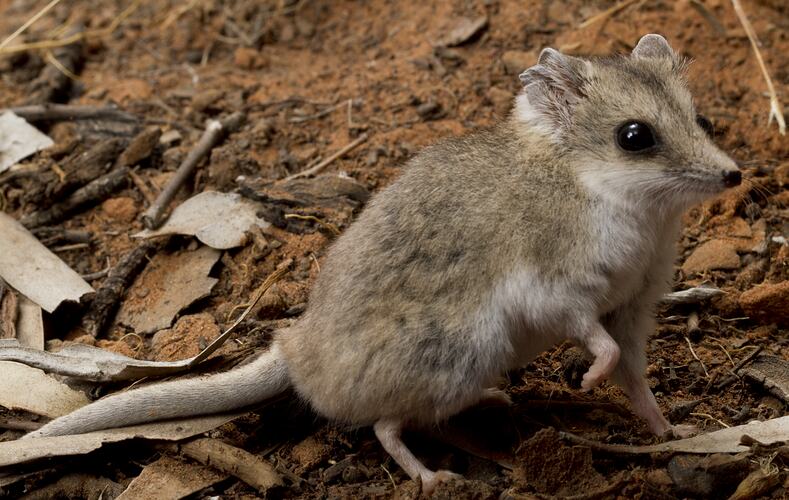
Researchers have successfully extracted and decoded RNA from an extinct animal for the first time. Past researchers have mapped out the thylacine genetic blueprint, in addition to the genomes of other extinct animals; however, these past researches were all focused on DNA, but only RNA can reveal how an organism’s cells actually functioned. The past research mostly focused on DNA because RNA is a relatively fragile molecule, but it is responsible for turning DNA’s genetic instructions into cellular functions and thus must be used to reveal a cell's true biology. The specimen they retrieved the RNA from was a roughly 130 year old Tasmanian tiger, often referred to as a thylacine. Skin and muscle were taken from the desiccated thylacine, then ground into a powder. Chemicals were  then added to isolate nucleotides, the building blocks of RNA. A computer algorithm compared the nucleotide sequences, with a database containing the genomes of thousands of organisms across numerous kingdoms. The results from this research provide new insights on what genes control certain attributes of the organism, for instance, researchers pinpointed RNA molecules that coded cells to make slow-twitch muscle fiber, which helps with endurance. Researchers also found over 250 thylacine-specific short RNA molecules that have sequences that regulate cell functioning. Some scientists  are hopeful that the decoded RNA could aid efforts in bringing this carnivorous marsupial back from extinction. The plan for bringing this species back would involve modifying the genes of one of the thylacine’s closest living relatives, the fat-tailed dunnart. 

I find this research interesting because it can lead to the revival of an extinct species, but after looking at one of the closest living relatives to a carnivore with a mouth that can open over 80 degrees I have my doubts. I find the prospect of learning how extinct animals' genes work interesting, but I feel like this might not be the animal to start with. A species that would be more realistic to bring back would be time better spent in my opinion, but the research had to start somewhere and I suppose that the Tasmanian tiger is just as extinct as any other species that's been wiped out. The thylacine specimen that had the samples taken from it was improperly stored for long term storage. It was just thrown in a cabinet in a bag for over 100 years, so if nothing else this makes me more hopeful that there will be specimens that exist that can lead to the recreation of extinct species.


https://www.sciencenews.org/article/first-time-decode-rna-extinct-animal-tasmanian

https://www.nature.com/articles/s41559-017-0417-y%20

http://m.genome.cshlp.org/content/early/2023/07/18/gr.277663.123.abstract

Wednesday, August 4, 2021

Scientists are Able to Better Modify Genes and Gene Expression Using Genetically Modified CRISPR RNA


        Researchers at the New York Genome Center were able to create chemically modified guide RNA's From the CRISPR family that can help alter RNA in human cells. CRISPR stands for "clustered, regularly interspaced short palindromic repeats", are a family of DNA repeats found in the prokaryotic genome. The process used at the New York Genome Center consisted of genetically modifying guide RNA's from the CRISPR family and making them specifically target cell surface receptors in human T-cells. Their particular experiment contained modified guide RNA's from the SARS-COV2 virus, these guides were called CRISPR Cas-13. Scientists and drug developers claim that this technique enhances the ability to trace, edit, and remove RNA in human cells. There is current experimentation with this technique that is attempting at lessening the effects of Covid on those who become infected. To do this scientists are trying to knockdown the universal RNA leader sequence of Covid-19. This leader sequence is released within the body and is responsible for replicating and infecting other cells inside the body. This new technique of RNA modification may be able to remove the ability of the RNA leader sequence from replicating within our bodies without modifying the underlying human DNA genome.
         The ability of this advanced RNA modification to not alter the underlying human DNA has large potential within the medical field as there will be less negative side effects to patients who undergo this treatment. Once this technique is perfected, new viruses may be able to be cured and contained within a matter of weeks. Scientists have many different CRISPR sequences to experiment with. Using CRISPR DNA to alter human RNA has already proven to be a huge advancement in virus and disease control with many future possibilities. 

Article Link: https://www.sciencedaily.com/releases/2021/08/210802140153.htm

Related Link: https://www.livescience.com/58790-crispr-explained.html

Sunday, November 15, 2020

Diet affects gene expressions in dogs


This article, based on a study from the University of Helinski, discovered that certain skin gene expressions were based on diet in dogs. The study had been conducted on a group of 4 dogs that were normal and 4 dogs that were prone or had atopic dermatitis. Atopic dermatitis is a skin disease where an allergic reaction occurs when an animal inhales airborne substances or ingest a substance which they are sensitive. The reaction can cause the animal to either scratch, rub, lick, or etc.. and cause an inflammation or sore presence in the affected areas. The research had shown that the immune defense of dogs whose diet is based on raw food is activated, and reduced the risk of becoming atopic. The expression of these genes also boosted the formation of new blood vessels. From the test group, 8 dogs were RNA sequenced to determine the affects and overall gene expression in determining that there are  deficiencies in the lipid metabolism and keratinocyte proliferation of atopic dogs. The interesting part with regards to the entire study is when in perspective to humans, specifically humans who suffer from atopic dermatitis (such as myself). While there are various treatments, it takes back into perspective with regards to the study is if there is a gene expression in humans based on diet with regards to gene expression. While there are many side affects of the current diets humans do consume on a daily basis, the question arises whether or not there is something in the entirety of the diet with regards to those who suffer from atopic dermatitis that is suppressing gene expression?

https://www.sciencedaily.com/releases/2020/11/201113103723.htm

https://www.frontiersin.org/articles/10.3389/fvets.2020.552251/full

Tuesday, December 13, 2016

Study in Cows Shows why Cloning Mammals Fails


Dolly was able to be cloned successfully because the technique of "somatic cell transfer" was used. However, cloning cattle is becoming difficult and the success remains low (fewer than 10% survive to birth). The main reason the cattle don't survive is embryonic death. Cloning cattle is important because it can be used to study mammalian development. 

Harris Lewin, professor in the UC Davis Department of Evolution and Ecology, conducted a study using RNA sequencing to understand gene expression in cloned cows during implantation to discover why there is a high rate of failed pregnancy for cloned cows. The study combined the French's expertise in cloning and reproductive biology with the U.S.'s expertise in functional genomics. This collaboration lead to understanding the mechanisms that account for embryonic losses at implantation. The study also provided insight on how implantation events drive the progression of pregnancy and shape the phenotypes of the cattle after they are born. 

The researchers studied the tissue of cloned cow embryos at 18 and 34 days of development and the endometrial lining of the cows pregnant with the clones. They also studied cows that conceived by artificial insemination with non-cloned cows. The study resulted in the finding of multiple genes that are expressed abnormally. This could explain why there is a high rate of death for cloned embryos. The researchers found abnormalities in the expression of more than 5,000 genes on day 18. Results also suggest that that the surviving clones were able to successful implant in the uterus and form a placenta, indicating that the losses of clones is due to problems of critical development genes in the extra embryonic tissue. The study also revealed other factors that could be leading to the death of the clones including problems with hormone signaling between the pregnant cow and the developing embryo.

I found this article to be fascinating. I thought if scientists were able to clone a sheep it would only be a short jump to cloning cows too. I didn't think that cloning cows in the same way as Dolly would be so difficult. This article makes me ask the question if any animals can be cloned the same way or if each animal has to be cloned separately. This study could possibly provide further insight to cloning other mammals. 


Sunday, December 11, 2016

'Cow Gene' Explains Failure of Cloned Genes


A recent study conducted at the University of California showed a cow gene that demonstrated why most clones fail. Cloning mammals has proven to be a challenge; however, it was just twenty years ago that Dolly the sheep was successfully cloned. Using the technique of somatic cell nuclear transfer was originally how Dolly was cloned, or rather when a nucleus from an adult cell is transferred into unfertilized egg that has had its nucleus removed, and then begins cell growth by an electric shock. Recipient mothers then carry the transferred embryos until the clones are born.

The process of cloning cattle can be used to study development in mammals, and is important technology for agriculture; however, the success rate remains very low - less than ten percent of cloned animals survive until birth. Losses of the cloned animals may be due to a variety of reasons: failure during implantation of the embryo, embryonic death in general, or the possible development of a defective placenta. However, with recent developments into why there is so much reoccurring failure, it may be possible to get to the root of the issue. Scientists used RNA sequencing in order to look at gene expression in cows that had been cloned during implantation and attempt to understand the molecular mechanisms that lead to such a high rate of failure during pregnancy.


In this study, the researchers studied tissue from cloned cow embryos--all derived from the same cell line--at 18 and 34 days of development, as well as the corresponding endometrial lining of the pregnant cows. They also used cows that were not cloned, conceived using the process of artificial insemination. By use of RNA sequencing, multiple genes were found to be expressed abnormally, that could potentially lead to the high mortality rate of cloned embryos, as well as their failure to be implanted in the uterus and to develop a normal placenta. Researchers were able to find anomalies in expression of more than five thousand genes looking at the extra embryonic tissue of those of the cloned cows by day 18. Hopefully researchers will be able to use this find to uncover more developmental issues of the cloned embryo, and eventually lead to a higher survival rate.

As much as I find cloning of genes interesting, I do wonder about the possible risk factors involved, besides those listed above. It makes me very curious to see the future of these processes, and what could potentially come out of then. I also do think that cloning of genes as a whole could be a very useful practice, especially with genes that may be correlated to positive human growth and health. I'm sure that there is a lot left to learn about the future of cloning, and I am excited to see where it goes.