Showing posts with label HITI. Show all posts

Thursday, April 13, 2017

The Holy Grail of DNA, HITI

Adult body cells in tissues cannot divide. With this, DNA does not change or develop especially DNA found in the heart, brain and liver. Scientists have discovered a way to enter the cell and modify the DNA to prevent previously incurable diseases. The technique, known as HITI, was based on the famous CRISPR gene-editing technique. With this, they can insert DNA at a target location into the non-dividing cells that make up the majority of adult organs and tissues.

 The researchers used the technique on rats born with a genetic disease called retinitis pigmentosa, which affects about one in 4,000 people in the UK. Researchers are now using this mechanism to correct gene defects. Clinical trials are a long way off because the CRISPR proteins may cut DNA at other sites that may have untoward effects.'

https://www.thesun.co.uk/living/2205506/what-is-dna-editing-and-how-could-fixing-broken-genes-make-us-live-longer/

Monday, November 21, 2016

Breakthrough Genome Editing Technique for Nondividing Cells

A new genome editing technique called HITI has been developed. It combines the CRISPR-Cas9 genome editing tool with the ability to now target nondividing cells. The CRISPR method targets dividing cells, such as those found in the skin or gut. Until now, however, researchers struggled to use CRISPR on nondividing cells, which accounts for the majority of adult organs and tissues. Nondividing cells are found in the eye, brain, pancreas, heart, liver and numerous other organs. According to the study published in the journal Nature, this new method is 10 times more efficient on dividing cells and can modify nondividing cells.
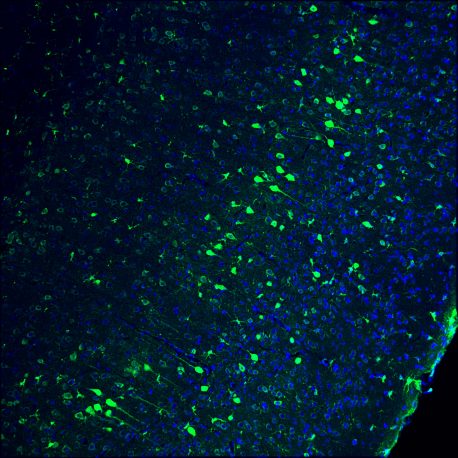
“The new Salk technology is ten times more efficient than other methods at incorporating new DNA into cultures of dividing cells, making it a promising tool for both research and medicine. But, more importantly, the Salk technique represents the first time scientists have managed to insert a new gene into a precise DNA location in adult cells that no longer divide, such as those of the eye, brain, pancreas or heart, offering new possibilities for therapeutic applications in these cells.”-Salk News release.
In order to insert genes into nondividing cells, the researchers from Salk Institute targeted a natural repair pathway in cells called NHEJ (non-homologous end-joining) that re-joins strands of broken DNA and paired the process with existing gene-editing technology to swap out a section of DNA in the eyes of rats affected by retinitis pigmentosa. In humans, the condition is also a heritable disease that causes progressive retinal degeneration, and in those with retinitis pigmentosa, one of the genes that is damaged is called Mertk. The HITI gene-editing technique replaced the defunct Mertk gene with a functional copy, and after five weeks, the rats’ vision improved and some of their retinal cells were healed too.

If you want to learn more about the science behind their new CRISPR genome editing technology, check out the Salk news release, or you can also watch this short three minute youtube video made by the Salk Institute about the study.

This new gene-editing technique is remarkable, considering it hasn't been done before. It’s likely this new gene-editing technique can provide new avenues of research for various conditions, including retinal, heart, and even neurological diseases. It can pave the way to revolutionary new treatments that can alter DNA of damaged essential organs for which cells seldom divide, such as heart and brain cells. HITI could possibly replace CRISPR and change the genomics game.  HITI has huge potential for various useful applications, and I'm sure we'll keep hearing more about it in the near future.

Sunday, November 20, 2016

A New Technique Allows Insertion of Genes in Non-dividing Cells

Until recently, the only method for modifying DNA was the CRISPR-Cas9 system. However, the new Salk technology is much more efficient than any other method because it allows the incorporation of DNA into non-dividing cells. The cells of the heart, brain, eye, and pancreas do not divide again and are locked in G0. In order for this to be accomplished a specific pathway called NHEJ was targeted by researchers. This pathway repairs routine breaks in DNA sequences by rejoining original strand ends. Researchers constructed a new complex called HITI, homology-independent targeted integration, used to insert genes into the cells. The complex is made up of different nucleic acids. Then, they used a virus to implant the HITI inside the cell to transfer the genetic information to neurons that were derived from embryonic stem cells from humans.  Scientists then completed a genetic modification in adult mice and it was successful. After that, they tried to use the technique as a gene-replacement therapy method. The researchers decided to work with mice that were born blind. They successfully delivered the gene Mertk, one of the genes that, when damaged in humans, causes vision loss. The gene was inserted into the genome of the mice at just three weeks old and by the time they were eight weeks old the mice showed response to light. Furthermore, testing was continued and healing was observed in the retinal cells of the mice. I feel that many people will benefit from this new gene-replacement therapy process. Individuals can be assisted by a gene when having a disability, such as severe eye loss. Also, one that suffers from serious head trauma can gain some of his or her brain cells back. Consequently, he or she will recover from a concussion quicker. This is only the beginning of the great things science can do to help people suffering from genetic damage. Gene therapy is going to revolutionize healthcare in the future.