Showing posts with label "Animal Behavior". Show all posts

Thursday, April 24, 2025

Blame it on the Genes: Why Labrador's are Always Hungry

     Labrador Retrievers are known for their love for food which causes them to be overweight. A study published on March 6th discovered why some labs are more likely to be overweight than others. The researchers found that genes play a huge role in why most labs are obese. In the past, researchers identified a gene called POMC, this gene makes some labs more likely to over eat, but its not that simple. Scientists studied 241 British Labs, looking at their DNA, body condition, behaviors with food, and how we could manage their weight/diet. There is another gene other than POMC that is liked to obesity in labs called the DENND1B. The labs that had the DENND1B gene contained around 8% more of body fat compared to the labs lacking that gene. This gene not only plays a role in dog obesity but humans as well, impacting how the brain responds to food. Researchers used the information they gathered from the study and created the "risk score",  which helped predict how much more likely a lab is to become overweight. The dogs that were always begging for food, getting into human food, and or just obsessing over food were the dogs with "obesity-prone" genes. There are ways to help the dogs that struggle with their weight, such as strict feeding schedules and not giving them table food. You don't need to pay a bunch of money to genetically test your dog for these genes- just paying attention to their behaviors with food can tell you a lot. 
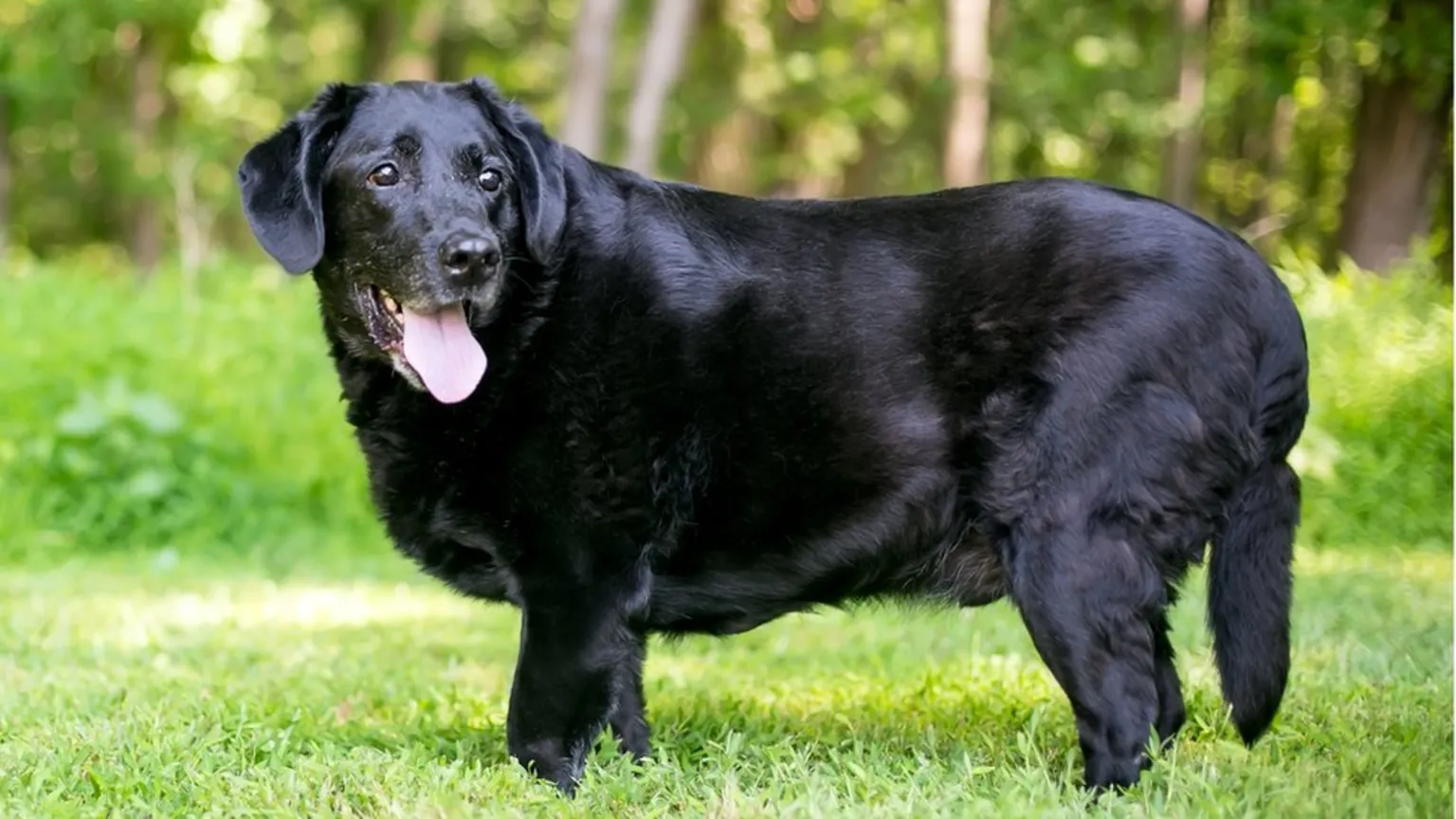

    Working at a vet hospital, I really do see more overweight labs than any other breed. Not only are they beggars but they're notorious for eating foreign objects. It's really interesting to see how genetics gives us an explanation for why so many labs are relentless when it comes to food. I think it's important for everyone, not just people who work in the veterinary field to know there is gene like DEEND1B making labs biologically more food driven. It helps us be more empathetic towards owners that are truly trying to put their dogs on diets and stick to a feeding schedule. There are resources that can help guide owners when it comes to putting their dog on a diet to better maintain a healthy lifestyle for them. 

Friday, November 29, 2024

Unveiling the Ancient Roots of Ape Culture


A study by the University of Zurich has discovered new information on the evolution of chimpanzee culture and behavior. The discovery suggests that some advanced behaviors exhibited by chimpanzees may have been passed down throughout different generations. Published in Science, this research took a different approach as it was multidisciplinary, meaning it was conducted by a team of specialists who are masters at specific topics. The study involved primatologists, physicists, and geneticists from various European institutions. The study focused on tracing the genetic links between chimpanzee populations from thousands of years to discover crucial information about chimpanzees' cultural history.

The research team collected information on genetic markers and foraging behaviors from 35 different African study sites. The scientist then categorized the observed behaviors into three categories: those who showed behaviors of no tools while foraging, those who used simple tools during foraging, and the most complex behavior of those using toolsets to assist in foraging. A discovery was made that the most complex chimpanzee technology uses toolsets to help with foraging for food and was linked between separate populations, all being very distant from one another. These findings suggest that populations of chimpanzees barely create this rare technique of using toolsets; this technique would be even less likely for the chimpanzees to reinvent themselves, making these behaviors of using toolsets more likely to be transmitted between different populations of Chimpanzee.

This study provides evidence that chimpanzees were able to quickly grow a culture around them in the early stages of development. The research also reiterates the importance of female migrations to avoid inbreeding. The migrating female chimpanzees spread around this new culture, developing advanced behaviors like using complete toolsets. These findings challenge the already well-known hypothesis that humans can create a more sophisticated culture over generations. More research should be done to observe if other mammal populations have developed more advanced cultures than similar populations.

Links

https://www.sciencedaily.com/releases/2024/11/241127135912.htm

https://www.iflscience.com/groundbreaking-genetic-time-machine-reveals-evidence-of-cumulative-culture-in-chimpanzees-76918

Sunday, September 9, 2018

Using fox genes to predict the genetics of behavior


CATHLEEN O'GRADY
         Almost 60 years ago in 1969 a experiment began in Siberia by Dmitry Belyaev to explore the process of domestication in foxes. Some foxes were calmer than others when being introduced to humans so he bred foxes that were calm with each other and after a few generations, many differences were revealed. Besides being calmer around humans, they also were more baby-faced, with floppy ears, patchy coloring, curlier tails and even dog like changes such as a bark. This group and another bred with aggression then had their genomes explored looking for a connection between the genomes and domestication. These conditions are created by humans as opposed to the wild so they look for the signature of artificial selection instead of natural selection. 103 regions of fox genomes were found to be altered which points to one gene in particular. This gene has also been related to behavior in rats and bipolar disorder in humans. This research shows us how easily changes can be made in a short amount of time. This also gives us many other routes tot take to continue this research. 
         This is a very interesting active and research that is decades in the making. This could also lead to our better understanding of the behavior in animals which would make it easier to domesticate and prevent dangerous situations. This eventually could help us understand the behavior of humans with their genomes which could lead to breakthroughs in human behavior disorders. 

Article: https://arstechnica.com/science/2018/08/friendly-fox-genomes-help-us-understand-the-genetics-of-behavior/
Related Article: https://www.washingtonpost.com/news/animalia/wp/2018/08/06/a-soviet-era-experiment-to-tame-foxes-may-help-reveal-genes-behind-social-behavior/?noredirect=on&utm_term=.57cf1a86448e

Saturday, April 22, 2017

Animal Behavior: How to Build a Better Dad

The main question behind this study is how the genome is translated into variation in complex traits. Of these complex traits, the most interesting is social behavior and it will be examined to show differences between parental care in species of the Peromyscus genus. Sharing of parental behavior and social monogamy have been seen in this genus and it has been noted that these traits have evolved twice by comparing two different species of the mice which are the oldfield mice and the deer mice. The oldfield mice live in close, sandy habitats and both parents provide equal parental care to their children, This is compared to deer mice that have a very different mating system with much less parental care with the father being particularly pronounced. These mice are not so different, so they are still able to produce fertile offspring which makes them excellent candidates for genetic crossing. The scientists in this study focused on the area of the genome that controls nest-making. The hormone, vasopressin, which is involved in male social behavior appeared to have the most significant difference when comparing the deer and oldfield mice with the deer mice having more vasopressin. This is the beginning toward more exciting discoveries in neuroscience comparing effects the genome and environment have on expressed genes and why certain differences between species exist.
Animal Behavior 
Oldfield and Deer Mice