References
Showing posts with label blood sugar. Show all posts
Showing posts with label blood sugar. Show all posts
Friday, April 13, 2018
less body fat but higher blood pressure and pear shape
The University of Copenhagen conducted new research about people with the gene variation FGF21 (fibroblast growth factor 21). FGF21 hormone acts as insulin-sensitizing, meaning it improves the sensitivity of peripheral tissues to insulin, this helps diabetics with lowering their insulin needs. Through the reseach it has been found that FGF21 hormone is linked to less body fat, higher blood pressure, and a more pear shaped body. People with this gene variation consume on average more sugar (they have a higher craving for sweets). This comes as a shock to the researchers due to a lot of information about how sugar is the cause for more fat storage in the body. More sugar more body fat. however with this gene variation it is shown that they eat more sugar and have less body fat. This is still only a small portion of the larger picture of sugar and obesity/diabetes' said Professor Niels Grarup from the Novo Nordisk Foundation Center for Basic Metabolic Research. The FGF21 may help in lower body fat then others who do not have it but it also increases the change of higher blood pressure and more fat pockets in the waist (creating a pear shaped body). They hope that with this new knowledge it will be important for the creation of drugs. This also will help with later studies.

Monday, December 12, 2016
Insulin Injections are about to be a thing of the Past
Type 1 diabetes is an autoimmune disease that causes the
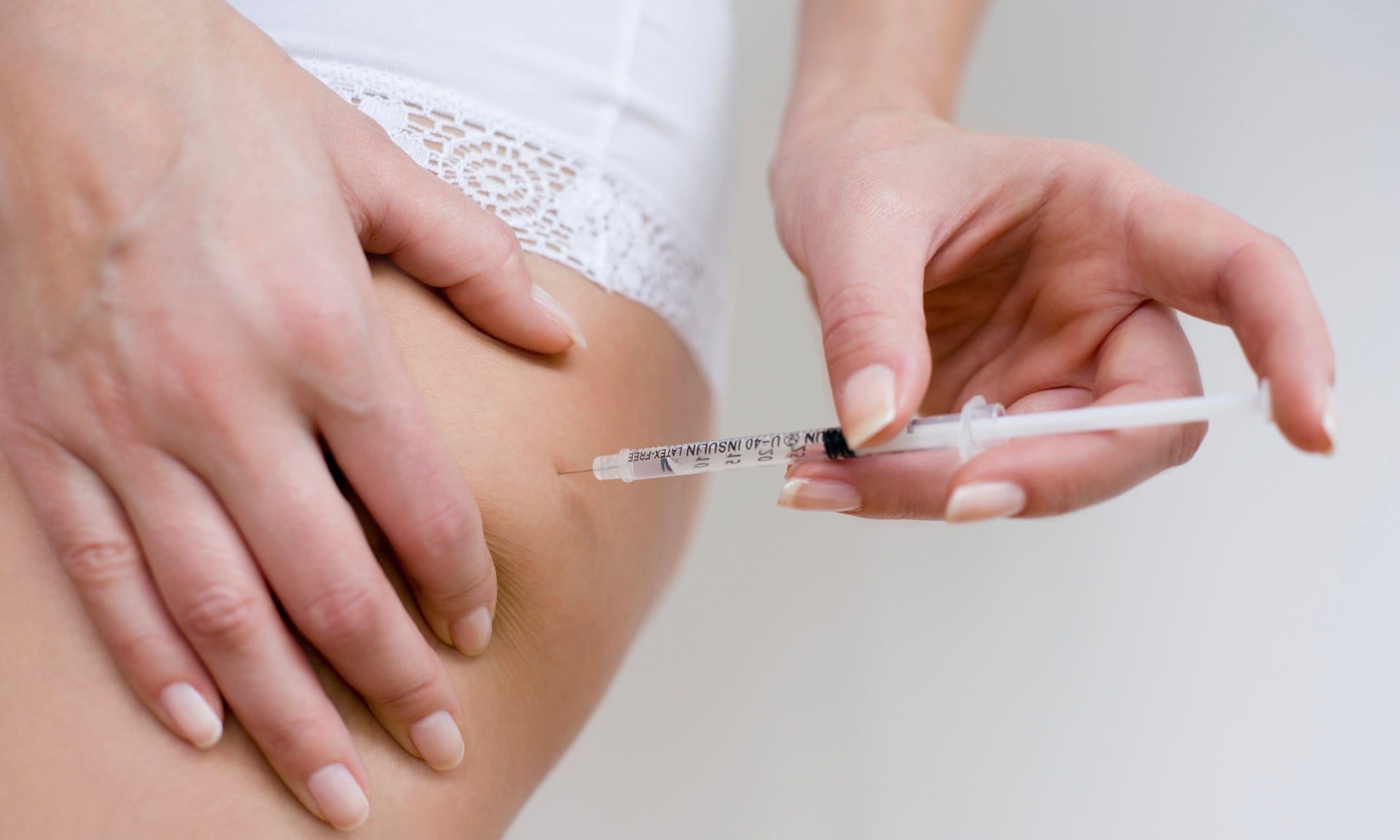
body to kill off all of its pancreatic beta cells. A new diabetes treatment can potentially eliminate the need to inject insulin, thanks to a cell-based treatment. Instead of insulin injections, a new diabetes treatment would include only having to get an implant. This implant would need to be replaced
only three times a year. In this new form of therapy, a capsule of genetically engineered cells would be implanted under the skin. This
capsule would release the needed amount of insulin just as an injection would.
In an experiment to test the safety, diabetic mice were
treated with these cells and ended up having normal blood sugar levels for
several weeks. Scientists are working hard to obtain a clinical trial license in order to test
this technology in patients. The treatment would be able to work with type 1and type 2 diabetes patients and scientists are hopeful to start testing in patients in little as 2 years. A lead
researcher at the ETH university in Basel, Martin Fussenegger, states, “By 2040,
every tenth human on the planet will suffer from some kind of diabetes”.
Fussenegger’s team re-engineered human kidney cells, or HEK cells to perform the
same function that the pancreas performs. It introduced two cells: one to make
them sensitive to glucose levels and another to instruct the cell to pump out
insulin when glucose levels exceeded a threshold. Overall, in the study, the
engineered HEK cells actually outperformed the normal pancreatic cells. The
ability of them to regulate blood sugar in mice worked very well. If this same
procedure can happen for humans, the cells would not need to be genetically
matched to the patient. The frozen capsules could be manufactured on an
industrial scale. This technique is said to be in the market within a decade.I think this would be an amazing advancement, considering that individuals would not need to inject insulin several times a day.
Wednesday, December 7, 2016
Carbohydrates Before Workouts Can Help Boost Imunity
Do you work out moderately or excessively? Studies have shown that working out moderately or excessively can effect your immune system and white blood cell count. During a workout, the amount of white blood cells increase while the amount of white blood cells drop rapidly after you're done working out. In the past, scientists thought that having strenuous workouts resulted in fewer white blood cells in-comparison to before you worked out. But new studies suggests that it depends on the type of workout. Moderate workouts, such as a jog, will protect one from upper respiratory illnesses. Harder workouts tend to increase the risk for upper respiratory illnesses. If you prefer harder workouts, scientists suggest eating carbohydrates. "Ingesting carbohydrates during vagarious exercise may help because carbohydrates maintain blood sugar levels. Having stable blood sugar levels reduces the body's stress response, which in turn, moderates any undesirable mobilization of immune cells." Washing your hands after working out will also help you stay healthy.

Sunday, April 15, 2012
Lowering blood sugar with a new hormone
Insulin is a hormone produced in the pancreas to regulate the amount of glucose in the blood. There is also another hormone that can do this as well, a newly found hormone. It essentially can the the same job as insulin can by sending the glucose out of the bloodstream and into muscle. This hormone comes from fat stem cells which could lead to a new treatment on lowering blood sugar and possibly improve metabolisms.

This new finding came from the University of Texas Southwestern Medical Center. What they did to come to these results was manipulate fat stem cells in mice. They found that the mice showed very low blood sugar levels because their muscles were taking glucose by twice the usual rate. This also led to the discovery of mice having lipodysteophy had a generally low blood pressure, which in most cases would have high blood sugar and possibly diabetes.
This new finding came from the University of Texas Southwestern Medical Center. What they did to come to these results was manipulate fat stem cells in mice. They found that the mice showed very low blood sugar levels because their muscles were taking glucose by twice the usual rate. This also led to the discovery of mice having lipodysteophy had a generally low blood pressure, which in most cases would have high blood sugar and possibly diabetes.
Subscribe to:
Posts (Atom)