Showing posts with label antibiotic resistant bacteria. Show all posts

Sunday, October 19, 2025

Increasing Anti-Microbial Resistance Poses Threat to Globe


    Articles in the NY Times "W.H.O. Warns of Sharp Increase in Drug-Resistant Infections" and "The Global Threat of Antibiotic Resistance" reports of the spread of dangerous antimicrobial-resistant infections, which have been increasing by nearly 15 percent each year. This includes infections such as UTI’s, gonorrhea, E. coli, and other pathogenic bacteria that kill millions annually.  It’s estimated that more than 39 million people will die from antimicrobial-resistant pathogens in the next 25 years. While the increase in antimicrobial resistance is inevitable, it is being accelerated by improper, or excessive use of antimicrobials. Nearly 140 countries have joined the Center for Global Development’s antimicrobial resistance surveillance system and 100 of which contributed data. 

                  This presents an incredibly difficult challenge, especially for doctors who want to treat their patients but recognize that improper use could lead to a much larger crisis. I believe it is the responsibility of the prescriber to emphasize the importance of taking an entire course of antimicrobials, even if the patient feels better before finishing. However, patients also share responsibility by ensuring they aren’t skipping their last doses because they feel better leaving the last, strongest, pathogenic bacteria to survive, mutate, and spread resistance. Perhaps there should be stronger guidelines are even laws to prescribing antibiotics, like making a patient sign a form stating they’ll take the antimicrobials for the full length of time unless otherwise stated by the doctor. Education on this subject could also slow the increase of anti-microbial resistant infections, like teaching genetic resistance in high school science classes. Either way improper use needs to stop, or common infections could become a death sentence.
Monday, April 9, 2018

Antibiotic resistant bacteria have special genes that can spread their resistance to other germs

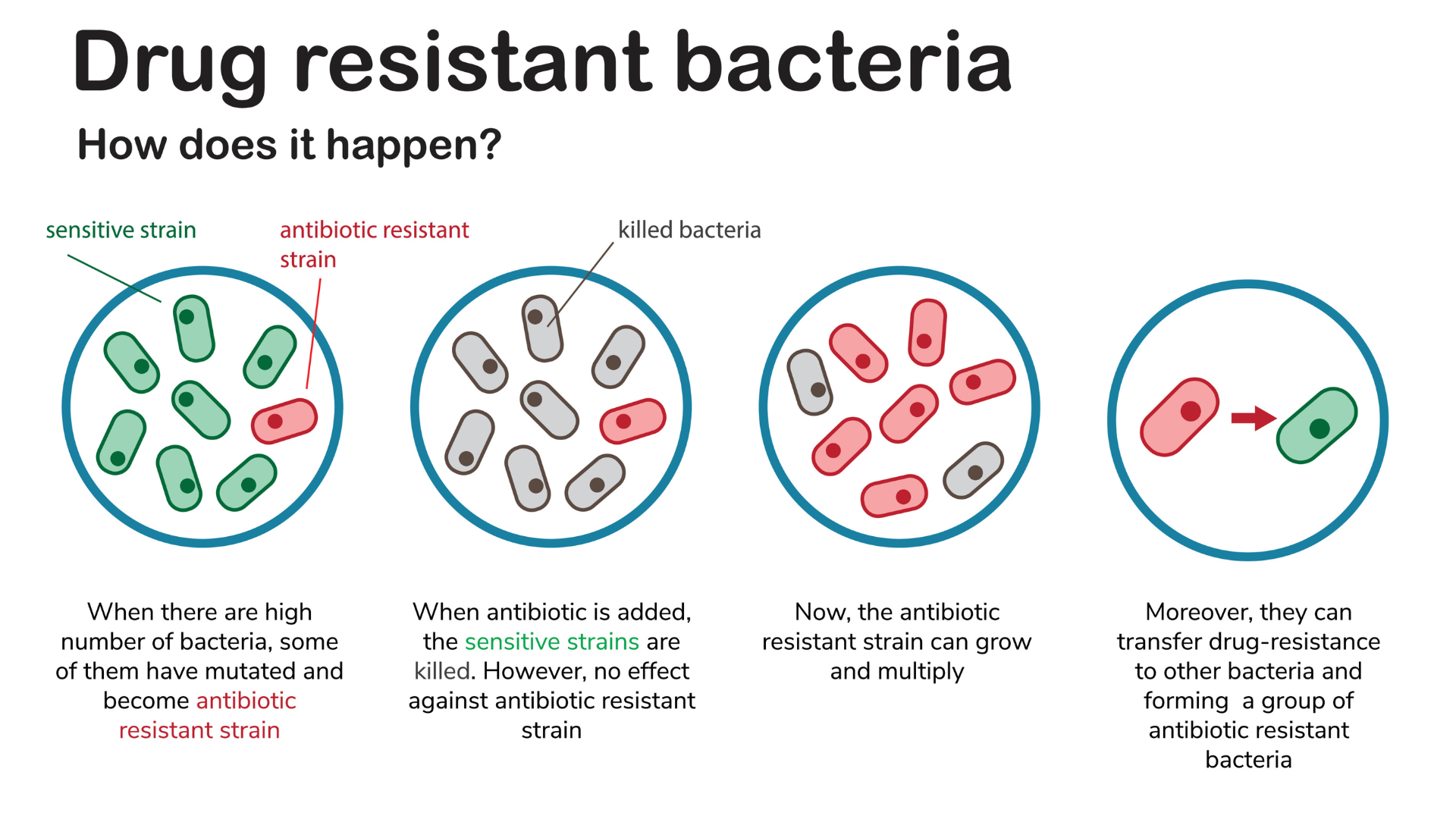
Antibiotic resistance bacteria infects nearly 2 million Americans each year and 23,000 die from these bacteria. Many bacteria are becoming antibiotic resistant because when we use antibiotics, it kills nearly all of the bacteria, but not all of it. The bacteria that survive after antibiotic treatment have the most fit genes and therefore carry these genes generation after generation forcing many strains of bacteria to evolve. Even scarier, many anti-biotic resistance bacteria can give their resistance to other bacteria just by being around each other. The misuse and overuse of antibiotics has lead us to change the genes in many bacteria strains to be resistant to antibiotics. 

Doctor Anne Schuchat, CDC Principal Deputy Director, reported that in the United States in 2017, there was 221 cases of Carbapenem-resistant Enterobacteriaceae. The CDC also reported that up to 50% of people infected with this bacteria will die. It is possible to slow down the spread of these strains of bacteria by using infection control measures when in high risk areas such as hospitals and health-care offices. Another way to minimize the amount of cases involving antibiotic resistant bacteria is to not over use antibiotics and only use as prescribed from your doctor. 


Additional Article: https://weather.com/health/news/2018-04-04-nightmare-bacteria-antibiotic-resistant-on-rise-cdcAdditional Information: https://www.cdc.gov/hai/organisms/cre/index.html

Monday, September 26, 2016


In Hawaii, there were several patients diagnosed with a strain of gonorrhea that is resistant to the only antibiotic treatment available today to the infected. The seven patients were cured, but there were issues and complications. It either took longer or didn't work as well and so the treatment and regiment was a little different when compared to the previous patients on the said regiment. 

It's the same idea behind any drug in the industry right now. You can administer the treatment but the entire population will not finish the treatment. Some stop early, which allows for the resistant strains to start to develop. Dr. Stephanie Taylor is currently working to better an experimental drug that cured patients.
"In a phase 2 trial, lead researcher Taylor and her colleagues treated patients with gonorrhea using ETX0914 alone at either 2g or 3g dosage levels. All patients treated at the higher dosage level and 98% at the lower dosage level were cured. Though a small number of patients reported side effects, they were mild and primarily gastrointestinal."
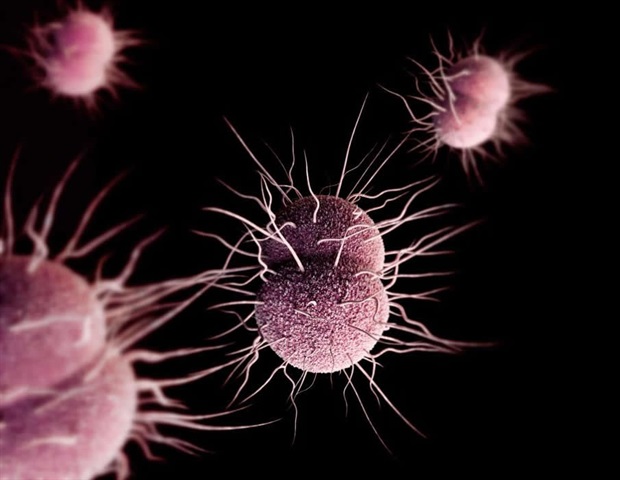
A Graphic of Gonorrhea

So what is the genetics connection to this idea of resistance within a bacterial population?
"Antibiotics kill or inhibit the growth of susceptible bacteria. Sometimes one of the bacteria survives because it has the ability to neutralize or escape the effect of the antibiotic; that one bacterium can then multiply and replace all the bacteria that were killed off. Exposure to antibiotics therefore provides selective pressure, which makes the surviving bacteria more likely to be resistant."
So, humans are basically accidentally selectively breeding the bacteria in order for them to become resistant to a certain medication. By not finishing your medicine, having taken the medicine too many times, or just abusing the medication in general can lead to selecting resistant bacteria to develop and replicate to eventually become the majority of the population.

I think that the simple fix to this problem is to educate the population before administering medicine to the general populous. There has to be some kind of verbal system explaining to a person how to use the medication properly. I know it is in place for certain drugs and treatments, but not all of them. Then, people assume that the idea of not finishing your entire dose of medicine doesn't apply to what they are currently taking just because it wasn't verbally presented. The general population would understand the accidental selective breeding of resistant strains of the infections if they were given the warning verbally in my opinion. Yes, it is partially the doctor's fault at times for not advertising to use the entire antibiotics (since I have personally experienced misinformation or lack there of in the doctor's office before), but it is the individuals fault as well for not self educating themselves about what they are taking. It's weird how a human behavior has a relation to the spread of the accidentally selected resistant strains of infections.
 

Thursday, April 14, 2016

Study Reveals that Antibiotics do not Induce Conjugation in Bacteria

For many years, it has been considered a well known fact that the gene transfer of antibiotic resistant genes is induced in the presence of antibiotics.  A study perfomed at Duke University, however, has recently disproved this mainstreamed theory with few exceptions.
A form of horizontal gene transfer called conjugation was theorized to be the cause of populations of resistant bacteria.  "Because the number of resistant bacteria rises when antibiotics fail to kill them, researchers assumed that the drugs increased the amount of genetic swapping taking place."  But, the study performed determined that this increase in resistant bacterial cell count was due to the parent lineages being killed by antibiotics.  Thus, allowing the resistant strain to thrive.
Bacteria were suspended in G0 phase.  Ten drugs, representative of each major class of antibiotic, was added to each sample.  The total rate of gene exchange was tested and, for all but few exceptions, no antibiotic resistance was observed to exchange between microorganisms.  To learn more about conjugation, gene transfer, and antibiotic resistance, visit this site on antimicrobial resistance.

Saturday, November 21, 2015

Bacteria Resistant to Last Resort Antiobiotics

Antibiotics, super drugs of our age, have been suddenly decreasing in effectiveness around the world, as bacteria continue to adapt. Earlier this month, scientists in South China have identified enterobacteriaceae, found in pigs and humans, containing a powerful gene resistant to last-resort antibiotics. This mcr-1 gene gives bacteria a successful resistance to polymyxins (colistin and polymyxin B). Mcr-1 was once identified on a bacterium's single chromosome from a mutation. Now, the gene is located on bacterial plasmid, which is circular DNA more easily transmitted from bacteria through conjugation. Consequently, resistance to polymyxins and other antibiotics is rapidly increasing.  

Experiments and research show bacteria with this resistance originated in animals, pigs to be exact, but now are effecting humans as well. Animal feed contains strong antibiotics for product preservation and animal health. This exposure of antibiotics has promoted bacterial resistance in pigs, as bacteria develop and adapt to survive. The same enterobacteriaceae are now effecting people in China. This could cause widespread epidemic, and no drug could stop the bacteria from affecting massive population around the globe. 


Bacterial resistance to antibiotics is a major concern. Dr. Bruce Hirsch, an infectious disease specialist, sums up our responsibility to prevent major crisis and antibiotic resistance. He states, "If you don't need antibiotics, don't take them…you are only giving bacteria more practice." Let us be wise. 


Other Article: Experiment


Friday, April 3, 2015

From Common Bacteria to Superbugs

Electron Micrograph of Anti-biotic Resistant Bactera
Recently, a study has concluded that there are two genes which cause anti-biotic resistant bacteria. According to the Science Daily article, Common bacteria on verge of becoming antibiotic-resistant superbugs, these bacteria have already caused deaths in hospitals. It was explained that these bacteria are resistant to carbapenems, very strong anti-biotics used as a last resort.

There are two genes which cause this resistance: KPC found in New York and NDM-1 found in South Asia. A study proved that these two genes can be shared within a family of bacteria. These genes are very deadly for patients with vulnerable immune systems - there's a 50% or more mortality rate for these patients.

In addition to these findings, recent studies have found that intermingling of these two genes have already begun in China. Many experts are dreading this as it looks like the start of a "post anti-biotic era".

This is very alarming due to the fact that carbapenems are the hospitals' last resort on anti-biotic resistant bacteria, If new anti-biotics are not found soon, then the mortality rate for patients with weak immune systems will only increase. If carbapenems are a last resort for the most ill patients, than other anti-biotics used for the "not-so-critical" patients could most likely have no effect. This means that everyone is at risk to these new super-bugs and scientist need to search for a way to create new, stronger anti-biotics.

Additional Link

Friday, January 30, 2015

The use of Bacteriophages in combating antibiotic resistant bacteria.


Phage therapy uses bacteriophages in order to treat specific bacterial infections without harming the human microbiota. Lytic bacteriophages attach to specific bacteria, penetrate and inject their genetic material, force the bacteria to manufacture products for a new generation of viruses and finally lyse the infected bacteria to release the newly made phages.
Research for this type of treatment originated in the Soviet Union at a time when they had no access to the antibiotics being produced in the west, but it is now been revised in order to tackle the growing concern of antibiotic resistant bacteria.
The issue that lies with broad-spectrum antibiotics is that they destroy an extensive scope of bacterial strains. Bacteriophages are able to attack a single strain or species of bacteria without destroying others that may prove useful for the balance of the human micriobiota. Unlike antibiotics, when bacteria develop mechanisms to prevent the penetration of these viruses, researchers are always able to change the type of bacteriophages being applied to a patient.
Researchers are also looking into creating their own synthetic bacteriophages that would only kill antibiotic resistant bacteria.


http://www.nature.com/news/phage-therapy-gets-revitalized-1.15348   main article
http://www.the-scientist.com/?articles.view/articleNo/41097/title/Bacteriophage-Boom-/
http://phages.org/   helpful


Monday, April 29, 2013

A Way to End Biofilm Production in Bacterium

An article in ScienceDaily sheds some light on certain bacterial secretions. Bacteria protect themselves by secreting a slimy layer that we know as a biofilm. It is basically a whole strain of bacteria packed tightly to protect themselves from attack.  Biofilms have been known to cause many health issues especially on medical implants. They also cause a threat in ocean pollution due to their tendency to coat the outside of ships and boats. This article talks about a new technique that regulates the formation of biofilm by a molecular switch. SinR is known as the biofilm formation regulator protein in Bacillus subtilis. When SinR is bound to DNA, the proteins that are required to make biofilm are turned off. By the application of X-ray crystallography, it has been determined how SinR interacts with very specific DNA targets.

[caption id="attachment_8293" align="aligncenter" width="665" caption="SEM imaging depicting the interaction of the cells of a mouse after exposure to biofilms"][/caption]

I think this is an astounding discovery. I am currently doing research in science about biofilms. I can genuinely see the importance of research in these fields. By knowing how SinR interacts with DNA and other proteins scientists would be able to interject molecules that can interfere with the process. This would stop biofilms from being produces. I also believe this would be a huge break through in the antibiotic field as well as an act against antibiotic-resistant bacterium.


Wednesday, March 6, 2013

Bacteria Resistant of the Strongest Drugs

Recent New York Timesand CBS News articles are discussing a rise in a strain of bacteria that is resistant to even the strongest antibiotics.The spread is seen primarily- and mostly limited to- United States hospitals. There is a "limited window of opportunity" to control the spread. This bacteria is most often located in the gut of humans. The bacteria has acquired a lethal trait for the immunity to last resort antibiotics, including carbapenems. These antibiotics are responsible for inhibiting the cell wall synthesis and are a mainstay of therapy in patients with serious hospital acquired infections.

Director of the Centers for Disease Control, Thomas R. Frieden, nicknamed these organisms "nightmare bacteria." This name stems from their ability to pass on the traits that leave them resistant to drugs. This case has been found in 42 of the 50 United States, and most commonly in the Northeast, specifically New York.

In order to reduce the spread of these infections, hospitals are urged to to ruthlessly scrub all work stations and have all employees and guests constantly wash their hands. They are also encouraged to identify infected people, isolate them, and assign dedicated care teams and equipment to only those infected. Any intravenous line or catheter should be removed as quickly as possible, because they are "avenues of infection."