Showing posts with label University of Edinburgh. Show all posts

Sunday, October 30, 2022

42 Gene Variants Possibly Linked to Dyslexia


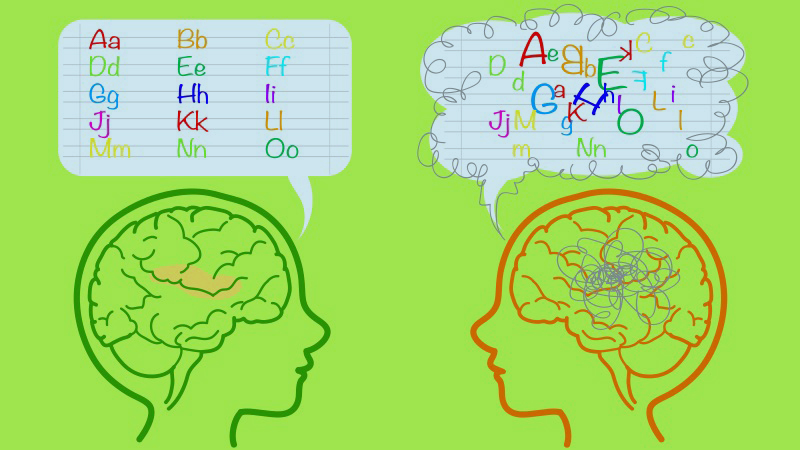
A recent article by News Scientist reports that a genetic study regarding dyslexia has identified 42 genetic variants that may be linked to a person's chance of having dyslexia. Michelle Luciana from the University of Edinburgh in the UK conducted a genome-wide study with a sample size of 1.1 million adults. Of those 1.1 million adults that were in the study, 51,000 of them stated that they had been diagnosed with dyslexia. The scientists scanned markers across the sets of genomes of the sample size to identify any variations associated with a particular trait. They identified 42 genetic markers that differed between a participant without dyslexia and a participant with dyslexia. Based on the results, the more markers, or variants, that were identified in an individual, the higher chance they had of having dyslexia. Around one-third of the 42 genetic variants had been previously linked to having conditions, such as attention deficit hyperactivity disorder, or ADHD, while others were more novel, and were associated with things, such as being ambidextrous or pain threshold. It was stated that the 42 genetic variations may not cause dyslexia in an individual, but it would make it more likely to have it when combined with other environmental factors.

Dyslexia, or developmental dyslexia, is a learning disorder that causes difficulties with reading due to issues with identifying speech sounds and learning how those sounds relate to letters and words. They show difficulty in fluent word recognition, reading comprehension, and spelling. Although dyslexia has a 40-60% hereditary rate, the heritability remains unexplained in large parts, due to multiple genes and environmental factors playing a role.

I find it amazing how we are able to pinpoint certain genes that affect the chances of having certain mental and physical disorders. As was stated in the News Scientist article, with the ability to determine the chances of having dyslexia, or any disorder for that matter, we can better help individuals, such as children, with learning in a way that better suits their learning style. I find it amazing how far science has come, to be able to scan the genome and determine certain characteristics.

Monday, March 30, 2015

No More Cold Sores?

In the article “Research May Point to Treatment of ColdSores” written by Douglas Quenqua in the New York Times, he states that there may be a treatment for cold sores. About 20% of people get regular cold sores, which may be genetic. Herpes simple virus type 1, which is cold sore, is very common, affecting almost 9 out of 10 people. But just because people have the virus does not mean they get cold sores often or at all. Researchers from the University of Edinburgh in Scotland found genes that contained proteins that prevented the virus, but one was mutated and caused people to develop the sores. The gene was called IL28B and it did not produce the protein to stop sores from forming. With this information, the possible treatment is acyclovir, which could also treat other infections that are caused by the virus, but not for infections of brain, eyes, and genitals when very severe.


This research is very helpful because many people suffer from cold sores, although it is not a life or death situation, but it is a common thing that people have to deal with on a daily basis that could potentially be treated. The only thing I have known that help cold sores is Abreva, which some say do not work for them. Acyclovir can also treat eczema, which is a form of herpes. If this treatment does work, it could potentially lead to finding treatment from the more severe infections that were mentioned, such as the brain, eyes, and genitals. Acyclovir can only stop the spread of the virus, it is not a cure. So, this treatment could lead to a cure for all of the herpes viruses. 

Tuesday, December 2, 2014

Genes Could be the Key to a Good Memory

A study was conducted to find a connection between genetic variants and the ability to remember stories and lists. This study is the first of its kind.


The researchers had participants who were all free of dementia take memory tests. The tests consisted of remembering stories and words after a certain period of time.

The researchers analyzed the results of the tests in conjunction with individual genome information. They then determined which genetic variants were linked with lower memory test scores. The results for individuals who possessed certain genetic variants showed early signs of Alzheimer’s disease.

The individuals found to have lower scores were found to have variants near the Apolipoprotein E gene, which is involved in immunity. Some previous research has shown that a number of forms of Apolipoprotein E are connected to a higher risk for dementia and related diseases.

The researchers also studied over 700 postmortem brain tissue samples. After studying the samples, they determined that individuals with the genetic variants studied in this experiment were more likely to have signs of Alzheimer’s.


They hope that their discoveries can help scientists understand the link between genes, immune systems, and memory loss due to age.

This article was interesting to read but not surprising to me. It's clear that our genes affect nearly everything about us, so it always seemed likely that genes would affect memory and aging as well. Hopefully, this helps scientists and clinical professionals better understand the exact sources of problems to either fix them or help improve treatment options for aging patients.

Article: http://www.medicalnewstoday.com/articles/286106.php
Secondary Link: http://www.medicalnewstoday.com/articles/265432.php