Showing posts with label Infant. Show all posts

Sunday, November 27, 2022

A Child was Treated for a Rare Genetic Disease While in the Womb


Researchers and doctors were able to fully treat a toddler girl from a rare genetic disease before she was even born. Ayla, a sixteen-month-old toddler, had infantile-onset Pompe disease, a genetic disorder that can cause organ damage that starts before birth. Whilst still an infant, many signs and symptoms of the disease can be present, such as progressive muscle weakness, diminished muscle tone, and respiratory deficiency. This can result in the infant not surviving past the age of 2. Treatment for the disease usually begins after birth, but the treatment does not prevent irreversible damage.

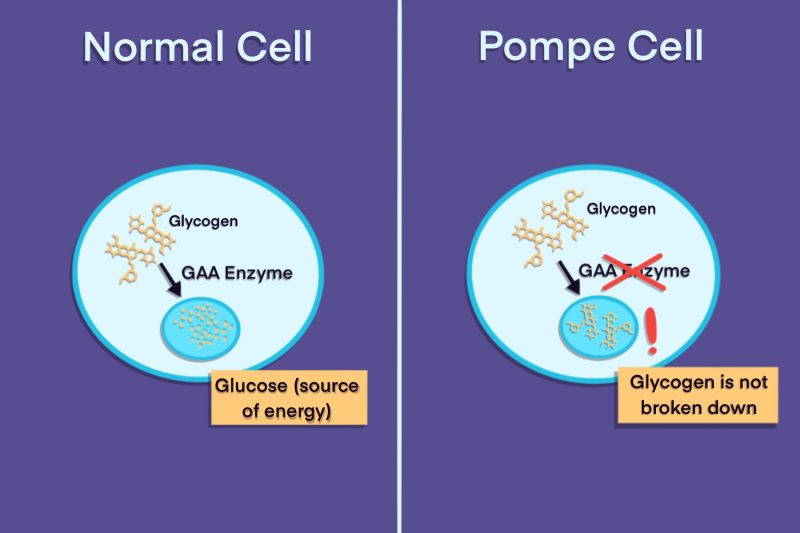
The disease affects less than 1 out of 138,000 babies born globally, and it is caused by genetic changes that either reduce or prevent the body from making acid alpha-glucosidase or GAA. This enzyme turns glycogen into glucose, and without the enzyme, glycogen accumulates to dangerous levels that can affect a baby's muscle tissues, such as the heart and muscles. After early studies with mice suggested that treatment for a Pompe-like disease could be controlled before birth, doctors and researchers launched an early-stage clinical trial. The trial team began treating Ayla by infusing GAA through the umbilical vein when her mother was 24 weeks pregnant. She was infused six times before birth, and the medical team has been infusing Ayla weekly after birth, though she will need to continue treatment throughout her life.

In my opinion, I wonder if other genetic conditions or diseases can be treated once detected in the womb. If this clinical trial showed me anything, it is that with new technology and techniques, we are getting closer to being able to treat and prevent many diseases from worsening.

Sunday, October 20, 2019

Gene therapy restores immunity in infants with X-SCID

          The article "Gene therapy restores immunity in infants with rare immunodeficiency disease" talks about the most recent gene therapy trial that was done on infants with X-SCID. X-SCID is a rare inherited disorder that causes those infected to not develop or have normal functioning immune cells. The disease is caused by the mutation in the IL2RG gene which increases the infants susceptibility to succumb to severe infections. Scientist at NIAID and St. Jude Children's Hospital tried to restore the immune function by injecting a normal copy of the IL2RG gene into the infants stem cells. Compare to previous attempts in treating infants with X-SCID this method of gene therapy yielded better results. 7 out of the 8 infants test showed an increase in immune cells (T cells, B cells, and NK cells), while the 8th infant showed in increase in T cells. The researchers are still monitoring the infants that receive this gene treatment and are starting to enroll more infants into the trial.


     This was a very informative article. It is always a welcome news when new treatments for diseases that impact infants yields a positive result. The article talked about other methods that researchers tried to help those with X-SCID and it was very interesting to see the different outcomes.  One used chemotherapy regimens and while it did increase T cells, those cells did not have the functions an immune cell would have. It made me wonder why did the T cells generated from the gene therapy and the chemotherapy did not do the same thing, one being fully functional and the other not.


Links:
https://www.niaid.nih.gov/news-events/gene-therapy-restores-immunity-infants-rare-immunodeficiency-disease
https://www.sciencedaily.com/releases/2019/04/190417171019.htm

Friday, April 13, 2018

Genetics Linked to Vunerablility of SIDS


A recent study performed looked into if the genetics of an infant influenced their chances of succumbing to sudden infant death syndrome (SIDS or crib death). The study showed a link between SIDS and a genetics mutation involving SCN4A, which leads to impairment of the muscles involved in breathing. The study involved 278 infants who died of SIDS and 729 other who acted as the control. While the mutated SCN4A was linked to SIDS it was only found in four of the affected individuals and was not cited as the cause of SIDS (which is believed to be caused by multiple factors). Unfortunately the study did not go into minorities as all involved individuals were white and hailed from Europe.
SIDS is a frightening concept, due to both its unexpected nature and unexplainable cause; if we are able to know via genetics if an infant is more susceptible or not then more caution can be taken with the child.

Saturday, March 9, 2013

Finally an End to Infant HIV?

In a world where an estimated 300,000 newborns are delivered already infected with HIV, it is safe to say that any progress in stopping this epidemic would be considered remarkable. On March 3, 2013, it was finally announced that a young baby from Mississippi had allegedly been cured of HIV maternally transmitted while in the womb. If confirmed, this will be only the second documented cure of HIV in the entire world. Contrary to normal "prophylactic measures," this baby was immediately placed on a rigorous three-drug combination antiretroviral therapy directly following post-delivery HIV testing. Initially at the University of Mississippi Medical Center, the baby tested HIV positive for 5 tests (4 viral RNA and 1 DNA). Two blood tests ordered hours apart to ensure further reliability revealed that the baby's HIV viral levels were about "20,000 copies per milliliter."


At 1 month old, the baby's HIV levels were steadily decreasing in response to the rapid treatment. When the toddler reached 18 months, it was brought back to UMMC for further medical testing and viral assessment.  To doctors', nurses', associated staff's and the mother's great surprise, all tests returned HIV negative.
 The researchers, sponsored by amfAR, the Foundation for AIDS Research, put the baby through a battery of sophisticated tests. They found tiny amounts of some viral genetic material but no virus able to replicate, even lying dormant in so-called reservoirs in the body."

Although skeptics unfortunately question the facts of this case, it has been hypothesized by many health professionals that the virus of this child was treated in such a rapid fashion that it did not have time to manifest into these "hidden reservoirs" of the body. For those plagued with HIV, the virus typically hides in a dormant state within reservoirs and is able to resist medication. Other doctors now contest the fact that this is a true cure if the child never actually established this "hiding areas" for the virus to hide and grow. Regardless, the results of this child's case may prove of substantial importance in the innovation of future treatment of HIV and can serve as a heartwarming sense of hope for those longing for a cure.

[For more on this article, check out the following links: http://www.nytimes.com/2013/03/04/health/for-first-time-baby-cured-of-hiv-doctors-say.html?pagewanted=2&_r=0&hpw & http://abcnews.go.com/Health/mississippi-baby-born-hiv-functionally-cured-doctors/story?id=18645410]