A recent article published in the Los Angeles Times claims that genetic research being conducted with mosquitoes could be leading to a breakthrough we have all been waiting for. A team of researchers led by Dr. Matt DeGennaro at Florida International University are currently analyzing the genes in mosquitoes that help them find and bite them. Mosquitoes have the potential to carry many different harmful diseases, such as Zika Virus, Malaria, and Yellow Fever. The ability to isolate the genes responsible for their ability to hunt down and potentially infect humans would be a step in the direction of preventing these deadly diseases from being spread. Through his work with a species of mosquito known as Aedes aegypti, Dr. DeGennaro has determined that mosquitoes rely on a wide variety of cues to locate humans. They are known to have the ability to detect both carbon dioxide and lactic acid in the air to locate humans, and can even taste a human with their legs by landing on their skin. These uncanny abilities are possible because of certain genes the mosquito possesses. DeGennaro has done extensive research on the role the IR8a scent receptor in Aedes aegypti that detects carbon dioxide and lactic acid, and has found a way to disrupt the gene that codes for this key receptor. DeGennaro's research shows that mosquitoes without this receptor did have a significantly lower response to human chemical signatures. Overall, a much lower percentage of mosquitoes without the IR8a gene were able to detect human blood and odor than normal mosquitoes with the IR8a gene. This discovery is likely the first step in devising a strategy to deactivate this gene in mosquitoes and stop the spreading of deadly diseases such as Yellow Fever.
I think that this article and the research being conducted by Dr. DeGennaro and his team is very promising. The ability to isolate one of the genes that help mosquitoes track and bite humans is a very useful discovery. In the not-so-distant future, I would expect this information to lead to a new type of insecticide that specifically targets the IR8a gene in mosquitoes. This may seem very unlikely right now, but science progresses very quickly, and it would not surprise me if this type of insecticide was possible in the next few decades. However, the disruption of the mosquitoes' IR8a gene would do more than stop them from biting humans. The inability to detect carbon dioxide would likely impair their ability to locate any potential prey. This would cause the death of many mosquitoes and cause the entire ecosystem to be thrown out of balance. Before this is done, ecologists must determine what kinds of effects a dwindling mosquito population would have on the environment and weigh the risks and rewards associated with this scientific breakthrough.
Showing posts with label yellow fever. Show all posts
Friday, March 29, 2019
Monday, November 21, 2016
Waging War Against Zika
https://www.sciencedaily.com/releases/2016/11/161115120846.htm
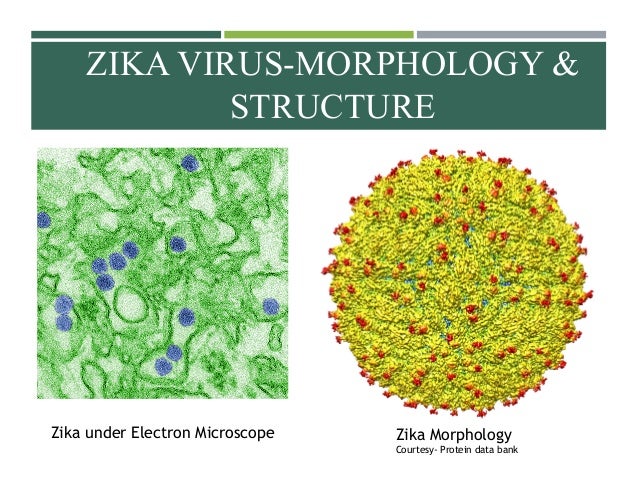
Zika virus touches thousands of lives and has taking thousands of lives as well, some of which have been robbed of their chance for life before it even begins. Zika is a mosquito-borne that is not that harmful for a healthy adult but for infants and older people it can be deadly. It particularly effects pregnant women and their babies, causing them to be still born. Zika has also been associcated with Guillain-Barré syndrome, which is a debilitating nerve disorder, and microcephaly, which is smaller abnormal head shape in newborn infants.(WHO _Zika virus). The key to uncovering Zika virus's Achilles heel is to first uncover the dreaded yellow fever virus secerts. One of the most important keys to combating these disease is to figure how these viruses get around the insects immune system. Dr. Kevin Myles, Glady Samuel and Dr. Zach Adelman from Texas A&M AgriLife Research center at Texas A&M University have thought to have found the protein responsible for this immune evasion.
K. (n.d.). WHO _ Zika virus.pdf - 2/25/2016 WHO | Zika virus Media centre Zika virus. Retrieved November 21, 2016, from https://www.coursehero.com/file/13829911/WHO-Zika-viruspdf/
Texas A&M AgriLife Communications. (2016, November 15). Making strides in fight against Zika. ScienceDaily. Retrieved November 21, 2016 from www.sciencedaily.com/releases/2016/11/161115120846.htm
Zika virus touches thousands of lives and has taking thousands of lives as well, some of which have been robbed of their chance for life before it even begins. Zika is a mosquito-borne that is not that harmful for a healthy adult but for infants and older people it can be deadly. It particularly effects pregnant women and their babies, causing them to be still born. Zika has also been associcated with Guillain-Barré syndrome, which is a debilitating nerve disorder, and microcephaly, which is smaller abnormal head shape in newborn infants.(WHO _Zika virus). The key to uncovering Zika virus's Achilles heel is to first uncover the dreaded yellow fever virus secerts. One of the most important keys to combating these disease is to figure how these viruses get around the insects immune system. Dr. Kevin Myles, Glady Samuel and Dr. Zach Adelman from Texas A&M AgriLife Research center at Texas A&M University have thought to have found the protein responsible for this immune evasion.

A protein found in yellow fever, Zika, and West Nile virus have been shown to surpress the immune system response of the incest. Dr. Myles insisted. "It's (Zika) fighting back and deploying its own countermeasures. Basically this is what's known as an evolutionary arms race. The survival of this group of viruses depends on their ability to stay one step ahead of the mosquito's immune response." (Texas A&M AgriLife Communications). Zika has been known since the 1960's but it was not as big of a problem to humans because Zika was losing the evolutionary arms race that Dr. Myles was reffering to. The reason it is a health threat now is beacuse they are gaining some ground and winning the battle against the mosquiteos immune system. If these proteins have the same effect on human's immune response then they can be minpulated to combat the diease instead if help it. This is important because this knowledge can help develop vaccines for these dieases and many other dieases that use the same kind of method for surpressing the immmune system.
K. (n.d.). WHO _ Zika virus.pdf - 2/25/2016 WHO | Zika virus Media centre Zika virus. Retrieved November 21, 2016, from https://www.coursehero.com/file/13829911/WHO-Zika-viruspdf/
Texas A&M AgriLife Communications. (2016, November 15). Making strides in fight against Zika. ScienceDaily. Retrieved November 21, 2016 from www.sciencedaily.com/releases/2016/11/161115120846.htm
Labels:
evolutionary arms race,
immune system response.,
protein,
Texas A&M,
yellow fever,
zika virus
Sunday, November 16, 2014
Mosquito Preference for Human Blood
These findings were obtained through the conduction of an experiment consisting of three parts. First, forest and domestic mosquitoes were placed in large cages and allowed to bite either a guinea pig or a researcher's arm. Then the mosquitoes were allowed to choose between streams of air that had passed over a guinea pig or a human arm. Finally, to rule out other mosquito attractants such as exhaled carbon dioxide, mosquitoes were allowed to choose between a the scent of nylon sleeves that had been in contact with a human or a guinea pig. Throughout the entirety of the experiment, the domestic mosquitoes chose the human scent while the forest mosquitoes preferred the guinea pig scent.
Using these results, researchers then looked for differences in their antennae, which detect scent, and found 14 genes that differ between forest and domestic mosquitoes, two of them being odor receptors Or4 and Or103. Next, researchers transferred these genes into fruit fly neurons and found that the neurons got excited when exposed to human scent, but did not get excited when exposed to guinea pig odor.
Having this knowledge is very beneficial and can make it possible to better control mosquito preference for human blood and stem yellow fever. This also might be linked to why other types of mosquitoes, like those that carry malaria, prefer human blood.
Main Article
Related Article
Subscribe to:
Posts (Atom)