There exist
various genetic factors and biological processes that are conserved throughout
time due to their essential nature to the biological world. One of those most
key is the process of cell division, by which genetic information is
transferred from one generation of cells to the next. All organisms rely
heavily on the continued functionality of the process of cell division, making
it unlikely for change in the procedure for this phenomenon to take place as
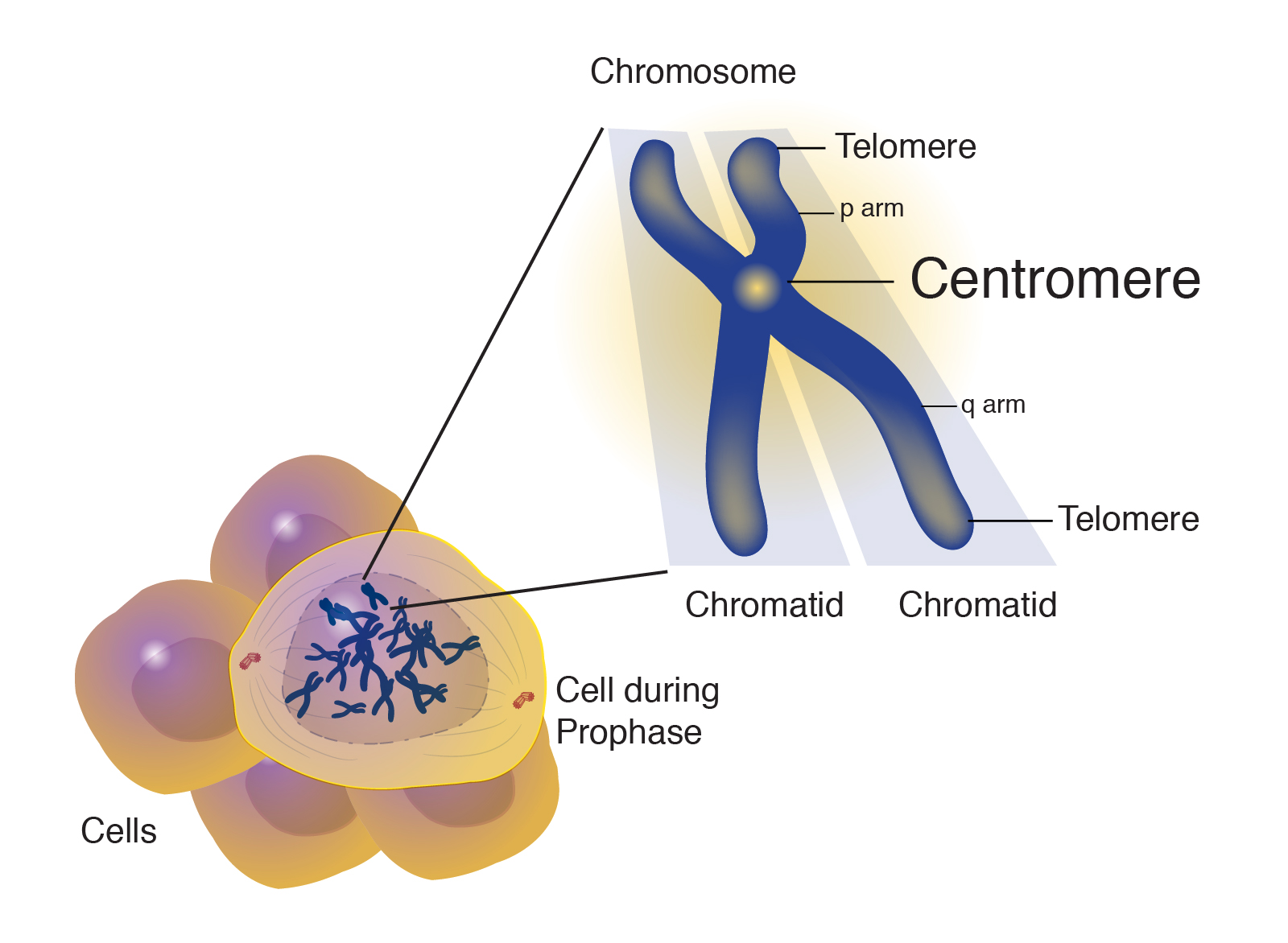
time progresses. Centromeres prove to play a crucial role in the process of
cell division, providing attachment sites for duplicate chromosomes to separate
to opposite poles within the cell. Microscopic analysis has continued to show
researchers that while always present, centromeres are quite variable in the
sequence of their coding DNA across the cells of different species. Regardless
of this variability CenH3, a DNA packaging protein, has continued to remain a
common factor for all cases of cell division to biologist knowledge until now.

Investigation by
researchers at Malik and Henikoff labs has shown that there exist insect
species whose cells lack this supposedly essential CenH3 protein. Their course
of research into this topic began with the observance that certain species of
insect, specifically butterflies and moths, had an abnormal centromere
structure. Analysis of insect chromosome structure and centromere organization
has allowed for researchers to divide various insects into two groups; these
are monocentric and holocentric insects. The monocentric insects have traditional
X-shaped chromosomes with singular centromere attachment while the holocentric
insects have chromosomes that appear like railroad tracks as the centromeres
run along the full span of the chromosomes with multiple attachments. Some
insects identified as monocentric are bees, flies, and beetles; some identified
as holocentric are moths and butterflies. Through genome sequencing analysis,
researchers were able to come to the conclusion that monocentric insects had
all conserved the CenH3 protein while holocentric insects had lost coding for
this protein at some point in evolution due to its lack of necessity in the
cell division process.

This proved an
intriguing finding due to the disappearance of a protein thought to be
essential to such a necessary process in the biological world as cell division.
This discovery raises many questions as to the possibility for other changes in
conserved genetic factors and biological processes among various species. This
also brings about thoughts regarding implications to the development of defects
in cell division.
I found this
article to be quite interesting in the questioning of such a fundamental
concept in biological studies. With a process like cell division, one would
assume all characteristics and factors involved to remain consistent even as
various species evolve due to the essential nature of this process. I find it
fascinating that the CenH3 protein has been lost in the genetic code for some
insects while not for others, and that this has not negatively impacted these
species. Findings such as this that challenge prior belief really add
excitement to the study of genetics. Maybe other similar discoveries will come
about in the near future.