Showing posts with label antioxidant. Show all posts

Wednesday, November 15, 2017

Tomatoes with enhanced antioxidant properties created with genetic engineering


Tomatoes with enhanced antioxidant properties created with genetic engineering
Image result for tomatoes

                New research has identified a way to make tomatoes healthier by boosting antioxidant properties.  Scientists manipulated the plant isoprenoid pathway to overexpress HMGS in tomatoes.  They were able to find that this increased phytosterols, squalene, provitamin A and lycopene, but also vitamin E by 494%.  The HMGS DNA was found in the Indian mustard plant that yields edible leaves, stems and seeds.  This DNA exhibits higher enzyme activity by ten times.  When the genes were introduced into tomatoes, they found that they were able to simultaneously enhance vitamin E and provitamin A.  There were no differences in size and appearance of tomatoes, but the total carotenoids increased drastically.  There was also a deeper color of carotenoid extracts with higher antioxidant activity. 

                This is very important for the future as our populations continue to grow and the earth becomes more crowded.  Scientists must find new sustainable ways to feed millions of people.  It is also important that they receive the vitamins and nutrients that they need to survive.  I think this field of research is very important as we are already overexploiting our resources in the current day.  Soon, our normal tomatoes will run out and we need foods that are able to sustain large populations.  A sustainable agriculture business is important to a healthy future.  It is good to be researching how we can improve our produce as people will likely want these products in the future.  HMGS is also used in rubber production and an article discusses how it can be used. 


Monday, November 6, 2017

Vitamin E discovery in maize could lead to more nutritious crop


Vitamin E discovery in maize could lead to more nutritious crop


Image result for corn and vitamin e


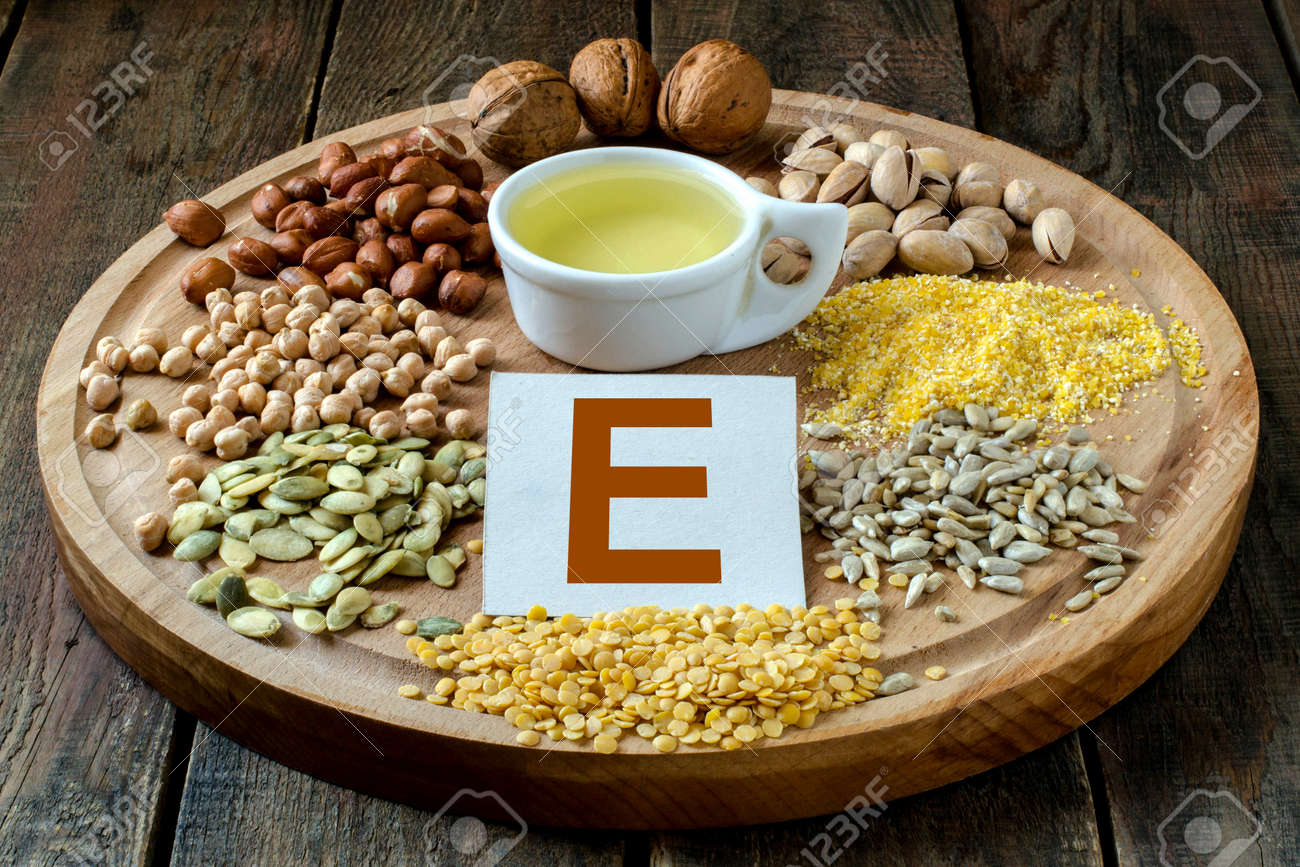
Scientists have recently discovered new genes that control vitamin E content in maize grain.  This discovery was done over multiple genetic association analyses.  They were able to identify 14 genes across the genome that were associated with the synthesis of vitamin E.  Six genes were found to encode proteins for a class of antioxidant compounds called tochochromanols or vitamin E.  Tocochromanols are found to help with heart health in humans and proper functioning in plants.  With this new discovery, scientists can focus on the specific genes associated with vitamin E to help increase vitamin E content in maize.  It was also mentioned that provitamin A could simultaneously increase vitamin E as the two are related biochemically.  This discovery could lead to improving the nutritional value of maize and improve the health of people around the world.  This discovery is very important as it affects people all over as corn is such a staple crop.  Making corn more nutritious would be great as it is an inexpensive food that is available in many regions of the world.  I think that focusing on the 14 genes that are associated with the antioxidant could really help the world of agriculture in making it more productive and efficient in terms of health.  Vitamin E offers many benefits to humans as found in the second link.