People may ask why some people get addicted to cocaine after one try, while others will try it and be able to leave it alone. You may ask why some people are able to stay clean after rehab while others relapse. These questions may have a lot to do with the genetic factors that vary from person to person. Of course, we know that animal factors cannot explain all of the factors that lead to differences in addictions in human bodies, but the findings revealed information about the roles played by both inherited traits and addiction related changes in the brain.
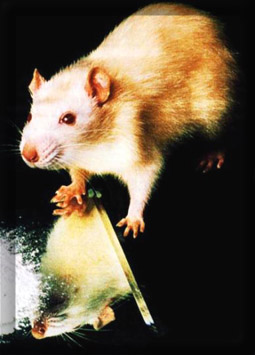
The researches looked in rats' brains for the genetic instructions needed to make a key "pleasure receptor" called D2. It allows brain cells to receive signals sent by the brain chemical dopamine, or cocaine. They found that more addiction-prone rats had lower levels of D2 instructions to begin with when compared to the other rats, in an area of the brain known to play a major role in addiction.
The addiction-prone rats also were more likely to carry a specific mark on their DNA called an epigenetic tag. This tag called H3K9me3 kept their brain cells from reading the gene for D2 receptors, but after they became hooked on cocaine, the addiction-prone rats had the same levels of D2 as the less addiction-prone ones. When the cocaine was taken away for a while these rats were more likely to relapse to addictive behavior if they had started out with the epigenetic tag that kept their cells from reading the D2 gene.
I have always asked the question why people get addicted to drugs and others do not, but I have never thought it was a genetic factor in the brain. I always thought it was how you were raised or what influences from your environment affected you. I never thought to assume it was a genetic issue.
