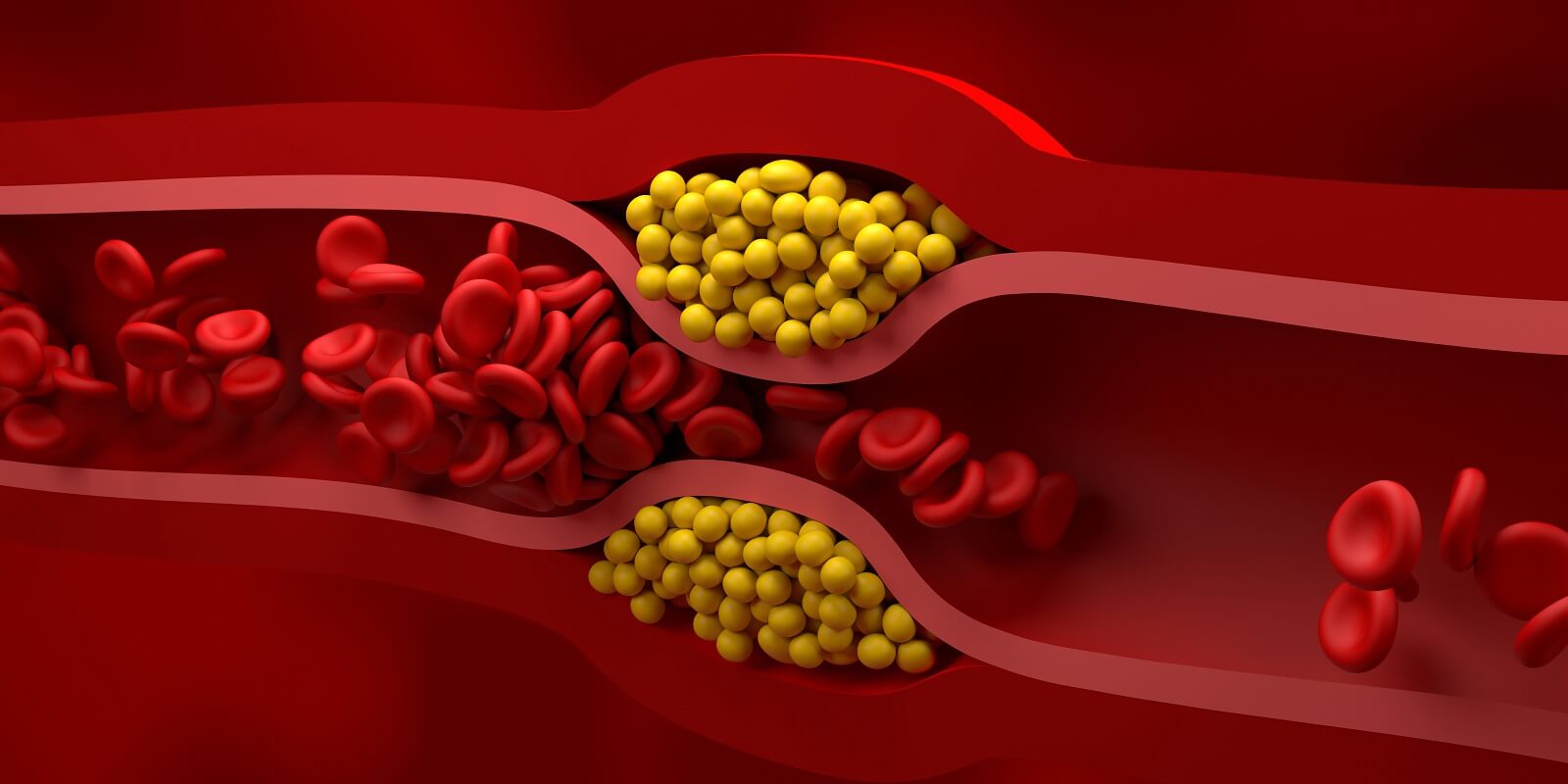
The recent Cleveland Clinic CRISPR trial represents a revolutionary approach to a pervasive health challenge that affects over a quarter of American adults. LDL cholesterol, while essential for bodily functions such as cell membrane construction and hormone production, becomes dangerous when present in excessive amounts. As explained in Cleveland Clinic's health education materials, elevated LDL levels contributw to artherosclerotic plaque accumulation in arterial walls, raising the risk of heart attacks, strokes, and peripheral artery disease. Traditional management strategies have relied on daily medications like statins or lifestyle modifications including dietary changes and increased physical activity, yet adherence remains problematic. Approximately half of patients discontinue cholesterol-lowering medications within a year. This compliance gap emphasises the need for more durable therapeutic solutions.
The November 2024 trial results offer a glimpse into what such a solution might look like. By using CRISPR-Cas9 technology to permanently disable the ANGPTL3 gene in liver cells, researchers achieved dramatic reductions in both LDL cholesterol and triglycerides with a single intravenous infusion. The therapy, called CTX310, essentially mimics a naturally occurring genetic variant found in some individuals who exhibit lower lifetime cardiovascular risk without adverse health consequences. Within two weeks of treatment, participants experienced approximately 50% reductions in harmful lipid levels that persisted for at least 60 days, with no serious safety concerns emerging during the initial follow-up period. This represents a paradigm shift from managing cholesterol through repeated interventions to potentially correcting the underlying genetic mechanism in a one-time procedure.
The convergence of gene-editing technology with our understanding of lipid metabolism demonstrates how modern genetics is transforming preventive cardiology. Rather than battling patient non-adherence or the cumulative burden of lifelong medication courses, CRISPR based therapies could fundamentally alter the trajectory of cardiovascular disease for millions of people with treatment resistant lipid disorders. While the technology remains in early development, requiring extensive long term safety monitoring over 15 years, the initial results suggest that permanently rewriting problematic genetic instructions may become a viable strategy for conditions previously manages only through sustained behavioral and pharmaceutical interventions. This approach exemplifies precision medicine at its most literal, editing the genetic code itself to prevent disease rather than treating its symptoms.
Sources:
“Cleveland Clinic First-in-Human Trial of CRISPR Gene-Editing Therapy Shown to Safely Lower Cholesterol and Triglycerides.” Cleveland Clinic, Cleveland Clinic, 8 Nov. 2025, newsroom.clevelandclinic.org/2025/11/08/cleveland-clinic-first-in-human-trial-of-crispr-gene-editing-therapy-shown-to-safely-lower-cholesterol-and-triglycerides.
“What’s so Bad about LDL?” Cleveland Clinic, 26 Nov. 2025, my.clevelandclinic.org/health/articles/24391-ldl-cholesterol.

This trial sounds like a big step toward easier and more effective cholesterol treatment. It’s wild to think a single gene edit could replace years of daily medication for so many people.
ReplyDeleteThis trial is a powerful example of how genetics is reshaping the future of chronic disease treatment. Instead of relying on lifelong medications and hoping for consistent adherence, CRISPR offers the possibility of fixing the underlying problem with a single therapy. The early results from CTX310 show just how transformative this approach could be especially for people whose cholesterol remains high despite standard treatments. While long-term monitoring is still needed, the idea of preventing heart disease by editing one gene highlights how quickly precision medicine is becoming a reality.
ReplyDelete