Honey bees may inherit altruistic behavior from their mothers
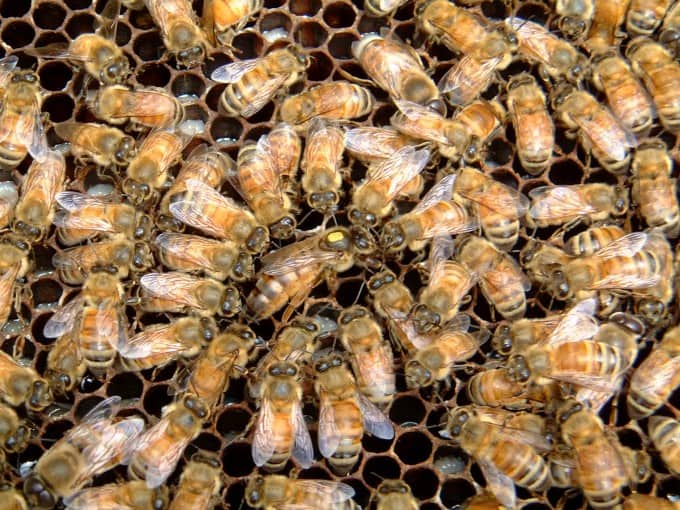
Penn State researchers have discovered that honey bees exhibit true altruistic behavior, which is influenced by an evolutionary battle of genetics. The study, published in Molecular Ecology, focused on "retinue" behavior, where worker bees, after exposure to the queen bee's pheromone, disable their own reproductive abilities to support the queen's reproduction. This altruistic behavior benefits the queen's ability to produce offspring, with the worker bees remaining sterile. The genes causing this behavior can be inherited from both parent bees; however, altruism only manifests when passed from the mother. The findings not only offer insights into bee behavior but also highlight the significant influence of parental gene inheritance on gene expression, supporting the Kinship Theory of Intragenomic Conflict.
The Penn State study on honey bees and their altruistic behavior is a fascinating exploration of how genetics and behavior can go hand in hand in nature. It's remarkable to see how the complex interplay of genes, inherited specifically from the mother, can shape such selfless behavior in the offspring. By highlighting the significance of the maternal lineage in altruistic behaviors, the study offers a fresh perspective on the Kinship Theory of Intragenomic Conflict. The second research article supports this conclusion as well. It states that sexual reproduction merges genes from two parents, leading to potential conflict due to differing familial presence. However, according to this article, worker reproduction traits in worker honey bees are more influenced by paternal genes rather than maternal ones. Despite this point of conflict, both articles suggest gene conflicts might be common in social insects.
Links:
https://www.sciencedaily.com/releases/2023/10/231012161659.htm
https://www.pnas.org/doi/10.1073/pnas.1516636113

