Showing posts with label rockfish. Show all posts

Wednesday, December 8, 2021

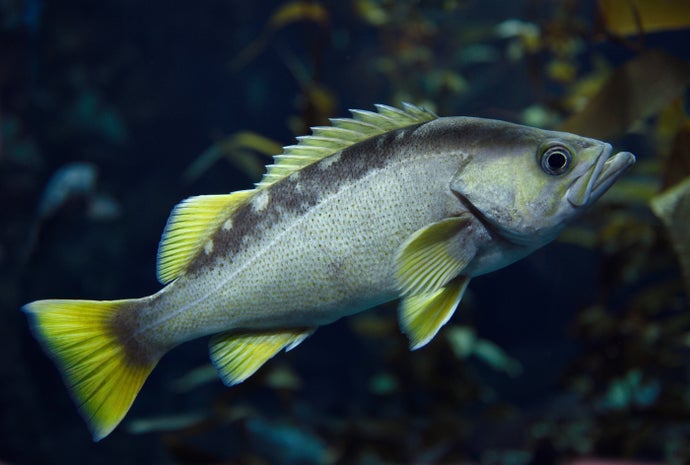
Genes That Allow Rockfish to Live up to 200 Years

Living for more than 100 years are uncommon in fish. Fish are one of the few species that encapsulate the extremes of longevity. Greenland sharks can live for more than 500 years, whereas coral reef pygmy govies only live for 10 weeks. However, the fishes' longevity actually originates from their size and habitats. This is possible because bigger organisms have a slower metabolism and are less susceptible to predation. In addition, a colder environment could possibly slow down metabolism and make it possible for Greenland sharks to live for centuries. Nonetheless, rockfish grow in colder waters for that reason and live in deep water which allow for them to live a very long life. 

The DNA in rockfish allowed for genes that are less susceptible to certain cancers than their shorter-lived kin. In addition, they also have a way to regulate insulin and use butyrophilin, a group of genes which regulates the rockfishes' immune systems. These different genes are closely similar to suppressing inflammation in aging humans. However, this does not mean that it could allow for humans to live for a long time too.

Friday, November 19, 2021

Genomic Analysis of Rockfish Species Gives Insight into the Biology of Longevity


Even within closely related species, fish can have a wide variety in lifespan. One such example is the rockfishes, a genus (Sebastes) that is found along Northern-Pacific coasts. The species, Sebastes minor, has a lifespan of around 11 years while the rockfish species, Sebastes aleutianus, can live more than 200 years. An article explains how a group of researchers examined the genomes of 88 species of rockfishes to see how some species in the genus can live to such long lifespans. They found that the group of rockfishes that can live for over a 105 years have 16 genes that are involved in the enrichment of DNA replication, repair, and maintenance with 5 of those genes exhibited selective signatures in more than one species of rockfish. These genes include WRAP53 and DCLRE1B which are involved in telomere maintenance, and FEN1 which is involved in base excision repair. These group of fish also have more copies of genes that are involved in dialing back the immune system suggesting they are more protected against the effects of 'inflammaging,' an increase in inflammation throughout the body that occurs in most vertebrates including humans.