Showing posts with label Omega 3. Show all posts

Saturday, March 16, 2024

How Fish Might Save Your Heart

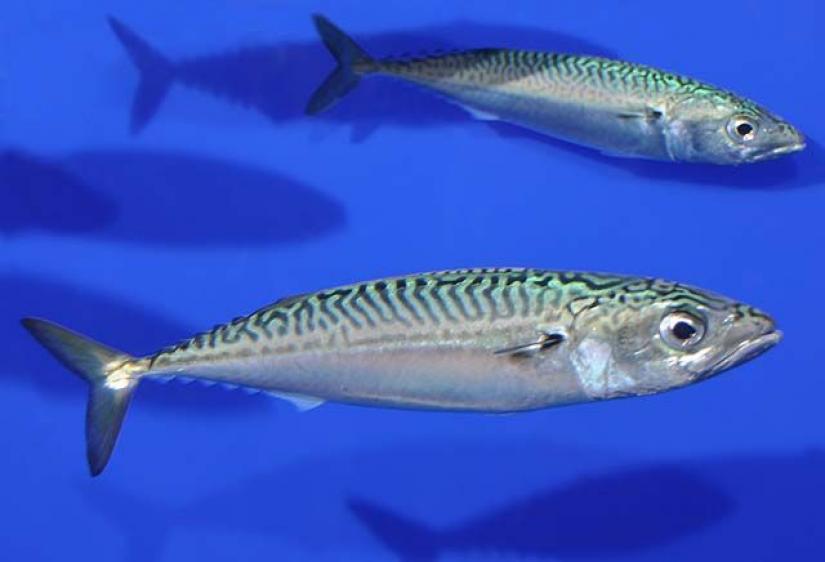
 Families that have a history of heart disease may benefit from eating more oily fish, which include salmon, mackerel, herring, and sardines. These oily fish contain high levels of omega-3 fatty acids, these cannot be produced by the body and therefore have to be obtained through the diet. Studies showed that individuals that had low levels of omega-3s were at a higher risk for heart disease. Those that presented higher levels of omega-3 were at less of a risk for heart disease. The prevention of diseases could be attained through a healthy lifestyle in some circumstances, there is no guarantee of this, but it could decrease the likelihood. These fatty acids have been linked to a stronger immune system, reduced inflammation, lower blood pressure, and improved cholesterol counts. 

Any ways to find preventions or lowering the risks of disease of any sort is very crucial. Based on this, someone had the risk, or already presented with, higher blood pressure and higher cholesterol, along with the risk of heart disease, this prevention supplement could help them in their daily life. This would be a beneficial way to take out a few of those concerns, or at least reduce them. 


Saturday, September 26, 2015

Omega 3 Fatty Acids, Non-benefical Without a Specific Gene


Since the 1970s, society was led to believe that omega 3 fatty acids, found in fish oil, help prevent heart disease. Now contrary to that belief, new studies show that the original study was incorrect and few people can actually metabolize omega 3. According to a New York Times article, "Inuit Study Adds Twist to Omega-3 Fatty Acids’ Health Story", those of Inuit descent have a specific gene which allows them to metabolize omega 3 fatty acids. Since the Inuit people lived in the Arctic for many generations and their only source of food was fish and meat, their population had to adapt to survive. Thus, the entire population eventually acquired this gene due to natural selection. This gene which is only found in 25 percent of the Chinese population and 2 percent of the European population, is now in almost every Inuit.

It is amazing to see an example of natural selection in homo sapiens; in first world countries it is easy to forget about natural selection because of the technologies which are used to prolong the lives of those with genetic defects. This is exemplified by artificial insemination; people who cannot have kids because of faulty genes are now able to have children because technology is advanced enough to bypass natural processes. I also find it interesting that Danish scientists concluded that fish oil prevents heart disease just because the Inuits have a low heart disease rate. There could have been many genetic factors to create this low rate, but despite all possibilities they decided fish oil was the true cause of the low rate. The Inuit people did not all originally have this gene; the number of those who possessed this gene was probably similar to those of China (25%), but after many generations of living without vegetation, the only Inuits which were able to survive were the ones with this gene. This event depicts a perfect example of natural selection in homo sapiens.   

Friday, September 18, 2015

Is fish oil good for you? Depends on your DNA.


The Inuits of Greenland have been known to have excellent cardiovascular health, which is a rising health issue in America. Their extreme lifestyle, mainly the freezing cold temperatures, is supported by their diet. It is rich in omega-3 fatty acids, found in the fat from their consumption of fish and marine mammals. Scientists are still putting the pieces together as to why their diet specifically is so beneficial to their health and hardiness in extreme conditions.

Rasmus Nielson, a population geneticist of the University of California, sought to find the specific DNA differences between populations that may account for the differences in the way we process fatty acids. His research team looked at differences in DNA between 191 Inuits, 60 Europeans, and 44 Han Chinese. They found significant differences on chromosome 11, where many genes control processing of fatty acids. They narrowed down on one DNA base found in most of the Inuits, but only 15% in the Han Chinese and rare in the Europeans. From this research, it is hypothesized that certain populations lacking the base that most Inuits have, have less protection from fats.

Nielson's research is important to world of genetics because it may be leading us towards diets that are determined based on "personalized genetic profiles." I find this information valuable because social media and many dietary journals stress the importance of specific diets to the point where it reaches a startling conformity. Everyone is different and we all require varying levels of fats and vitamins. Fish oil may not be good for everyone, but it definitely makes a difference for the Inuits. In a similar way, other supplements and vitamins found in our foods may have profound differences in effect from person to person.

Original link

Benefits of fish oil