Showing posts with label American heart association. Show all posts

Wednesday, November 23, 2016

Why take supplements?

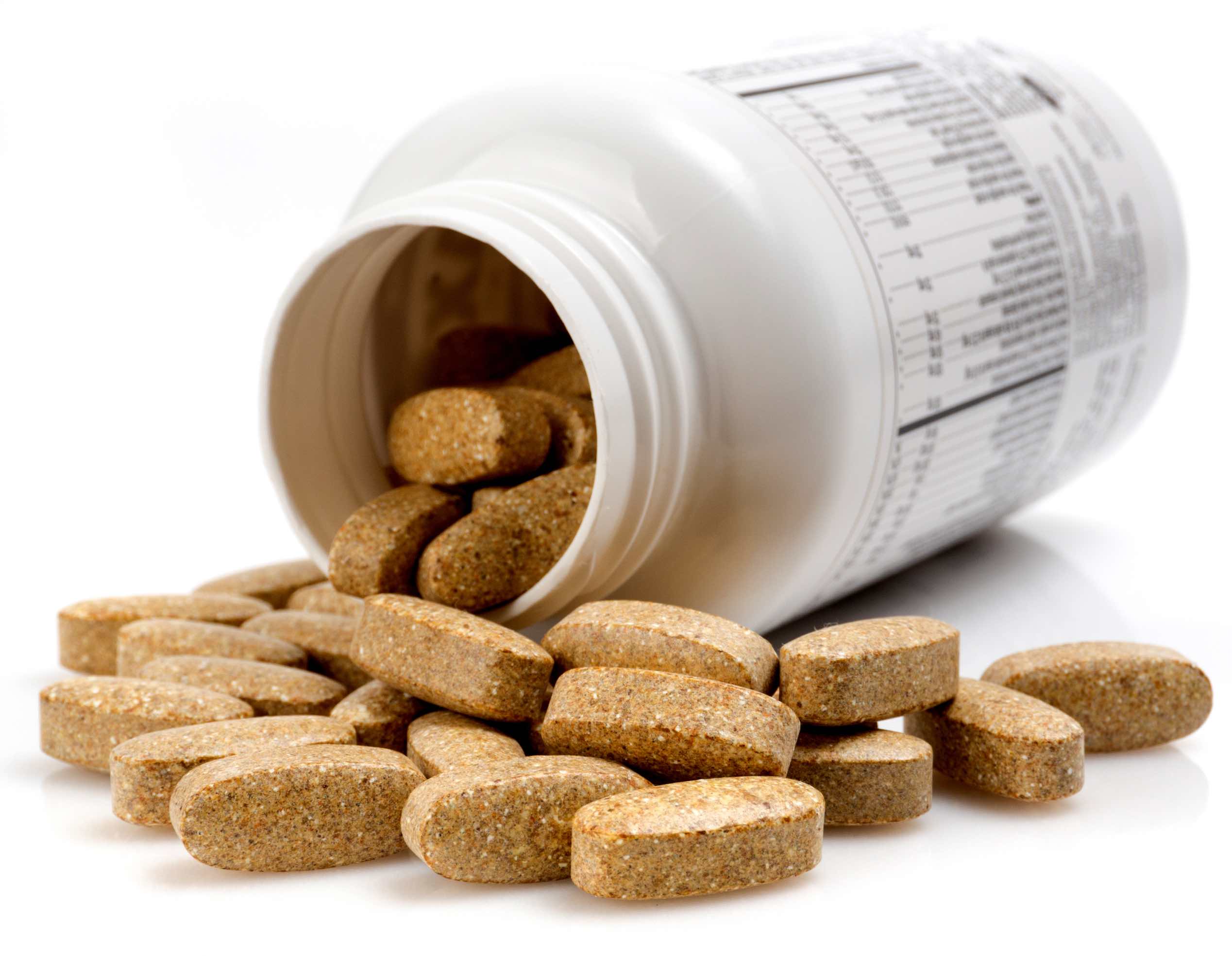
      In taking supplements, there is a lack of evidence that is either for or against the ability of multivitamins in preventing chronic diseases. The American Cancer Society, American Heart Association and the United States Primitive Service Task Force with others, found that there is no role for one-a-day supplements to prevent cancer or heart disease. There recommendation to prevent diseases as such is a well balanced diet.

      The studies were conducted one other supplements. The study of Calcium was prevent o raise the risk of a heart attack by 30%. In Vitamin B12, it is mainly from animal protein foods is the main source. The cholesterol is mainly taking from Fish Oil, but during the consumption of it, it raises the risk of prostate cancer. When taking Magnesium, constipation and diarrhea is present when taking the supplement but it helps with muscle cramps.
     The most recent study is being conducted on Vitamin E and Selenium. Vitamin E is showing that it lowers the risk of prostate cancer, but can develop more cancer risks then the placebos. Selenium is proven to develop diabetes.
    This article is very much eye opening, what else do we think that we are taking but in reality is completing that could be doing more damage then actually helping.

Link: http://www.nytimes.com/2016/11/21/well/live/which-supplements-if-any-may-be-worth-your-money.html?rref=collection%2Fsectioncollection%2Fhealth&action=click&contentCollection=health&region=rank&module=package&version=highlights&contentPlacement=8&pgtype=sectionfront

Wednesday, April 13, 2016

Gene Therapy Shows Early Promise Against Heart Failure


54171.jpg
Heart Disease affects upwards of 5.7 million Americans, according to the American Heart Association. Sadly, despite the illness taking such a toll, there's been little progress towards a cure.

Fortunately there might be good news for the millions of Americans who suffer from it. There is a trial that is using gene therapy which appears to have boosted patients' cardiac function.

Dr. Justine Lachmann, who directs the Congestive Heart Failure Program at Winthrop-University Hospital in Mineola, NY explains, "This type of an intervention would be the ultimate method to reconstruct damage heart tissue so they it can be mechanically functional again."

This new study enlisted cutting-edge gene therapy to try to reverse cardiac damage. Lead by Dr. H. Kirk Hammond of the VA San Diego Healthcare System, the study involved 56 patients with symptomatic heart failure whose heart function was diminished by up to 40 percent.

Some patients in the study got the treatment, while the others got a placebo only. The Outcomes were tracked for one year.

Patients on who were provided the treatment seemed to stay healthier. According to the researchers, while 29 percent of those on a placebo ended up being admitted to a hospital for heart failure over the year of follow-up, only 9.5 percent of those who got the gene transfer therapy did so.

Another cardiologist was quoted saying, This trial offers the hope that a single non-drug, non-device treatment could accomplish a hat trick of positive results: improve ejection fraction, reduce hospital readmission and improve relaxation of the heart muscle during its filling phase.

I believe that this study is remarkable! To be able to finally have a cure to heart failure that does not include drugs or any type of invasive surgery will be nothing short of profound.

Wednesday, April 22, 2015

Search for the Genetic Culprit of Heart Disease


Image result for heart disease


A recent article in the New York Times took an interesting look at the genetic links of heart disease within a particular family. It seems that heart disease is commonly seen as a disease that can be prevented by controlling variables such as weight control, healthy diet, exercise, and refraining from smoking. For many people this is true, but for the Del Sontro family this is not the case. In fact, six of the seven siblings presented with early age heart disease despite their rigorous efforts to control their health. As a result of recent concerns and fears of sudden heart failure the family decided to participate in a study in which scientists are analyzing the genetic makeup of each member of the Del Sontro family, seeking allele mutations in the three billion chemicals that make up human DNA.
Recent advances in data processing has allowed this process to be possible, while in prior years this wouldn't even be fathomable. Although, there are  still 30,000 genes in each person’s DNA which can be painstakingly difficult to find the particular glitches that are present in the Del Sontro family, as opposed to normal healthy individuals. A recent journal posted on the American Heart Association's website did research regarding the determination of genes related to heart disease and they found the proposed genetic locus responsible for LDL subclass phenotypes also results in an atherogenic lipoprotein phenotype. This research among others like this are steps in the right direction in identifying the culprit.
I have hope that with the progress that technology is making we will one day be able to determine the genetic culprit, and eventually be able to offer some type of genetic counseling that will allow us to be able to prevent and treat heart disease in a more effective manner. People who have genetic heart disease predisposition's, the Del Sontro family in particular are living in fear just basically waiting for something to happen and afraid to deviate from the healthy path even remotely.