Showing posts with label #allergies. Show all posts

Wednesday, April 10, 2024

Newfound immune cells are responsible got long-lasting allergies

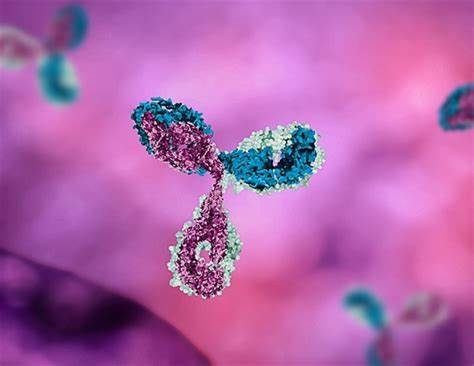
The article describes a new study that has revealed type 2 memory B cells (MBC2s), a specific type of immune cells, to be the cause of persistent allergies. These cells are ready to make antibodies, especially IgE antibodies, which are crucial in allergic responses, and they also maintain the memory of proteins that cause allergic reactions. The identification of these cells provides fresh insights on allergies and may even lead to their treatment. MBC2s and their role in allergens were independently discovered by two different study teams. Joshua Koenig, an immunologist, and his associates studied allergy sufferers' immune cells and identified MBC2s, which generate allergen-specific IgE antibodies. In the same way, Maria Curotto de Lafaille's group discovered a link between children's peanut allergies and the quantity of type 2 memory B cells.

This study is interesting because it emphasizes important developments in allergy research, especially in figuring out which immune cells are specifically in charge of sustaining persistent allergies. It's an important breakthrough for immunology and gives millions of allergy sufferers around the world hope.


Sources:

https://www.sciencenews.org/article/immune-cells-remember-allergies 

https://pubmed.ncbi.nlm.nih.gov/38324637/ 

Saturday, November 11, 2023

Allergic responses to common foods could increase risk of heart disease


New research suggests that sensitivity to common food allergens, such as dairy and peanuts, may be an unrecognized and significant cause of heart disease. This can even affect individuals without obvious food allergies. The study by UVA Health scientists found that people who produced antibodies, specifically IgE (Immunoglobulin E) antibodies in response to dairy, were at an increased risk of cardiovascular-related death. About fifteen of adults produce IgE antibodies in response to foods such as cow's milk and peanuts. This risk remained the same even after taking into factor the traditional heart disease risk factors like smoking, high blood pressure, and diabetes. The strongest association was observed with cow's milk, but allergens like peanuts and shrimp also showed a notable link to increased cardiovascular death. While the research does not fully prove that food antibodies cause the risk, it builds on previous studies connecting allergic inflammation to heart disease, suggesting that even silent immune responses to food might lead to chronic inflammation and heart-related problems.

The findings are raising interesting questions about the potential impact of food allergies on heart health. While the link between food antibodies and cardiovascular mortality is a significant discovery, many questions remain unanswered. It is unclear whether other genetic or environmental factors play a role in this connection and more studies are necessary in order to take action. The researchers hope that in the future blood tests could help provide personalized information about a heart-healthy diet, but this is still a subject of ongoing exploration.


Links

-Allergic responses to common foods could significantly increase risk of heart disease, cardiovascular death | ScienceDaily

New study links food allergies to increased risk of heart disease death (news-medical.net)

Thursday, April 12, 2018

Study Finds:Food Allergy Linked to Skin Exposure and Genetics

Newborn child and youth nourishment sensitivity has now been connected to a blend of ecological and hereditary variables that must exist together to trigger the hypersensitivity, reports another investigation. Those variables incorporate hereditary qualities that adjust skin retentiveness, utilization of newborn child purifying wipes that leave cleanser on the skin, skin introduction to allergens in tidy and skin presentation to nourishment from those giving baby mind. The uplifting news is factors prompting sustenance sensitivity can be changed in the home condition.


Nourishment hypersensitivities are on the ascent and influence an expected 4 to 6 percent of youngsters in the U.S., as indicated by the Centers for Disease Control and Prevention. The pervasiveness of revealed nourishment sensitivity expanded 18 percent among youngsters under age 18 years from 1997 to 2007. Late information additionally demonstrate hospitalizations with analyze identified with nourishment hypersensitivities have expanded among youngsters.


Image result for home allergy

To peruse the total article look at the connections appended beneath :) 
Links: 1 & 2


Tuesday, December 12, 2017

How the EMSY Gene Can Be Connected With Peanut Allergies!


In the article "New Genetic Clue to Peanut Allergy", Canadian scientists reveal a study they have been working on that pinpoints a new gene that is associated with peanut allergy.  At the University of British Columbia, they have provided further evidence towards the discovery of how genes play a role in food allergies.  Within this study, they found that the gene c11orf30/EMSY (or the EMSY gene), is one of the protein coding genes that indeed is connected to peanut allergies.  This EMSY gene has already been known to play a role in conditions such as asthma and eczema, but it just opened a whole new window into the study of how allergies are brought up in the human body.

Allergies have been found to be caused by environmental factors AND genetic factors, leading geneticists to be able to form new treatments for people suffering with allergic conditions such as peanut allergies.  I think this is amazing because these allergies are becoming more common and more dangerous.  I know so many people with a list of allergies, as well as eczema and asthma.  Research like this is necessary in order to be able to benefit peoples lives who are dealing with allergies each and every day.

https://www.sciencedaily.com/releases/2017/10/171011120406.htm
http://www.genecards.org/cgi-bin/carddisp.pl?gene=EMSY