Showing posts with label #Detection. Show all posts

Wednesday, December 11, 2024

Irregular Prenatal Test Results Found to Indicate Cancers

A study published by The New England Journal of Medicine found that in a test meant to screen for fetal chromosomal abnormalities, individuals receiving unusual results were found to have specific types of cancer. This unusual identification is peculiar most notably as the individuals involved in the use of these prenatal tests are typically young, so identifying cancers within that age range at all is very uncommon. Although these rare, abnormal results are exceedingly infrequent, within the group of women who received these specific results nearly 50% were currently affected by (primarily) Lymphoma Colon, or Breast cancer, among others. Typically these unusual and “indecipherable” results occur in around one out of over 8000 tests performed. 


Studies such as these that discover utility associated with previously nonsensical data sets are always exceedingly intriguing. Not only does a functional discovery for erroneous data resolve the irregularities found with certain tests, which may previously have been considered a factor of inaccuracy, but this also provides alternative methods to use specific tests already manufactured on a significant scale, making modification and production of alternative test-types a viable and simple process.


Links:


https://www.science.org/content/article/unusual-genetic-results-prenatal-tests-can-also-flag-cancers-mom


https://www.nih.gov/news-events/news-releases/abnormal-prenatal-blood-test-results-could-indicate-hidden-maternal-cancers#:~:text=Researchers%20at%20the%20National%20Institutes,chromosomal%20disorders%20in%20the%20fetus.


Monday, November 19, 2018

A New Approach to Detecting Cancer Earlier From Blood Tests

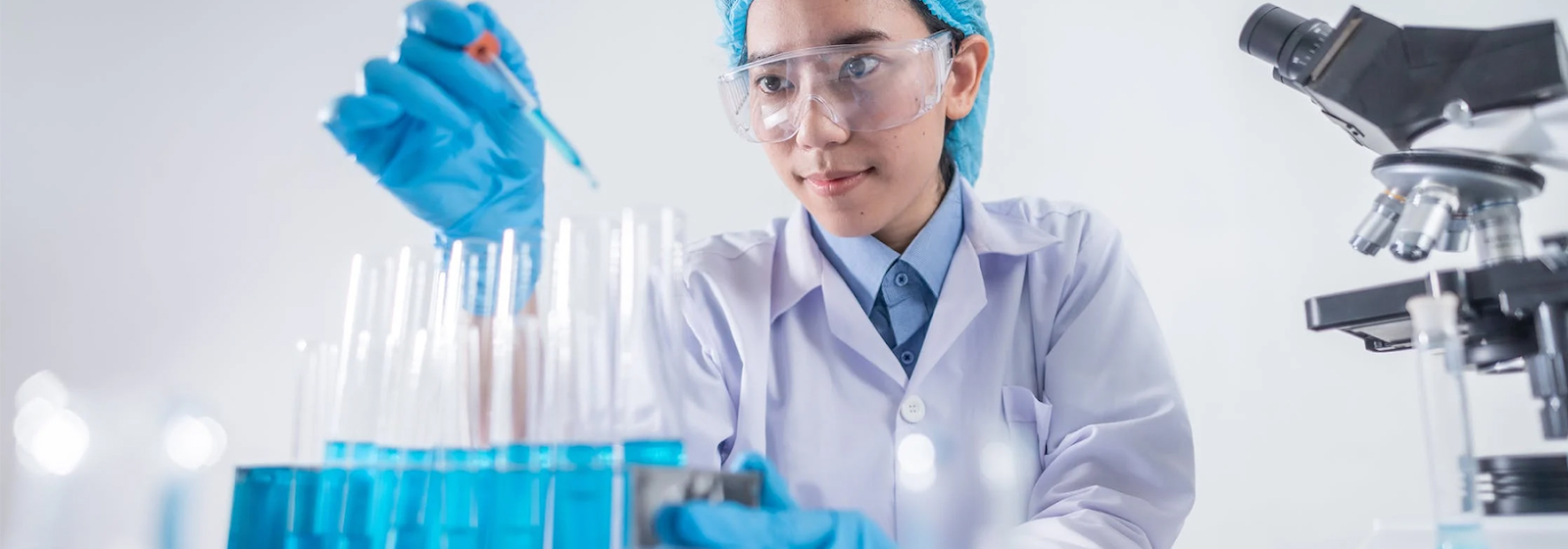
        Dr. Daniel De Carvalho an immunologist at Princess Margaret Cancer Centre located in Toronto, Ontario, has had scientists working hard to use "liquid biopsy's", such as blood tests, for epigenetic alterations to detect cancer in its earliest stages, enabling early treatment.  Dr. Carvalho describes that they are able to detect cancer at its earliest stages allowing patients easier treatment and no suffering.  This is done by profiling epigenetic alterations instead of its mutations.  This allowed the scientists to discover thousands of modifications specific to each type of cancer there is.  The scientists then used machine learning to be able to identify DNA present in cancer.  It is then able to use the blood sample to determine what cancer type is prevalent.  
          
  
            The scientists used 300 patients tumor samples and tracked the origin of their cancers and compared them to "samples from healthy donors with the analysis of cel-free DNA circulating in the blood plasma.  In every sample, the "floating" plasma DNA matched the tumor DNA.  The team has since expanded the research and has now profiled and successfully matched more than 700 tour and blood samples from more cancer types."  (University Health Network)  Some cancer types include lung, pancreatic, colorectal, breast, leukemia, bladder, and kidney cancer.  
             To further the study and expand their horizons they want to use a large populations blood samples that have been collected for months before they could detect it with cancer.  This will advance their abilities in cancer screening.  The biggest issue has been finding a way to detect cancer early enough, so that it can be treated quickly without further symptoms occurring, and hopefully this is the answer to all of our problems.