Showing posts with label " "#Inheritance. Show all posts

Wednesday, April 29, 2026

Genetic Links to Hereditary Blindness Shared by People and Monkeys


https://www.ucdavis.edu/news/identifying-genetic-causes-blindness-people-and-macaques 

https://www.nei.nih.gov/research-and-training/research-news/discovery-monkeys-could-lead-treatment-blindness-causing-syndrome 


Researchers at UC Davis have located a genetic mutation in rhesus macaques, a species of monkey primarily found in Asia, that is identical to a form of blindness found in humans.  The condition found in humans is called Autosomal Dominant Optic Atrophy pr ADOA for short.  Researchers discovered that the OPA1 gene in some macaques had mutated.  This mutation causes these monkeys to suffer from progressive vision loss and eye abnormalities that mirror ADOA symptoms.  Due to primates close relation to humans, these macaques can be used as a biological model to test treatments and therapies.  Finding a cure for these monkeys could lead humanity to a permanent cure for blindness through gene therapies and other medical treatments.  

Monday, December 8, 2025

Why does the sun make you sneeze?


    There are certain traits that you might not expect to be genetic. One of those things being sneezing when you see bright lights. Although it is harmless, it is a very interesting trait to have and also pretty common. This symptom comes from the Photic sneeze reflex which is known as ACHOO syndrome.  

    ACHOO syndrome is inherited in an autosomal dominant manner. This means that there only needs to be one mutated gene. If one parent has this trait, there is a 50% likely chance that their child will have this trait as well. Although it is not known what directly what causes this because sneezing as we know it is due to infections or irritants, but bright lights will not classify as either of those things. But it is a common thig. In fact, almost 15% to 30% of people sneeze due to light exposure. Studies show that this trait is mostly seen in Caucasian females. 

    If you notice that you sneeze due to light exposure or specifically if you look up at the sun, there is not needed to panic. it is a common, harmless trait to have. If you do sneeze in light, some recommend doing an experiment with your family in order to see if they will sneeze as well. It should not come as if either of your parents do this because it is inherited! 


Links:

ACHOO Syndrome - Medical Genetics Summaries - NCBI Bookshelf

Why Does the Sun Make Some People Sneeze? - FOCUS

Monday, November 24, 2025

The Relation of Tooth Shape and Genetics


A study published in the journal Current Biology found that there are a group of genes that influence the shape of one's teeth. Interestingly, one of those genes can be linked to being inherited from Neandethals.

If you look carefully, you might be able to notice that the people in your life have similar or differing tooth shapes depending on their ethnic background. This study shows that that observation can actually be backed by science. 

17 new genes were discovered to have been linked to tooth development, with one being believed to derive from Neanderthals. The Neanderthal tooth gene was found to only impact those with European descent, displaying as teeth that are typically smaller and thinner, specifically the incisors, than other ethnic groups. It was also found that a gene that affects incossr shape in East Asians tends to affect the width as well.

I have actually noticed this myself. As someone with Asian descent, I have particularly thicker front teeth with a shallow cup shape on the posterior side, rather than completely flat teeth.

While fun and interesting, this new information on the genes that influence tooth shape can actually go as far as to aide in overall dental understanding and improving dental care. For instance, particularly difficult dental issues could possibly undergo genetic testing and be treated using gene therapies aimed at the particular tooth gene that is affected. 

There is still much to learn about the genetics of tooth formation, but these findings help us better understand human evolution and possibly find better treatments to existing dental issues.

New Article Source: https://www.usnews.com/news/health-news/articles/2024-12-17/scientists-identify-genes-that-shape-peoples-teeth

More on Genetics and Oral Health: https://www.ada.org/resources/ada-library/oral-health-topics/genetics-and-oral-health


Tuesday, February 20, 2024

Does Depression Result From Genetics?

 Article Link: https://fherehab.com/learning/factors-increase-genetic-predisposition-mental-health/ 

Additional Link: https://www.verywellmind.com/common-causes-of-depression-1066772 

Have you ever heard the phrase, “depression runs in the family?” The 2021 article posted on FHE Health states that Mental illness is a biopsychosocial disease that has a strong genetic component. Even though the exact set of causes have yet to be determined, if a parent, sibling or grandparent is diagnosed with a mental illness, the likelihood of developing the same or similar kind of mental illness does increase. Genetic disorders appear when abnormalities happen in the person’s genome. These genetic disorders are inherited when a defective gene from both parents is passed to their children and then affect the child’s DNA. 

A study posted in 2018 determined that genetic mental health disorders such as autism, schizophrenia, ADHD, bipolar disorder and depression are traceable to certain inherited gene variations. Functional magnetic resonance imaging scans showed that people with the genetic variation occurring in the serotonin transporter gene demonstrated hyperactivity in a brain area that processes anxiety and fear. This genetic variation is involved in brain cell signaling and communication. However, for depression the association to having this mental illness and its traces of heritability are still unclear. There’s ongoing research which supports the theory that the interaction between genetic and environmental factors increase a person’s chance of developing depression. 

It is very interesting to hear about the science of mental illness and how some mental disorders can be traced back to the individual's inherited genes. I am wondering what further research can be done to further understand the correlation between genetics and mental health. 


Sunday, August 6, 2023

Families With Multiple Cases Give Clues To Autism Origin


 A study was conducted on over 4,500 people from over 1,000 families that have at least two children diagnosed with Autism. The study included over 1,800 children diagnosed with autism and over 400 children that did not have an autism diagnosis. Seven genes (PLEKHA8, PRR25, FBXL13, VPS54, SLFN5, SNCAIP, and TGM1) that increased the risk of autism were found which were inherited from a rare DNA variation transmitted from parent to offspring. A combination of common inherited variations (polygenic risk)  that increased autism likelihood were also examined. It was shown that offspring who inherited the rare mutation from unaffected parents in combination with the polygenic risk had a higher risk for having autism. The study also found that there is an effect of the genes that cause a developmental effect which delays speech. The pattern was only specific to autism and it suggests that there is a link between the genetic risk for autism and speech delay, which suggests that language delay is a core component of autism. 

Sunday, August 9, 2020

Will your brain stay sharp into your 90s? Certain factors are key.


Can some of us stay sharp during our 90’s? This is a question that researches sought to answer. I remember an interview done by the astrophysicist Neil DeGrasse Tyson to Steven Hawking. During the interview one question got my attention, he asked him what his biggest fear in life was. Hawking responded to lose his mental capacity. For Hawking, he didn’t care much about any other competence but to think critically every day. Beth Snitz a professor of neurology at the University of Pittsburg decided to study what seems to protect us from disease and impairment in our 90s. Her team found that people whose scores were usually normal on thinking and memory test are less likely to have problems with their thinking skills even if they contain amyloid protein plaques (linked to Alzheimer’s disease). Another finding was those with APOE 2 gene mutations were tied to have a lower risk of Alzheimer's disease because they were less likely to develop amyloid plaques as compared to other people who did not have this mutation. Another interesting link to mental deficit was people who suffered from high pulse pressure were linked to an increase in plaques, this is because as you get older the pulse pressure gets higher and is a sign of the blood vessels aging. Overall, our brain is an incredible organ that contains many mysteries in which I hope our scientific community can discover in the future.

Monday, August 3, 2020

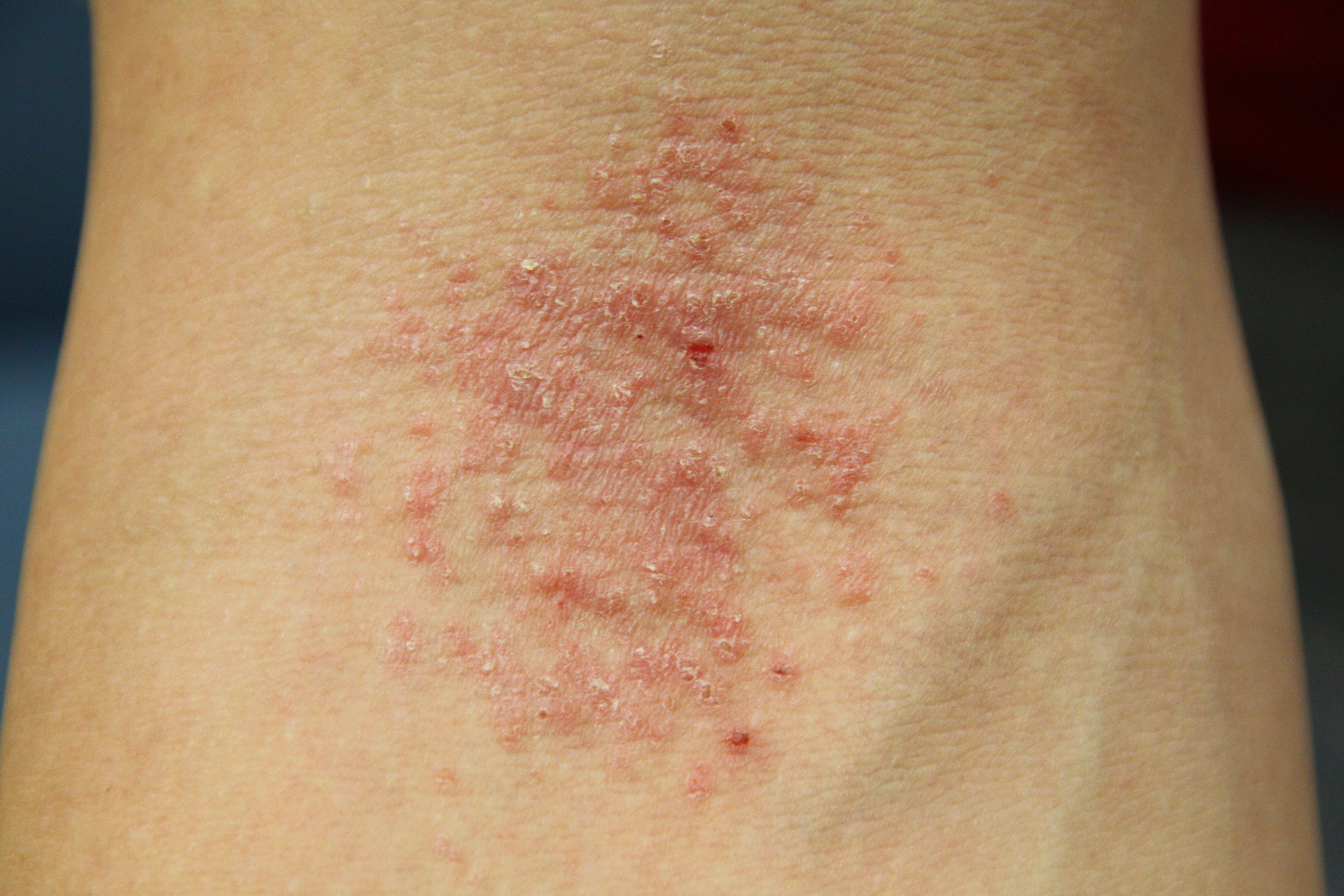
Gene defects linked to eczema, wheeze, and nasal disease among babies

See the source image
 
     A link has been discovered between a common gene defect and eczema, nasal blockage, and wheeze among babies as young as six months old. Filaggrin is a protein that is present in the skin and nasal cavity and helps maintain the skin barrier. Previous studies has shown that defects in the gene synthesizing filaggrin are strongly linked to developing eczema and how serious eczema and asthma get over childhood and throughout life. 
     Some of the babies with these gene defects could be getting primed from birth or soon after for a life of suffering from allergy related disease. The GO-CHILD study recruited 2312 pregnant women in England and Scotland who gave a cord blood sample at birth or saliva in infancy for genotyping of babies. A letter was sent out as a follow up for symptoms such as dry skin, eczema, and nasal blockage ar 6, 12, and 24 months. Gene defects made eczema, wheeze, and nasal blockage worse at 6 months. Defects were affecting eczema at one year but weren't worsening wheeze or nasal blockage. At two years, eczema and nasal blockage worsened, but wheeze didn't. The use of simple emollients from birth targeted towards those who have these gene defects may help correct this problem, alleviating suffering in infancy and life. Since some aren't affected, a defective outer barrier in skin and mouth could make some babies more vulnerable than others. 


Sunday, August 2, 2020

Can’t Sleep? Could be Down to Genetics


    People normally sleep for about 229,961 hours or on average about one third of their lifetime. Although people with sleeping disorders usually sleep less than that compared to the average person. The statistics of people with insomnia are on the rise about one in three people have insomnia this is a 10% increase from many years ago. For a long time doctors have been trying to find cures and prevent this from happening without having an exact cause of why this is happening. In recent research researches have found a genetic link from sleep disorders such as insomnia to physical and psychiatric issues. In this study lead by Murray Stein, DNA was taken from various soldiers. To not only confirm that sleep issues are hereditary but they also are linked to physical and psychiatric issues going on with ones body.


Article: https://www.sciencedaily.com/releases/2018/03/180309095520.htm

Related Article: https://www.mayoclinic.org/diseases-conditions/sleep-disorders/symptoms-causes/syc-20354018

Monday, July 27, 2020

APOE4 Gene holder may be at a higher risk of contracting COVID-19


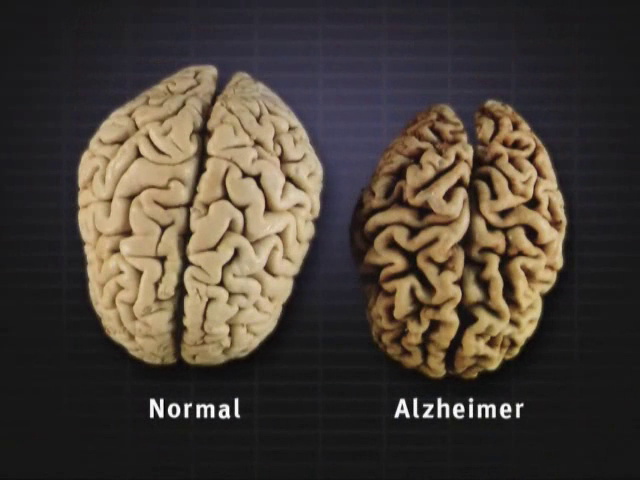
Video - Normal Brain vs. Alzheimer's
Researchers have recently discovered that a genetic variant that raises the risk of developing Alzheimer disease may also increase the dangers of COVID-19. They have discovered that a version of APOE gene called APOE4 in patients were more likely to test positive for COVID-19 than the APOE3 version. Studies have been also conducted with patients who have dementia that contracted the virus to show more serve symptoms or die, then further studies confirmed that the APOE4 showed a increase of serverity when contracted with COVID-19 than APOE3."Among nearly 400,000 participants in the large genetic database called the UK Biobank, only 3 percent have two copies of APOE4, while 69 percent have two copies of APOE3. The remainder have one of each version. But the APOE4 version was more common than expected among people diagnosed with COVID-19, the study found. Of 622 people who tested positive for the coronavirus, 37 had two copies of APOE4. On a population scale, that means about 410 of every 100,000 people with two copies of that version of the gene would test positive, the researchers calculate. That compares with 179 of every 100,000 people with two copies of APOE3 testing positive. "[1]
The APOE is a protein that is involved in the metabolism of fats in the body. When a person has the APO4 gene they risk of having a number of protein clumps in the brain tissue, which would cause Alzheimer and dementia. The APOE also helps the immune system suppress T cell proliferaiton and neutrophil act. This may be the reason of the rise of COVID-19 contraction in patients with APOE4 being at much more risk in contracting and severity of symptoms but more studies would need to be conducted in order to support the claim.

Tuesday, July 21, 2020

Scientists identify gene linked to thinness that may help resist weight gain


See the source image


     In a study in the journal Cell, researchers use a genetic database of 47,000 individuals in Estonia to identify a gene linked to thinness that may play a role in resisting weight gain in metabolic healthy thin people.
     Genetic variants in the ALK gene unique to thin individuals were found when DNA samples and clinical data of healthy thin individuals were compares. ALK gene usually mutates in carious types of cancers, but it's role outside of cancer is unclear. Mice with deleted ALK had lower body weight and body fat. It was suggested that ALK plays a part in the brain by instructing fat tissues to burn more fat from food.
     ALK inhibitors are used in cancer treatments. Shutting down or reducing function of ALK could help cure cancers and promote thinness. A limitation is that biobanks that collect biological medical data and tissue samples don't have a universal standard in data collection, so it makes comparability a challenge to confirm findings.

https://www.sciencedaily.com/releases/2020/05/200521112617.htm
https://newatlas.com/science/gene-variant-skinny-thin-alk-inhibit/

Wednesday, December 4, 2019

The study of human heredity got its start in insane asylums


Article: https://www.sciencenews.org/article/study-human-heredity-got-its-start-insane-asylums
Relating Article: https://www.nature.com/articles/d41586-018-05313-8


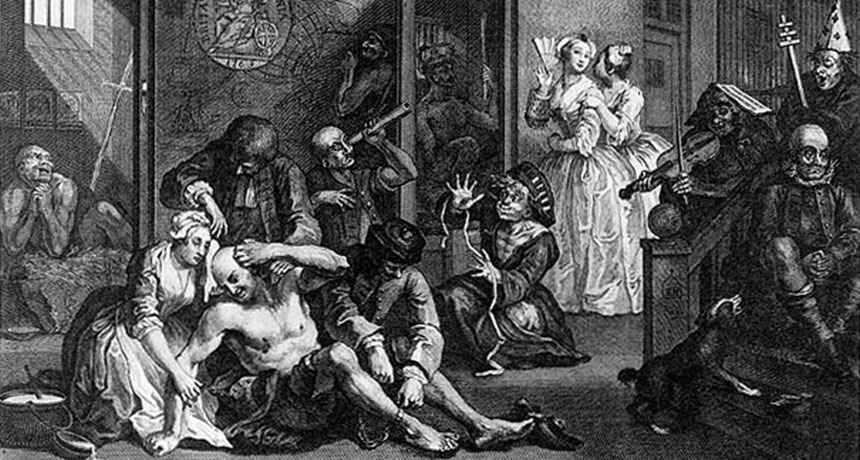
King George III's descent into madness sparked efforts to untangle the inheritance of mental illness by analyzing patient records at insane asylums as depicted in the above photo representing London's Bethiem Hospital in 1735.
The study of heredity emerged as an international endevour to mine data for associations to explain mental illness. It started with good intentions. Many asylum founders of the late 18th and early 19th centuries hoped to cure people of mental illness through a humane, psychosocial "moral therapy". At first, asylums claimed absurdly high 'cure' rates. Reports of 50% were routine. However by the mid-nineteenth century, asylum directors realized that they could simply say that although a cure seems distant, statistical patterns discovered in ever-larger study populations will one day reveal a cause, and a cure will follow. People bought it and asylum science grew. Eventually, having eliminating previous known causes for mental illness, scientist fixed on the patients' pedigrees. They promised to find more data and genes for diseases. After the 1927 Supreme Court decision Buck v. bell, the US programs forced sterilization on tens of thousands of people deemed mentally deficient. They launched their wider programs by gathering more than 10,000 people from asylums all over southern Germany.


This was a very interesting article to have read. These connections made so early on in history paved the way for future research. These connections are roots to today's genomics industry the tree. In the article it states that some will reject this idea, however the author of this article suspects that there is well-documented evidence to prove this making it difficult to dismiss.


Wednesday, April 3, 2019

Eye Color; Myths of Genetics

There are many myths regarding genetics and inheritable traits. Even when most of them have been clarified, people are still confused about some patterns of heredity. One of the most popular myths of genetics is eye color, specially those in the blue category since it is less common.
People used to believe that eye color were single genes, and that blue is a recessive allele of other non-blue eye colors like greens and browns. A research on myths of human genetics by John McDonald notes that eye color is not a simple hereditary trait, in fact there is at least 12 genes involved and phenotypes vary not only with the genes themselves but also with the interactions with each other.

Heterochromia: Different pigmentation/concentration of melanin.
Many articles explain that the coloration of the eyes is mainly based on the presence and absence of melanin, and that essentially there is only one eye color, brown; other colors are a product of reflection and absorption of light. Melanin is a brown pigment that absorbs light; in blue eyes, there is less melanin thus more light is reflected. For eye color, there are genes that determine the melanin's quality, quantity, dispersion, concentration, etc. Other factors like the amount of collagen in the iris and blood vessels can also affect the color expressed. Eye color is still believed to be genetic but is more complicated than simple dominant-recessive alleles.

Monday, April 1, 2019

Genetic Diversity in Dogs to Save a Breed

Eleanor Cummins in To Save a Dog Breed, Change It has found that a rare breed out of Norway called Norwegian Lundehund which was used for hunting puffins, had six toes to be able to grasp rocks and mountains but was also able to bend its neck backwards to fit into small caves. In the 1960s there were only five dogs left due to them catching canine distemper, which is fatal.Since so many Norwegians thought of the dog as a national symbol they built the population to a few hundred but it was done by inbreeding. 87% of the genes of the dogs came from the same genetic pool, so many of these dogs had health issues such as stomach cancer and skin conditions. To increase their genetic diversity, breeders had begun breeding with similar dogs that produce ones that look like the Lundehunds. Cummins has a one year old mix of a Lundehund and a Norwegian buhund, but the puppy is still too young to see if he will have the issues like a Lundehund. Many purebred enthusiasts do not agree with intermixing the breeds, but the distinct traits of the Lundehund are still produced.

Inbreeding causes so many issues for dogs and it is usually due to humans getting involved to keep the breed around. I agree that intermixing was the correct thing to do, even though it is no longer a purebred, the dogs have similar qualities and will live a healthier and happier life.  The intermixing will keep the people who want Lundehunds happy but also produce healthier dogs.
Norwegian Lundehund sitting facing forward, head turned slightly left

Saturday, December 8, 2018

Bringing genetics into trans identity is a terrifying path

A person carrying a trans flag
this article talks of, how they are researching and looking into the correlations of genes and trans identity. the concerns of such studies may effect people who see that their potential child has a similar correlation of genes then the parents would terminate because the fetus had undesirable genes, which arose the fear of a similar situation like the Nazis Eugenics. Casey, a representative of the Zoe Belle Gender Collective, shared concern saying it is history repeating itself like it did when geneticists were on a hunt for 'the gay gene'. this article brings up a lot of how science is advancing but its a dangerous advancement, it could potentially mean fetuses being terminated because they 'might' be trans or gay which spreads more hate amongst community.

https://www.theguardian.com/commentisfree/2018/nov/23/bringing-genetics-into-trans-identity-is-a-terrifying-path
the gay gene
https://www.ncbi.nlm.nih.gov/pubmed/22720828

Wednesday, December 5, 2018

Fathers genes determine sex

 
A study done at Newcastle University by Corry Gellatly studied 927 family trees containing 556,387 people from North America and Europe. The studied showed that men are more likely to have daughters if they have more sisters and more likely to have sons if they have more brothers. The study also suggests that there is an undiscovered gene that controls whether a mans sperm contains more X or Y chromosomes, which would affect the sex of his children.

Gellatly demonstrated that men carry 2 different types of alleles that result in three possible combinations in a gene that controls the ratio of X and Y in sperm. The three possibilities is mm, which produces more Y sperm so have produce sons, mf, which produces an equal number of X and Y sperm and produce an equal number of sons and daughters, and ff, which produces more x sperm so produce more daughters. This gene is passed on from both parents so, this explains why this is roughly an equal amount of men and women throughout the population. If there are to many men, females can find a mate easier so men with more daughters will pass on more of their genes, causing more females to be produced in later generations. This gene could also explain why there is an increase of boys born after wars and an increase of boys in the population in general because more males die in childhood.

This study is a good way of understating the ratio of males and females in our populations. It can also be used to understand how mass events such as war effects the ratios in our population as well, which could help populations overcome drops in either females or males. It could also be helpful in genetic consulting because if a couple if trying to have either a boy or a girl they can look at their family pedigrees and determine if they are more likely to have a boy or a girl.   

Saturday, November 24, 2018

Free Genomic Sequencing?

Genetic sequencing has certainly had many advancements since the beginning. Surprisingly, it has progressed so far that the start-up company Nebula Genomics even claims to hopefully sequence an individual’s entire genome for free. Unfortunately, nothing is ever truly free. The catch is that this usually costly procedure will only be free to those who are willing to share both their genomic and medical history. By accepting these terms and conditions the participant’s information will then help create a baseline and establish a reference population.
Aside from cost, the main concern that often influences one’s willingness to take part in the study is the level of privacy they will receive after disclosing this information. To alleviate worries, Nebula enforces the key difference of what sets them aside from other companies. To securely store information this company uses blockchain, which is a ledger system that functions on a distributed network, opposed to the common used centralized network. Nevertheless, this will network change only improves data encryption. In theory, if a warrant is obtained by federal authorities the genetic code could be obtained to be used in similar cases such as the Golden State Killer in Washington State.
Personally, I feel as if over time this company could be helpful for gathering more data will allow scientists to continue to study how genes function and what roles they play in diseases. Even though Nebula, strictly enforces the idea that their services should not be used as a sole factor for predicting medical risks, there will always be individuals who take their results too seriously. Unfortunately, when providing a service like this it may often cause controversy, but in actuality, one should be reminded that this process truly is voluntary. 


Monday, October 29, 2018

Sheep Underdogs are Better Survivors

When it comes to the rate of survival, usually it is the more dominant, larger, and bigger animals to out survive their weaker .  In the case of the Soay sheep in the Scottish island, it's actually the other way around.  After being studied for the past 20 years without any intervention from scientists, researchers have been tracking the herds of these animals, noting their coat color, size, and reproduction rates and found that the recessive gene sheep are surviving better than their dominant counterparts.
On this island, there are two types of sheep - light coats and dark coats.  Since the sheep with the dark coats are born with the dominant trait, they also are born with bigger, stronger bodies.  However,  when born with the dark coat, they also retain the gene that leads to low reproductive rates and survival rates among juvenile sheep.
To have a dominant, dark coated offspring means that at least one of the parents must have the dominant trait as well.  Having the dark coat gene will override any recessive gene present, in this case the light coat color, and make the offspring heterozygous, meaning that they are born with both traits but only the
dominant phenotypic trait shows.  In order to produce a light coat sheep, both parents must be light coat or be heterozygous for the gene.  It was also studied that sheep being homozygous, or having two copies of the same gene, have the lowest rate or reproduction, heterozygous dark sheep had a medium rate of reproduction, and homozygous recessive sheep had the highest rates.
Evidently, it pays off to have the recessive gene on this island of sheep, however the ratio between the light and dark coat sheep is not what is expected.  The current ratio is 3 dark sheep to 1 light sheep, which follows along with the Punnet's ratio of 3 dominant:1 recessive between heterozygous matings.  But after learning that the light coat sheep have better rates of survival, I believed that this ratio would actually favor the light sheep rather than the dominant dark sheep.  This can be seen as another example proving the 3:1 ratio, despite the reproductive rates of the animals.

Thursday, July 19, 2018

The Study of Human Heredity Got Its Start in Insane Asylums


After King George III spiraled into insanity in 1789, the study of human heredity began. Research began at England's insane asylums. This was well before DNA was discovered so to study heredity, people kept records and performed statistical calculations. Family history in madness, disability, and crime were recorded for those in asylums. Physicians considered severe mental deficits as a disease and efforts to find relatives of the sick were put into place. The number of patients institutionalized increased and discouraged the "sick" from reproducing. Ludvig Dahl published family pedigrees of mental illness in 1859 using detailed census records. Dahl helped to lay the groundwork to launch the eugenics movement by 1900. After Mendel's work with peas, eugenicists’ hoped that people inherited mental illness the same way peas inherit smooth or wrinkled skin. This idea was rejected in 1920. German researchers began to collect data on family traits of asylum patients which was later expanded by the Nazi's. This is all discussed in a book called "Genetics in the Madhouse", by Theodore M. Porter. 

After coming across this article, I instantly became interested in reading this book. It's fascinating how far we have come from these times. After discovering DNA, it helped us understand genetics and heredity. The science behind genetics today is so much different from what they believed it was back then. It makes me wonder how much more we will learn in the future and if anything we believe today will be proven wrong in years to come. 

Link to original article
Link to related article

Friday, May 4, 2018

The Musicality of Genetics

When Bartolomeo Cristofori invented the first Piano in 1655, music would forever be changed. The complex hand-eye coordination and muscle memory needed to play the piano is unprecedented and takes years to master, let alone learn. It is thought that the ability to learn, play, and understand music was genetically inherited; that the musically inclined have a gene needed to play such classics such as Bach and Chopin.

Dexterity and music ability are not necessarily inherent. One study found that about 50% of a 224 sample were found to be musically inclined. They were given standard musical aptitude tests that were designed to identify musical pitch and tone. Such an ability may seem trivial, but genetically, it can be found in almost anyone ranging from complete amateurs to people who have a background in music. Several DNA sequences were actually identified from the study and were correlated with music ability. One such sequence involved the hairs within a human ear in which vibrations could ascertain different pitch and sounds. It is still not conclusive to say genetics and music are inherent, since I play multiple instruments, and my family family struggles to even understand what they hear, but some generalizations on nature rather than nurture can be made. 


Saturday, March 24, 2018

Siblings Have Different DNA Ancestry

Image result for siblings

Two siblings decided to have their ancestry traced using their DNA.  They got the results back and one was 13 percent genetically from Italy and Greece, whereas the other sibling was 23 percent of the same genetic ancestry. A big question came up as how to how where they different when they have the same parents.
Genetic recombination can be thanked for this difference.  Each egg and sperm can contain different variations of the genes. When DNA is sent away to one of the genetic testing centers, they only check a selected part of DNA and compare that to other groups of people with similar pieces.
That results in only about 50 percent of a siblings DNA actually being the same DNA that is being looked at in these tests.  But these tests can be telling you the truth about your ancestry, it should just be taken lightly because they're only comparing it to known groups of DNA that is known as of now.

https://news.nationalgeographic.com/2018/03/dna-ancestry-test-siblings-different-results-genetics-science/