Scientists at Johns Hopkins Medicine have taken an important step toward watching neurons communicate in real time. Using a clever “zap-and-freeze” approach, the research team was able to stop brain tissue—first in mice, then in human, at the exact moment one neuron sends a message to the next. Their findings, published in Neuron, give a rare glimpse into the split-second events at the synapse, the junction where most forms of Parkinson’s disease are thought to originate. Because synaptic disruptions drive the majority of Parkinson’s cases, being able to capture this process as it unfolds could bring researchers closer to understanding how communication starts to break down.
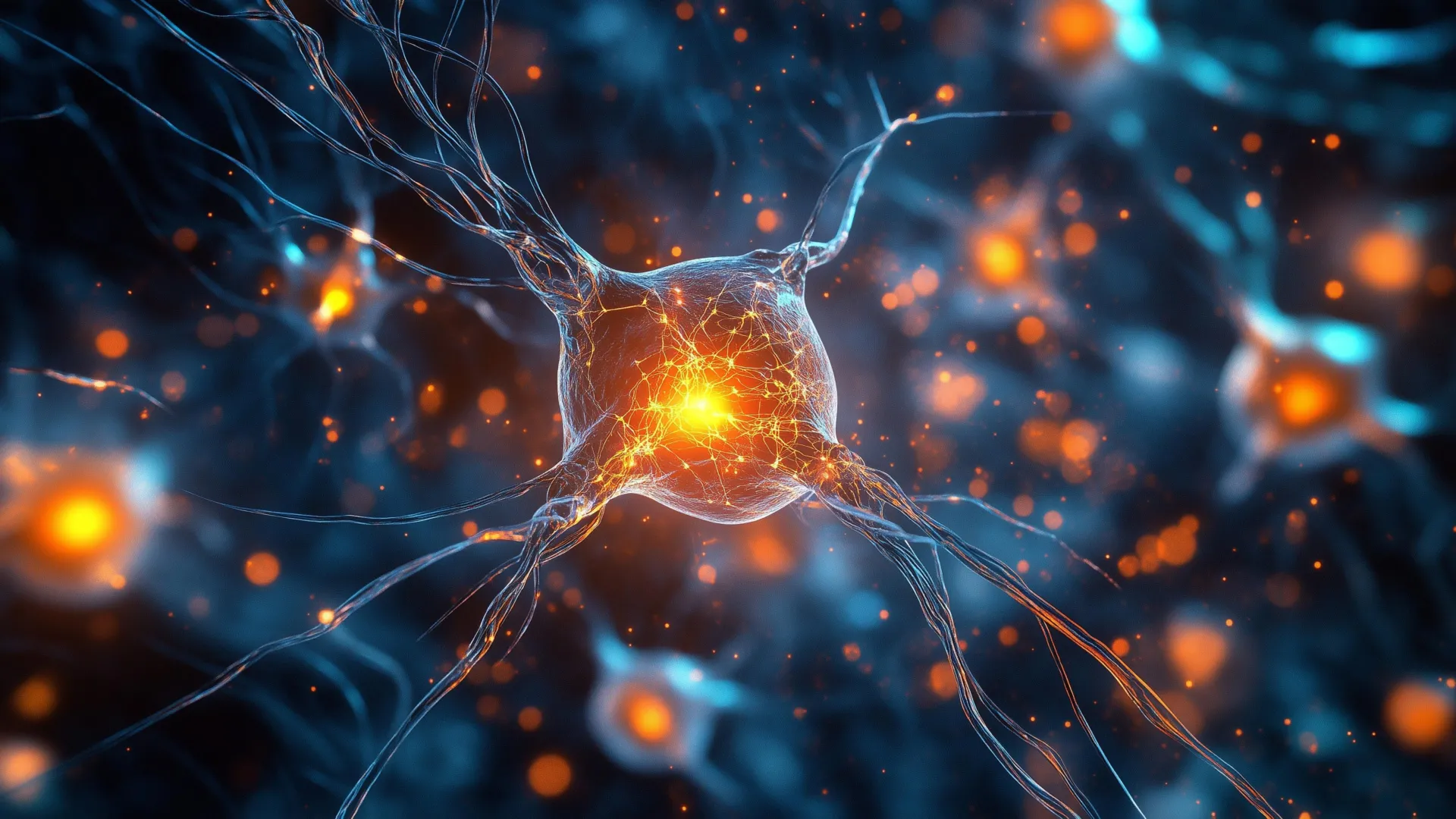
To test the method, the team stimulated neurons with a tiny electrical pulse and immediately froze the tissue, preserving every structure for analysis. Remarkably, samples taken from patients undergoing epilepsy surgery showed the same rapid recycling of synaptic vesicles that appeared in mice—including the presence of Dynamin1xA, a protein that enables ultrafast membrane recovery. This parallel between species reinforces the value of mouse models for human brain research. The researchers now hope to use zap-and-freeze on tissue from individuals with Parkinson’s disease, with the goal of pinpointing exactly how these shift in affected neurons and ultimately guiding new ideas.

I think this research is interesting because it allows scientists to see how neurons communicate in real time. The fact that both the mouse and the human brain samples reacted the same way makes the results much more believable, and it may be very helpful for discovering better treatment options for Parkinson's.
ReplyDeleteBeing able to see the same results with different species of animals is so fascinating. This could be such a huge step for treating Parkinson’s!
ReplyDelete