When Science Offers Hope! The Latest Huntington’s Discovery
Evgeniya Staleva
BIOL- 2100-001- Genetics
Professor Guy F. Barbato
December 2nd, 2025
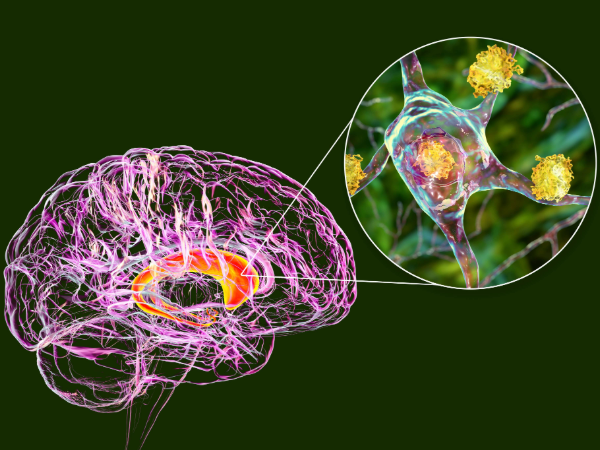
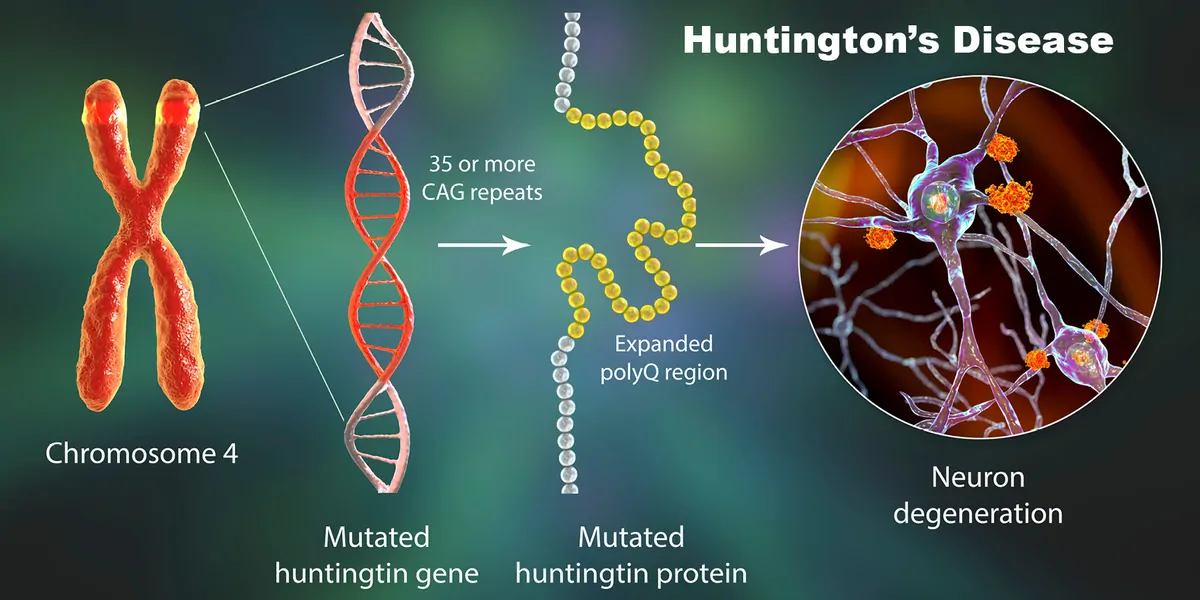
According to the article, the most recent gene therapy for Huntington's disease offers some optimism to patients of this degenerative disorder. It has been found that gene therapy, injected into the brain, slowed down the progression of symptoms by three-quarters in patients over three years. The treatment is aimed at attacking the symptoms of Huntington's disease caused by a protein known as Huntingtin. The mutation in the Huntington gene causes a protein to appear that kills the brain cells and causes Huntington's disease. Based on the initial findings of the study, it was the first study that report a high-level benefit of treatment in people with the disease.
However, the treatment is by no means risk-free. The surgery of going into the brain is associated with complications such as inflammation and pressure buildup within the brain itself. A small number of patients who took part in the trial experienced these side effects, but these side effects were resolved by medication or subsided without medication. According to some experts, the treatment is irreversible, and this treatment will have long-term side effects of which we are still unaware. Irrespective of these dangers, Huntington's disease can be slowed down with the help of therapy. Therefore, it may bring a little solace to patients and families for whom therapies fail.
This is a major breakthrough in the treatment of neurodegenerative diseases using this new gene therapy. Although the risks are present, the probability of such revolutionary treatment to transform the disease in Huntington is remarkable. In case it succeeds, it is possible to apply the same process to other disorders as well. There is a need to conduct more research and keep an eye on whether it is successful.
https://www.nytimes.com/2025/09/26/well/huntingtons-disease-treatment.html

Huntington's is such a scary disease. A parent being diagnosed with it, I feel like, can feel like a death sentence to some children. I think that this breakthrough offers a spot of relief for people enduring Huntington's.
ReplyDeleteEverything needs a start and this seems like a promising one. It definitely seems like more research needs to be done due to risks and long term effects but the possibility of a light at the end of the tunnel is just what some people need.
ReplyDeleteThis would definitely be a helpful procedure for patients with Huntington's! I can see why this would be such a risk for them, since any sort of surgery on the brain would come with high factors that need to be considered. I am interested to see the research as more testing is done.
ReplyDelete