The New York Times published an article this month highlighting a new and natural mosquito repellent called Metarhizium.Metarhizium is a fungus that is already used in pest control, but scientists have found a way to improve its function. Basically, they genetically engineer it to produce copious amounts of an irresistible-smelling substance that attracts mosquitos, and lace it in traps to attract and kill said mosquitos. When this experiment was performed in a lab, over half of the mosquitos were killed, providing a natural and cheap way to get rid of one of Earth's most annoying and dangerous bugs.
As someone who has always been plagued by mosquitos, this study is very interesting to me. I've tried many different bug sprays over the years, with varying amounts of effectiveness, but a natural mosquito trap that is actually more enticing to mosquitos than humans are is something that I had never heard of before now. Over time, everything evolves, and mosquitos have been evolving to become resistant to some bug sprays and other methods that are used. However, scientists see mosquitos as unlikely to evolve to become resistant to the Metarhizium because it's a natural way to kill them and can evolve with any resistance and not some man-made chemical bug spray. The article says that they have developed a new trap design and plan to test it outdoors soon, meaning that we might start to see these traps being able to be purchased in the future, assuming everything works out. Either way, I've been affected with mosquito bites my whole life, so I will definitely be keeping an eye on any development involved in getting rid of them, or at least deterring them for biting me.
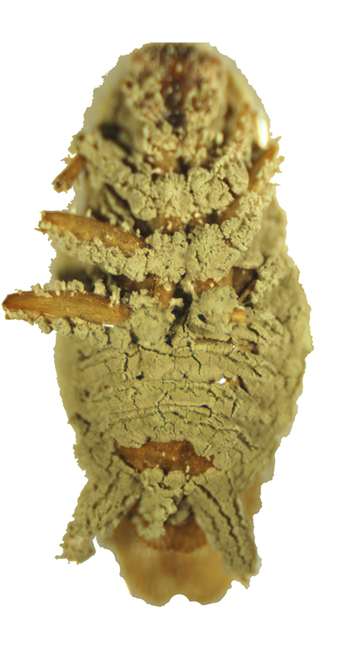

This is a really cool example of using genetics in a practical, everyday way. I didn’t realize Metarhizium could be engineered to produce scents that attract mosquitoes even more strongly than humans do; that alone makes it a huge improvement over traditional bug sprays. What makes it even more interesting is that the fungus is already part of natural pest control, so this approach avoids adding more chemical pesticides into the environment.
ReplyDeleteYour point about mosquito resistance is also important. Since mosquitoes can evolve resistance to chemical sprays pretty quickly, using a living fungus that can also evolve makes the system much more sustainable long-term. The lab results killing more than half the mosquitoes are pretty impressive, and seeing this tested outdoors will be a big step in proving whether it works in real-world settings.
As someone who also gets eaten alive by mosquitoes every summer, I’d definitely keep an eye on this too. A natural, affordable tool that targets mosquitoes more effectively than sprays would be a game-changer. Great post super interesting and easy to relate to!
This is an amazing break thru in helping keep the mosquito populations suppressed. Mosquitoes become resistant to manmade chemicals very easily, however these scientist have figured out a way to have a attractant grow in tandem with the mosquitoes so they don't become resistant to the scent. Hopefully someone can figure out a way to scale this into something that can be bought and produced easily and inexpensively that way the masses can get ahold of it.
ReplyDeleteHi Vince, this is such an exciting breakthrough! Everyone hates mosquitoes and I totally agree that often times I find that commercial bug sprays are not all that effective. I understand how mosquitoes would be unlikley to evolve immunity to this as it is kind of their natural "predator" as opposed to man-made chemicals. I also really like the idea of a natural repellent replacing a chemical one as they can be harmful to the enviroment, especially the aerosol sprays.
ReplyDelete