Showing posts with label viral RNA. Show all posts
Showing posts with label viral RNA. Show all posts
Wednesday, November 21, 2018
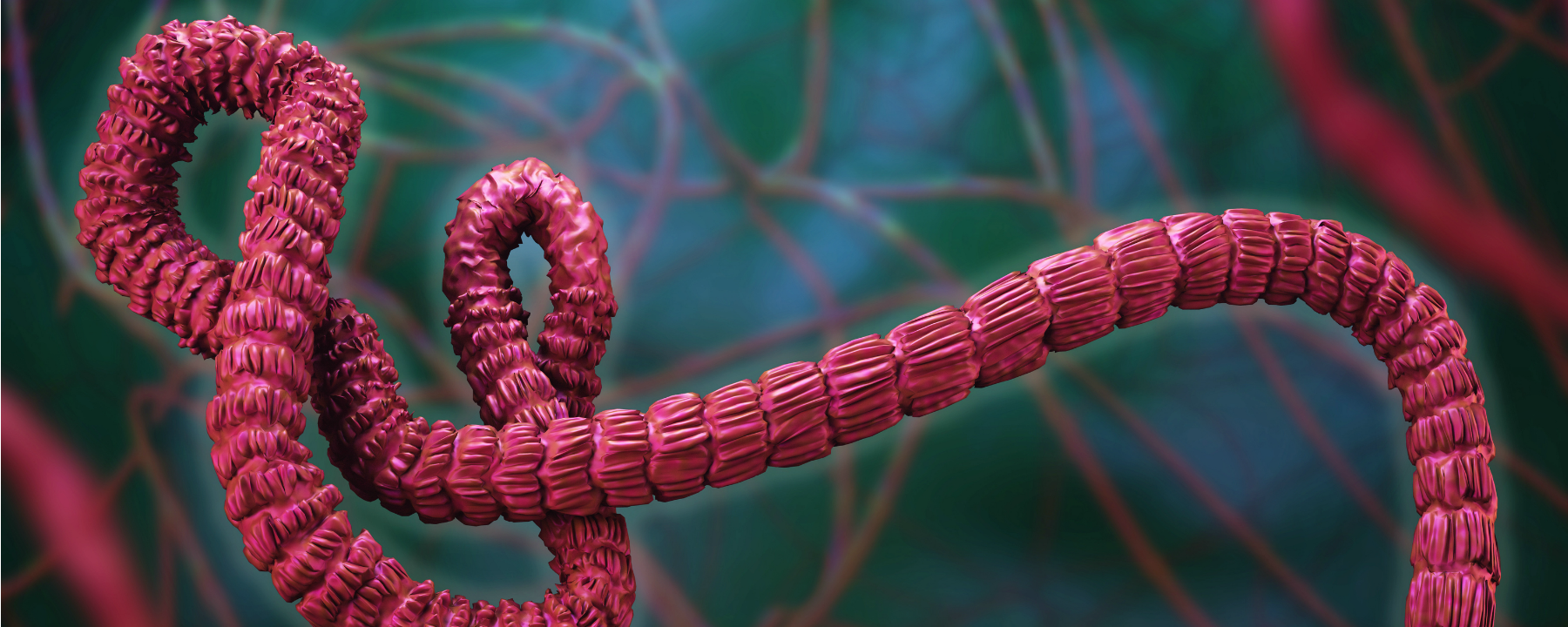
A Desperate Response to the West African Ebola Outbrake

Saturday, April 4, 2015
How Honey Bees Fight Infections
 |
| Bees in their hive |
According to an article in Science Daily, honey bees use a variation of genes to protect themselves against viruses. Each year, beekeepers lose approximately a third of their bees due to viral infections. Currently, there are no ways of preventing these infections but scientists have found that RNAi pathways can help combat these viruses. Researchers and beekeepers hope to synthesize RNAi because it effectively destroys viral RNA. If they are successful, they can help to save a large portion of bees lost every year.
This article helps to put things into perspective; while we look in fear at anti-biotic resistant viruses are creeping their ways into our hospitals, we forget that this is also happening to other organisms. It points out that as we create super bugs- viruses are changing in nature, independent of our anti-biotics and affecting other organisms. If the artificial RNAi is created for these viruses, what's stopping the viruses from evolving further?
Additional Link
Sunday, November 23, 2014
Flu virus key machine: First complete view of structure revealed
Link to the Article

Scientists at EMBL Grenoble have recently obtained a complete view of one of the flu virus' key machines, influenza virus polymerase. This allows scientists to finally understand how the machine works and could lead to new drugs being designed to stop influenza. The influenza virus polymerase copies the virus' genetic material to package into new viruses, and it reads out the instructions in that genetic material to make viral mRNA. The structures revealed shows how the polymerase recognizes and binds to viral RNA and not just any available RNA. They also show that the three component proteins of the polymerase are intertwined.
Using X-ray crystallography, scientists were able to determine the atomic structure of the polymerase for both Influenza A and B. The scientists found that the one key difference in the polymerase of both structures, in one structure a part of the polymerase can swivel around to a large degree. This explains exactly how the polymerase can use host cell RNA to kick-start the production of viral proteins. With this knowledge, researches hoping to stop influenza now have a much wider range of potential targets at their disposal.
Obtaining the complete view of the influenza polymerase now provides scientists with more information and areas where they can attack the structure. They can view what is doing what and how it is accomplishing it, then they can design a drug that stops that mechanism. This could lead to a new drug that is designed to stopping Influenza A and preventing any future pandemics caused by the virus.

Scientists at EMBL Grenoble have recently obtained a complete view of one of the flu virus' key machines, influenza virus polymerase. This allows scientists to finally understand how the machine works and could lead to new drugs being designed to stop influenza. The influenza virus polymerase copies the virus' genetic material to package into new viruses, and it reads out the instructions in that genetic material to make viral mRNA. The structures revealed shows how the polymerase recognizes and binds to viral RNA and not just any available RNA. They also show that the three component proteins of the polymerase are intertwined.
Using X-ray crystallography, scientists were able to determine the atomic structure of the polymerase for both Influenza A and B. The scientists found that the one key difference in the polymerase of both structures, in one structure a part of the polymerase can swivel around to a large degree. This explains exactly how the polymerase can use host cell RNA to kick-start the production of viral proteins. With this knowledge, researches hoping to stop influenza now have a much wider range of potential targets at their disposal.
Obtaining the complete view of the influenza polymerase now provides scientists with more information and areas where they can attack the structure. They can view what is doing what and how it is accomplishing it, then they can design a drug that stops that mechanism. This could lead to a new drug that is designed to stopping Influenza A and preventing any future pandemics caused by the virus.
Subscribe to:
Posts (Atom)