After More than 160 years after Gregor Mendel’s foundational experiments with pea plants, scientists have finally identified the genes responsible for the last three traits Mendel studied but never genetically explained. Mendel, considered the father of genetics, analyzed seven traits in pea plants, but the genes behind flower branching, pod color, and pod shape had remained elusive — until now.
Showing posts with label pea plants. Show all posts
Showing posts with label pea plants. Show all posts
Wednesday, April 23, 2025

Tuesday, August 7, 2018
Bradyrhizobium Benefits

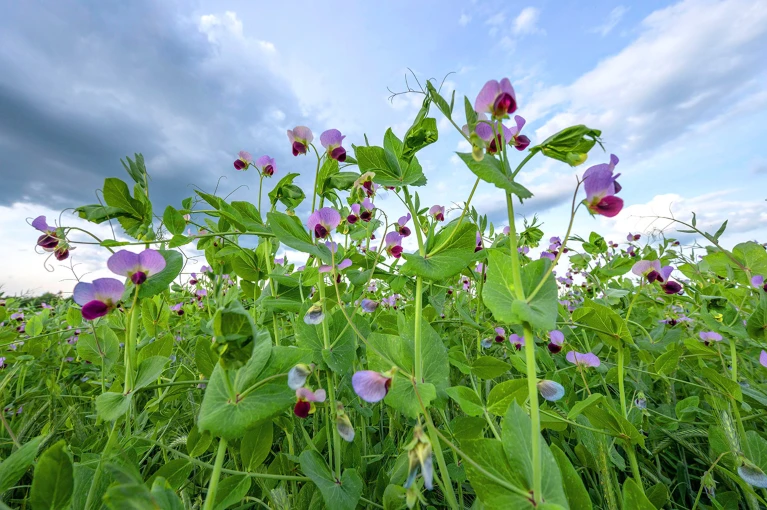
Researchers at the University of California - Riverside, have discovered growth benefits caused by a beneficial relationship between pea plants and the microbe, Bradyrhizobium. Through experimentation, they concluded that they could not increase the relationship between the plants and microbes by making changes to the plants' environment (through fertilizing). However, they did find that certain plant variants experienced increased benefits.
Knowing this, researchers can now examine "good" variants of the plants and their relationship with Bradyrhizobium. By identifying the best variants, researchers and breeders can work towards breeding a plant that maximizes its relationship, and therefore benefits with the Bradyrhizobium microbe. This would help reduce the amount of chemical fertilizers being used, and help maximize the relationship benefits for each plant.
Subscribe to:
Posts (Atom)