Synthetic Blood Development Could Be a Breakthrough for Trauma Patients
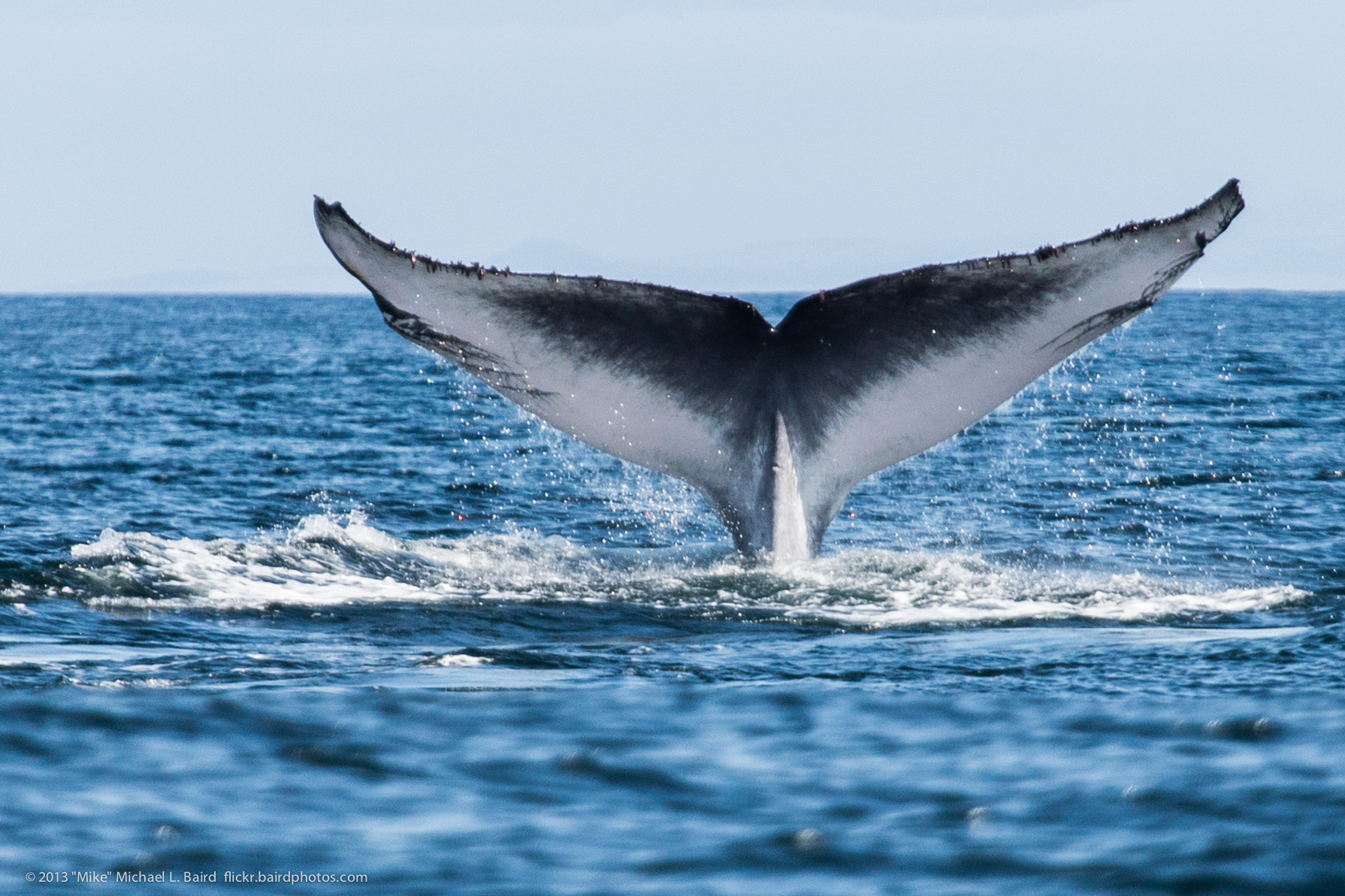
Whales and other deep sea diving
mammals can hold their breath and keep active for extended amounts of time on
just one breath. This is due to the vast
amounts of myoglobin (a protein that helps to hold oxygen in the body) stored
in the large mammals’ muscles.
Researchers from Rice University have done
studies for quite some time on the myoglobin in the bodies of whales and other
marine mammals to hopefully be able to come up with synthetic blood for human trauma
patients. Because the myoglobin in whales
can hold so much oxygen, this in turn could be beneficial to humans. “Whales and other deep-diving marine mammals
can pack 10-20 times more myoglobin into their cells than humans can, and that
allows them to ‘download’ oxygen directly into their skeletal muscles and stay
active even when they are holding their breath” said biochemist, John Olson in a
statement.
Whales have a large amount of myoglobin
in their muscles which is why they can stay under water for so long. Humans have less myoglobin in their bodies
which is why it is difficult to hold their breath for extended amounts of
time. If synthetic blood were to be
developed for trauma patients, it would provide hospitals with a larger blood
supply. This in turn would allow
patients to receive blood quicker as well as have that blood “take up”
oxygen more efficiently.
I found this article very interesting. Although there are many people that donate
blood, having synthetic blood on hand could make it easier for patients to be
matched for a specific blood type as well as make more blood if needed instead
of waiting for a donation.