Mice and humans share numerous commonalities
including their telomeres, the protective ends on chromosomes. However, there is one particular protein,
Rap1, at telomeres whose role has perplexed scientists for years. The Rap1
protein binds telomeres and then helps guard and maintain the telomere allowing
the telomere to maintain its protective function. Previous research showed that
in humans Rap1 played a crucial role while in mice the protein appeared to play
only a minor role. This discrepancy was difficult to explain since both mice
and humans are mammals.
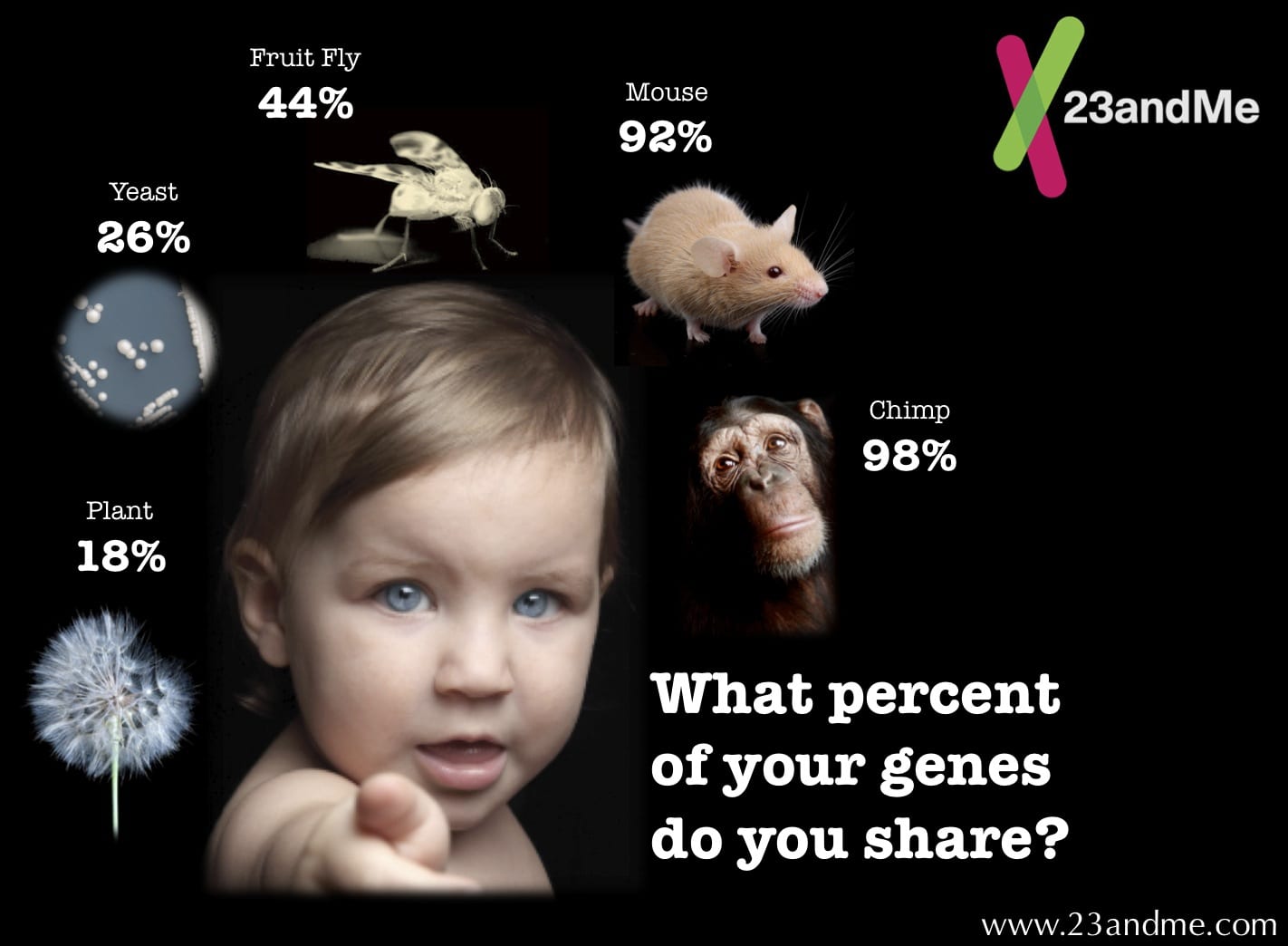
New research at RockefellerUniversity has solved the discrepancy in the Rap1 protein. Researchers have
discovered that the protein contributes very little if any to the protection of
the telomere. However, while the research has solved the role of Rap1 in the
protection of telomeres, another question was raised due to the research. This
question is if Rap1 doesn’t protect telomeres why has evolution maintained the
protein in both mice and humans?

Previous research has shown that dysfunctional
telomeres have been linked to aging and cancer. Additionally, in prior research
there were no changes in mice telomere length observed; however, mice have much
longer telomeres so slight changes are more difficult to detect than they are
in humans. Rap1 is one of six shelterin components in humans and mice, and
dates back all the way back to yeast and a single-celled parasite called trypanosomes.
Shaheen Kabir, a graduate student
in the lab, stated, “"We piled up a lot of negative data looking for
effects of removing Rap1 from human telomeres. We observed no fusions, no
significant changes in telomere length, no turning on of DNA damage signaling,
the list goes on.”
The researchers concluded the
possibility that Rap1 has a redundant function that overlaps with other
shelterin components cannot be dismissed; however, it is most likely the
protein must fill some other, unrelated role. Rap1 was first identified as a
protein that turns genes on or off and research in mammalian cells have shown
that the protein has a strong influence on genes related to body weight and
metabolism which explains why evolution has maintained the protein.
This article was interesting
because it discussed research that bought clarity to a previously unclear discrepancy.
While the research does not provide anything groundbreaking it brings closer to
an issue that has baffled scientists for decades and discoveries such as this
are always important.
Secondary Article: http://www.ncbi.nlm.nih.gov/pmc/articles/PMC3792482/

