Showing posts with label #birds. Show all posts

Tuesday, November 12, 2024

Bird Beaks and Parrot Pigmentation

Authors Simon Griffith and Daniel Hooper make two very straightforward, yet interesting findings in their article "A single atom can change the colour of a bird. These are the genes responsible," published in the The Conversation. The findings are based off of two different research papers on pigmentation in birds, focusing on the biochemical reasons for different colors in Pseudeos fuscata, otherwise known as the Dusky Lory.

It turns out that two different genes are responsible for the red-to-yellow color range found these birds. These genes control a single enzyme, which converts red pigments to yellow. In the dusky lory, mutations in the genes cause the enzyme to become inactive, but only in certain parts of the bird. This is why some dusky lories have yellow beaks but red bodies; the genes in the beak cells are mutated, but not in the body cells.


Parrots are really unique in that their pigmentation come from psittacofulvins, a special pigment made by and found in parrots. Most other birds' pigmentation come from their food. I think that this makes parrots much more interesting to study, since their genetic basis for color can lead to much more variation among individuals. Perhaps different kinds of mutations in the dusky lory's genes can lead to more colors besides yellow and red. Albino individuals may also exist.

I also am curious to know whether or not different color variations may be favored by natural selection. Is a red beak more attractive? Does a yellow beak illness or weakness? As Griffith and Hooper write in their article, "[variation] can lead to the origin of a new species." Perhaps the the red beak and yellow beak birds with diverge with time. I think this is a question worth answering.

ARTICLES

Sunday, April 28, 2024

Unlocking Avian Secrets: The Power of DNA Barcoding in Bird Identification

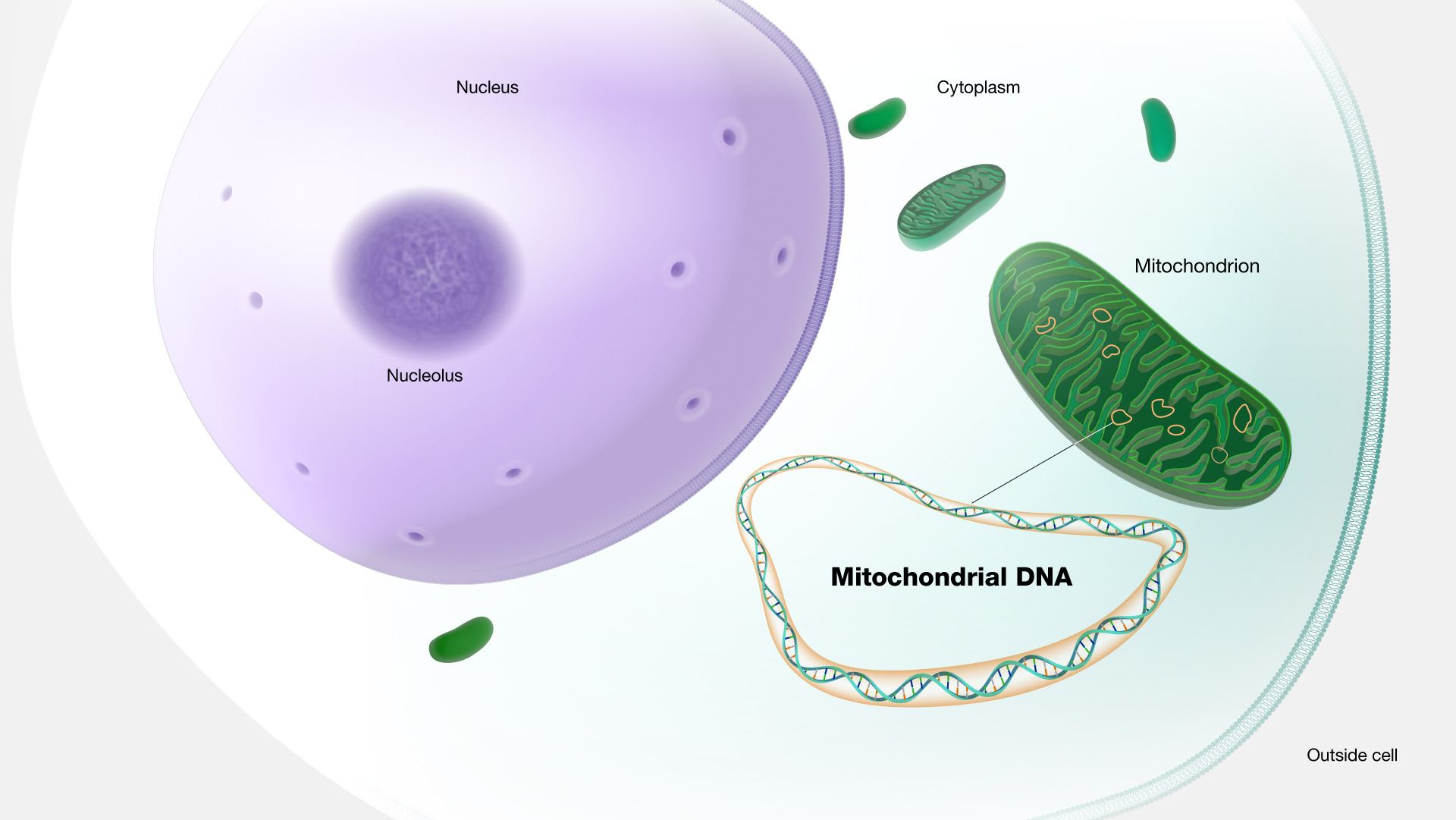
    The study “Comprehensive DNA barcode coverage of North American birds” investigates the effectiveness of mitochondrial DNA (mtDNA) as a tool for species identification through DNA barcoding. The research involved analyzing mtDNA from 643 North American bird species using tissue samples from museum collections and feathers. DNA extraction was performed with specific tissue extraction kits, and polymerase chain reactions (PCR) were conducted using primary primers BirdR1 and BirdF1. In cases of unsuccessful amplification, alternative primers like FalcoFA and BirdR2 were employed. The amplified DNA was then visualized on agarose gel and sequenced bidirectionally at facilities including the University of Guelph and the Smithsonian. 


    The results demonstrated a high success rate, with distinct barcode clusters found in 94% of the species, supporting the strong discriminative power of DNA barcoding. Notably, approximately 2% of the species showed significant genetic divergence within what are recognized as single species, suggesting the presence of cryptic species. However, about 6% of the species had overlapping barcode clusters with closely related species, often due to hybridization or recent divergence, which illustrates some limitations of DNA barcoding in distinguishing very closely related species.

    I find the article particularly compelling as it explores the potential of mitochondrial DNA for species identification through DNA barcoding. This study not only bolsters hope for a definitive methodology in species identification but also provides a wealth of data that could be invaluable for other scientists. This detailed information about the various bird species and their unique barcodes could be instrumental for researchers and enthusiasts alike in identifying species independently. This breakthrough is exciting and I am eager to see how it will advance the field of biodiversity research.