Showing posts with label #Bones. Show all posts

Monday, December 8, 2025

Scientists Find Genetic Signature of Down Syndrome in Ancient Bones


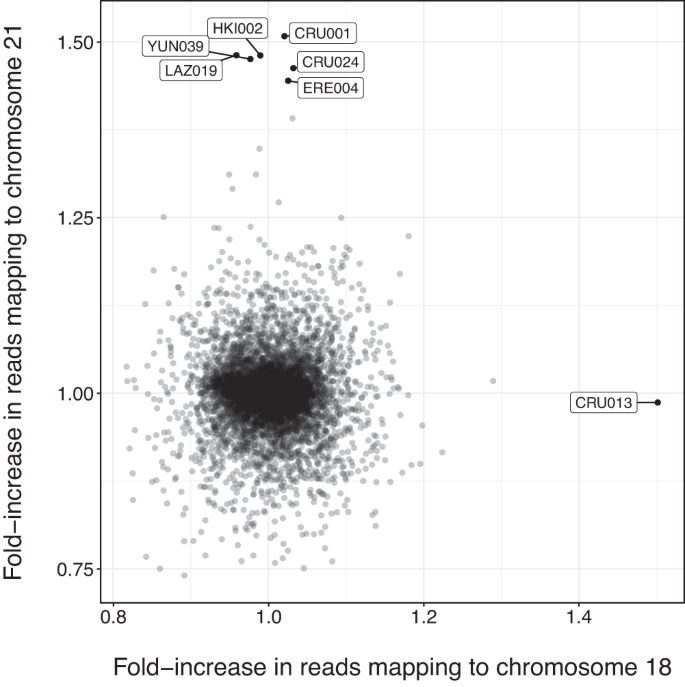
    Scientists were able to diagnose Down syndrome using DNA from ancient bones. Down syndrome happens to 1 in 700 newborns today, and it results in an extra copy of chromosome 21. Down syndrome is most likely to occur when older mothers give birth in modern times. Back then, Down syndrome was rare because there were higher chances of women dying young, which made Down syndrome rare. 

    The first Down syndrome case using DNA from ancient bones was in 2020. The bones were found to be of a six-month-old boy who had been buried for almost 5570 years. Scientists also found an infant who had Edwards syndrome. Edwards syndrome is when there is an extra copy of chromosome 18. Researchers believe that the baby was only able to survive up to 40 weeks of gestation. This could possibly be the first case of Edwards syndrome found in the ancient remains. 


This is a picture of ancient remains of infants who had Down syndrome. These bones are about 2500 years old. 

References:

https://www.smithsonianmag.com/smart-news/dna-reveals-presence-of-down-syndrome-in-ancient-society-180983835/

https://www.nytimes.com/2024/02/20/science/down-syndrome-dna-bones.html


Thursday, November 27, 2025

Ancient DNA uncovers a hidden chapter in the history of Down syndrome, Blog#6

  Ancient DNA uncovers a hidden chapter in the history of Down syndrome!

Saturday, May 3, 2025

Forensics and Cold Cases

 Forensic genetics is a powerful tool used to identify unknown human remains, even decades after death. By analyzing DNA from bones and comparing it to databases, forensic scientists can match remains to missing persons. A prime example is Patricia Ann Hertel, who disappeared in 1981. Her remains were found in 1983 but misidentified as male, and the case went cold. In 2023, forensic genetic genealogy finally led to her correct identification, giving closure to her family.

Another major player is Othram Inc., a lab that uses advanced DNA sequencing to solve cold cases. They've helped identify victims from the 1970s and 1980s by reconstructing DNA from degraded remains and tracing relatives through genealogy databases. While ethical concerns about privacy remain, the ability to restore names to the nameless is an outstanding achievement. 


My Opinion: This is an interesting topic to look into and appreciating the people that put the time and effort into solving these cold cases for closure is needed. 

Sources: Why this Texas lab is so skilled at solving Bay Area cold cases

Skeletal remains identified as Calif. woman in 42-year-old cold case

Remains Identified as Woman Who Disappeared Over 40 Years After Boat Sank