Ancient DNA uncovers a hidden chapter in the history of Down syndrome!
Evgeniya Staleva
BIOL- 2100-001- Genetics
Professor Guy F. Barbato
November 27, 2025
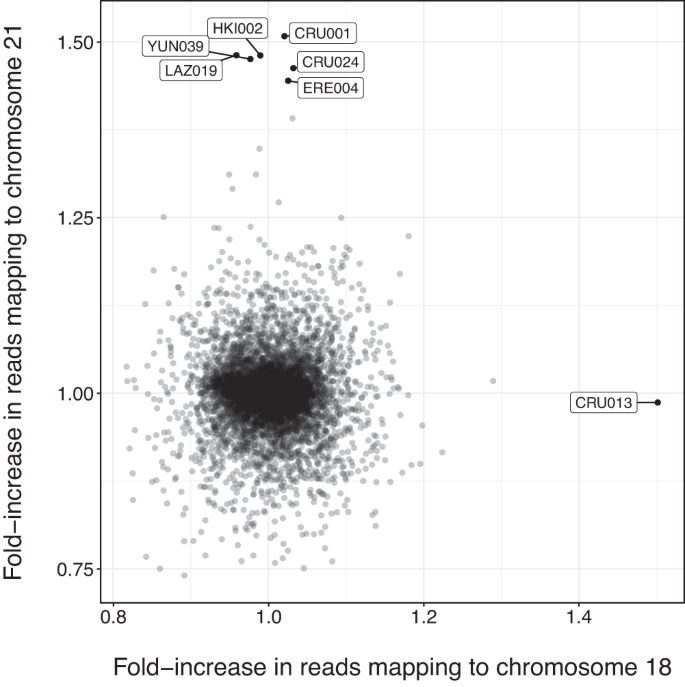
In the article by Carl Zimmer, scientists were reported to have identified Down syndrome in the bones of seven children, including some over five thousand years old, using ancient DNA. To do this, the team used pieces of genetic material shorter than ten thousand of the bones and wrote a program that counted the number of pieces belonging to a chromosome. The genetic pattern of Down syndrome was evident in bones that contained extra material as a result of chromosome twenty one. One fetus with an extra chromosome eighteen, which is also associated with Edwards syndrome, was also visible on the same screen.

Scientists were unable to determine the prevalence of these disorders in the distant past due to the decay of many infants remains and the loss of many children who did not survive into recorded history. The analysis singles out some of the best burials in the north of Spain. Family members preferred burying babies with Down syndrome and the fetus with Edwards syndrome instead of cremation, and placed them in houses with objects such as jewelry. This pattern is viewed by some experts as possible evidence that such children were treated special and as others warn that with only such a small sample, solid conclusions cannot be made in this initial small study. The technique might also be used to detect numerous other rare genetic diseases in archaeology.
This story is very thought provoking and was quite moving to me. It reveals how genetics have brought back into sight the lost children and the misconception that disability is a problem. The cautious burials led me to visualize parents who cared about their babies and mourned in a manner that resonates with the grief in a modern day. There is a silent lesson in this work to be passed on to a contemporary reader, as well. Individuals with genetic differences have always existed in the human society and our science ought to foster respect, recollection and nurturing of each life.
https://www.nytimes.com/2024/02/20/science/down-syndrome-dna-bones.html

I agree that this is a very moving discovery, since not a lot of people realize that most disabilities have been around since the beginning of humans. Bringing to light the kids who had these disabilities and how they were treated is extremely touching to see.
ReplyDeleteIts always cool to see how DNA from thousands of years ago can still help us today. It's also interesting to see how people with disabilities that we see nowadays were treated back when nobody had any knowledge of them and their effects.
ReplyDelete