Showing posts with label "bacterial infections". Show all posts

Sunday, November 9, 2025

Ancient Viruses can be useful to modern day research

    Researchers at Penn state have discovered that some bacteria can carry ancient dormant viruses called cryptic prophases in their genomes. These dormant viral sequences can become a part of bacteria's defense system. They found that recombinase can modify bacterial DNA in response to viral threats only if a prophage is already embedded in the genome. This specific recombinase is known as PinQ. When a virus goes near the bacterial ell, PinQ triggers DNA inversion flipping a section of genetic code inside the chromosome. 

    In experiments with E. coli the proteins were overexpressed, and viruses could not land on the bacterial surface. After repeated exposure the virus evolved a new attachment mechanism and overcame the barrier. Researchers suggest that this kind of ancient viral defense could be helpful for antiviral strategies especially those showing antibiotics resistance.

    Benefits to this research helps understand how antivirus systems operate. This can lead to a better understanding of how to effectively cultivate bacteria used to ferment foods like cheese and yogurt. This could also help improve how bacterial infections are managed in health care settings. 


Sources:  Ancient viruses hidden inside bacteria could help defeat modern infections. (2025, November 25). ScienceDaily. https://www.sciencedaily.com/releases/2025/11/251102205009.htm

Putol, R. (2025, November 1). Ancient viruses inside bacteria may help fight infections. Earth.com. https://www.earth.com/news/ancient-viruses-inside-bacteria-may-help-fight-infections/

Sunday, October 19, 2025

Increasing Anti-Microbial Resistance Poses Threat to Globe


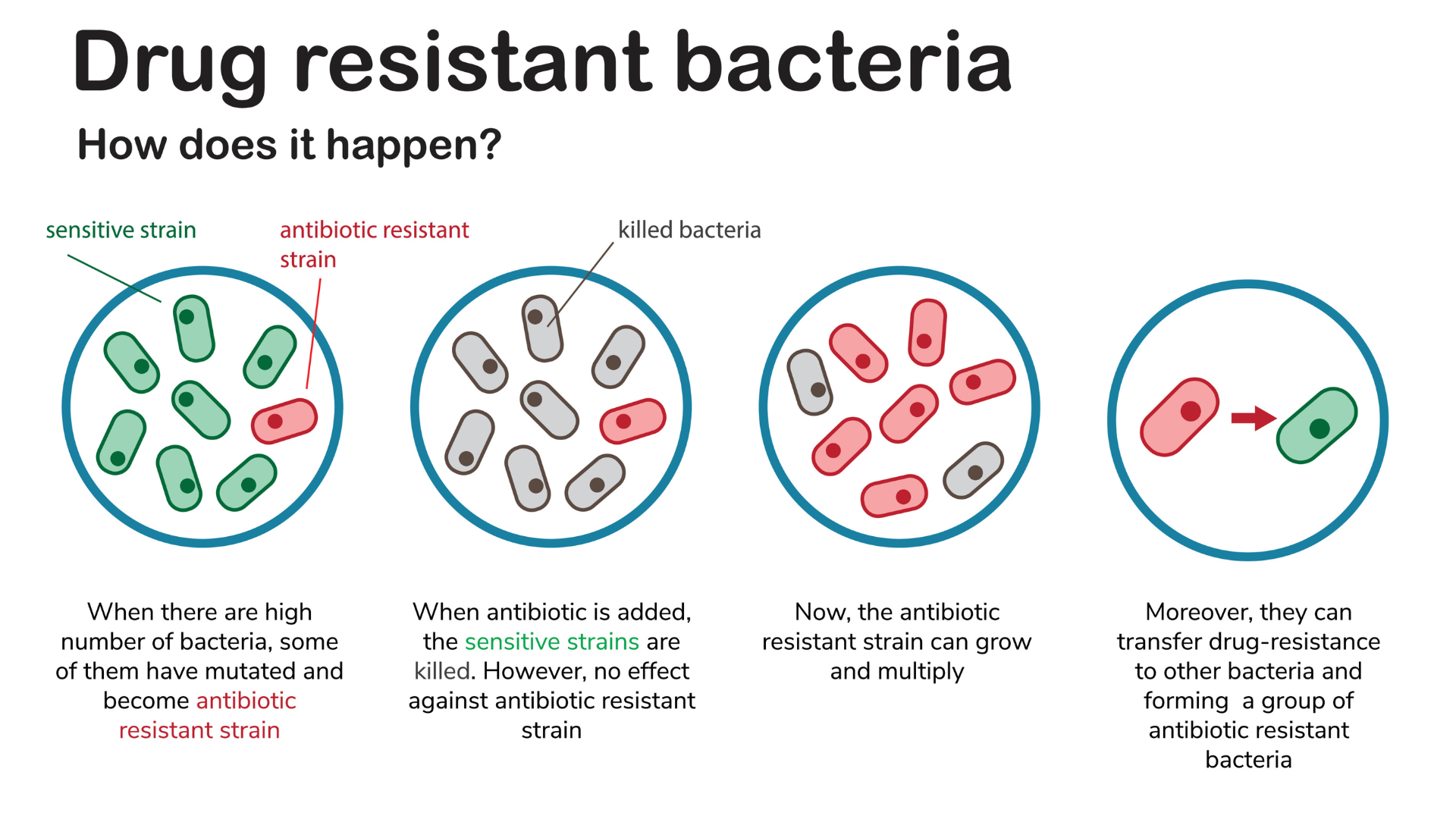
    Articles in the NY Times "W.H.O. Warns of Sharp Increase in Drug-Resistant Infections" and "The Global Threat of Antibiotic Resistance" reports of the spread of dangerous antimicrobial-resistant infections, which have been increasing by nearly 15 percent each year. This includes infections such as UTI’s, gonorrhea, E. coli, and other pathogenic bacteria that kill millions annually.  It’s estimated that more than 39 million people will die from antimicrobial-resistant pathogens in the next 25 years. While the increase in antimicrobial resistance is inevitable, it is being accelerated by improper, or excessive use of antimicrobials. Nearly 140 countries have joined the Center for Global Development’s antimicrobial resistance surveillance system and 100 of which contributed data. 

                  This presents an incredibly difficult challenge, especially for doctors who want to treat their patients but recognize that improper use could lead to a much larger crisis. I believe it is the responsibility of the prescriber to emphasize the importance of taking an entire course of antimicrobials, even if the patient feels better before finishing. However, patients also share responsibility by ensuring they aren’t skipping their last doses because they feel better leaving the last, strongest, pathogenic bacteria to survive, mutate, and spread resistance. Perhaps there should be stronger guidelines are even laws to prescribing antibiotics, like making a patient sign a form stating they’ll take the antimicrobials for the full length of time unless otherwise stated by the doctor. Education on this subject could also slow the increase of anti-microbial resistant infections, like teaching genetic resistance in high school science classes. Either way improper use needs to stop, or common infections could become a death sentence.

Sunday, February 11, 2024

A New Breakthrough in Bacterial Infection Control

    The battle against “war bugs'' or antibiotic resistant bacteria (ARB) has been claimed to be one of the biggest global health challenges of the 20th and 21st century. Though, in recent findings at the Icahn School of Medicine at Mount Sinai researchers found a way to make a natural defense mechanism fight and manage the previously seeming immortal bacterial infections. This natural defense mechanism is called cyclic oligonucleotide-based antiphage signaling system (CBASS). This defense mechanism is used by certain bacteria, like E.Coli, to protect themselves from viral attacks. The researchers used the CBASS-associated protein 5 (CAP 5) to understand how it could potentially be used to control bacterial infections. CAP 5 becomes activated by cyclic nucleotides to destroy the bacterias own DNA. In the past a multitude of other approaches have been tested including modifying existing antibiotics, creating new antibiotics, and also finding different ways of delivering these medications to the system. Though this potential solution to ARB still needs to be tested on more varieties of bacteria, it is a big stepping stone towards an answer of how to tame these bacteria. 

    This topic of antibiotic resistance is very intriguing to me for the fact that most people are severely undereducated in the way that antibiotic drugs work and how the bacteria they are fighting can become resistant. The importance of discovering a way to treat ARB is vital for the prevention of the spread of viruses in not only our country but across the globe, and the fact that these researchers from Mount Sinai have found a minimally invasive way of doing so by using naturally occurring mechanisms in the body is very intriguing. 


Sources: