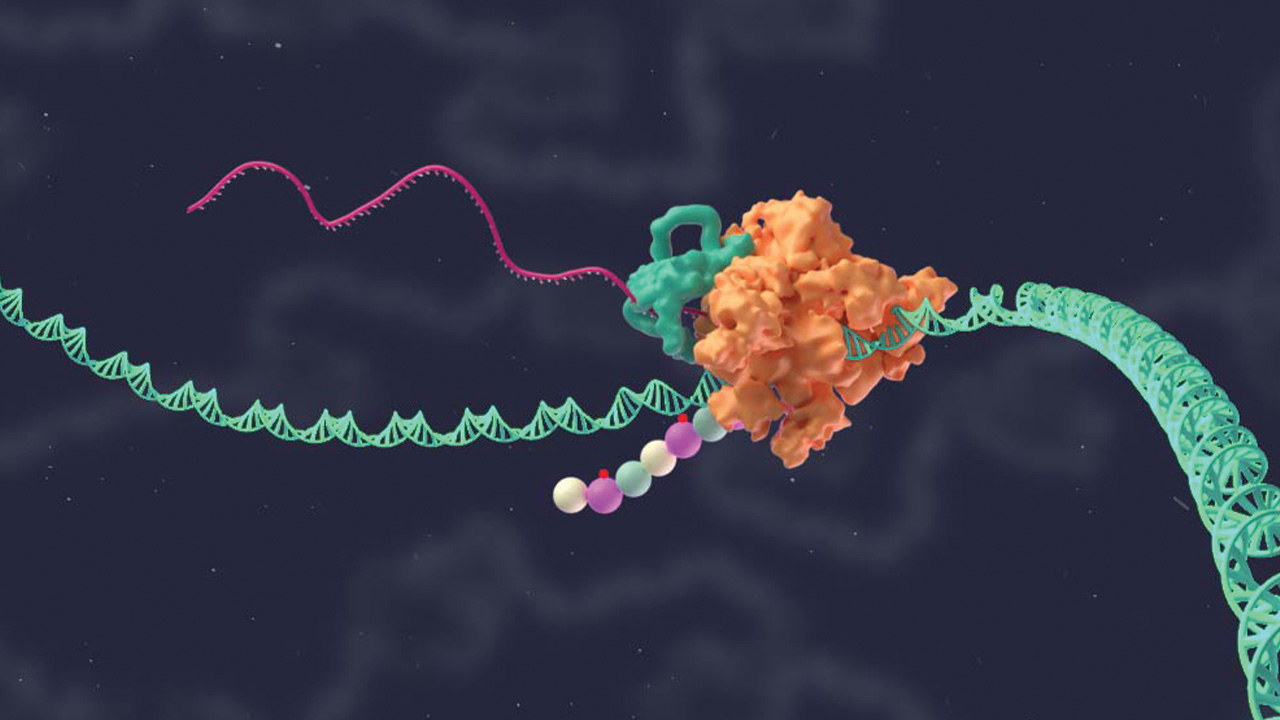
Scientists led by Ali Shilatifard have discovered a new repeat gene cluster in the human genome that is unique to humans and other primates. Published in Science Advances, the study reveals a previously hidden region of DNA that could reshape how we understand gene regulation and evolution.
The newly identified cluster produces a protein called ELOA3, related to transcription machinery that controls how genes are expressed. Unlike typical genes, which appear once or in small numbers, this cluster contains multiple repeated copies of the same gene located together. Interestingly, the number of copies varies widely between individuals, adding another layer of genetic diversity.
For years, large portions of the genome made up of repetitive DNA were considered “genetic dark matter” because older sequencing methods couldn’t properly analyze them. With newer long-read sequencing technologies, researchers can now explore these regions and uncover their biological significance. The team found that ELOA3 plays a role in regulating RNA polymerase II transcription, but through distinct mechanisms compared to related proteins. This suggests the gene cluster may contribute to subtle differences in gene expression between individuals and across primate species.
Beyond basic genetics, this discovery has important implications. Because gene regulation is tightly linked to diseases like cancer, understanding how ELOA3 works could eventually support targeted drug development. It may also help explain aspects of human evolution, since the gene cluster appears conserved across primates but varies in copy number.
Article Link: https://news.feinberg.northwestern.edu/2023/11/22/new-human-gene-cluster-sequence-discovered/
Additional Resource: https://www.science.org/doi/10.1126/sciadv.adj1261

This new research is essential to our understanding of the biological processes of transcription. The application to drug development could have such a broad impact on the development of new gene therapies for a multitude of ailments.
ReplyDeleteI thought this post was really interesting, and I think the identification of the ELOA3 gene cluster is very important for expanding our understanding of gene regulation and genetic diversity.
ReplyDeleteThis is fascinating. Along with newer technologies such as CAR-T therapy with CRISPR, this could be an important aspect to cancer treatment in the future. Good post!
ReplyDelete