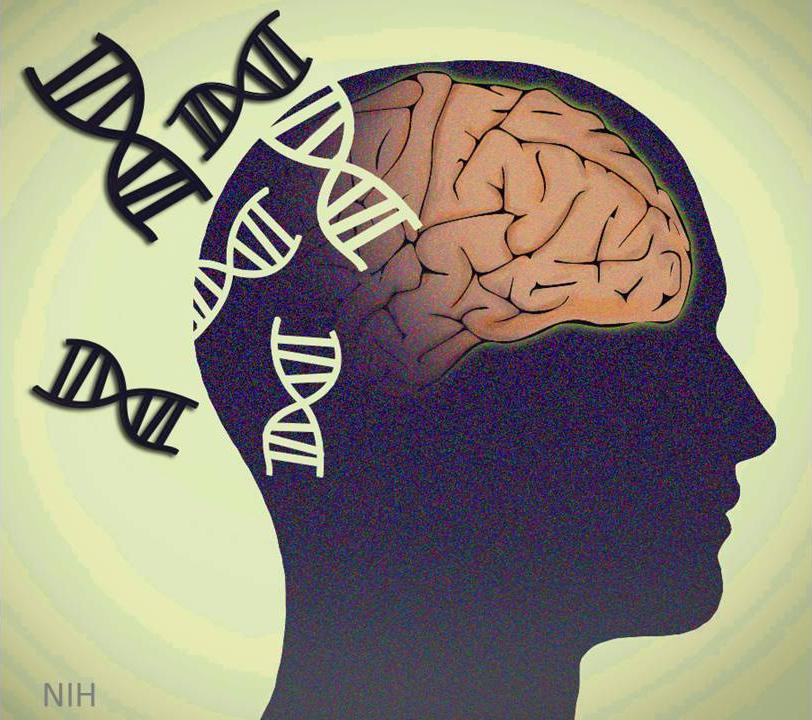
A groundbreaking study published in Nature analyzed genetic data from over 6 million people to better understand how different mental health disorders are connected. Researchers found that conditions like depression, anxiety, schizophrenia, ADHD, and substance use disorders are not as separate as we once thought. Instead, they share underlying genetic patterns that group into five major clusters, such as neurodevelopmental disorders and internalizing disorders.
This discovery helps explain why many individuals experience multiple mental health conditions at the same time. Rather than being completely distinct illnesses, these disorders may stem from shared biological pathways influenced by hundreds of genetic variants. The study even links certain disorders to specific brain cell types, offering deeper insight into how these conditions develop at a cellular level.
What makes this research especially important is its potential to reshape how mental illness is diagnosed and treated. Currently, diagnoses are based mostly on symptoms, but this genetic approach could lead to a more accurate, biology-based system. In the future, treatments might target shared genetic mechanisms, helping multiple conditions at once instead of treating them separately.
I found this study fascinating because it challenges the way we traditionally think about mental health. It shows that mental illness is far more interconnected and complex than simple labels suggest. This kind of research could reduce stigma and lead to more effective, personalized care, which feels especially important as mental health continues to impact so many people.
Article link: https://stories.tamu.edu/news/2026/01/12/one-genetic-map-could-rewrite-how-we-understand-mental-health/
Additional resource: https://www.nature.com/articles/s41586-025-09820-3

No comments:
Post a Comment