Researchers Test New Gene-Editing Approach for Multiple Mutations
Genome editing is a group of methods that allow scientists to add, remove, or alter genetic material at specific locations in the genome to change an organism's DNA (MedlinePlus, 2022). Scientists at the University of Texas have created a gene editing method that uses bacterial retrons that can potentially correct multiple disease-causing mutations at the same time. The retron method can replace longer sections of damaged DNA with healthy sequences, allowing researchers to fix several mutations within the same region, rather than targeting them one by one. This is better for scientists because, before, they could only focus on correcting one or two mutations at a time with gene editing (University of Texas at Austin, 2025).
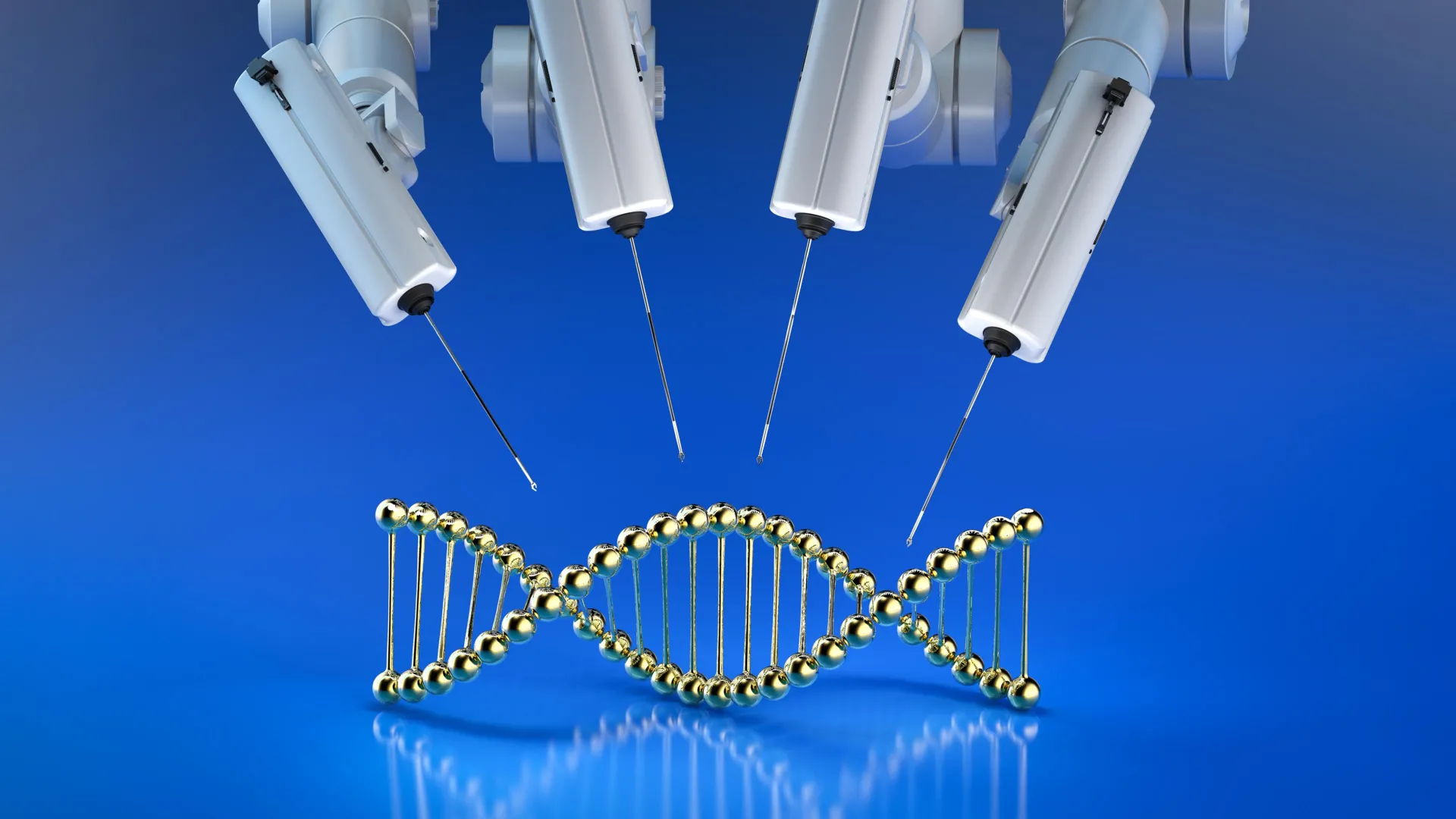
I believe this research is useful because it shows a possible approach for treating genetic disorders that have many different mutations, which could help more patients. Using retrons to replace larger sections of DNA could make gene editing more flexible than just looking at one or two mutations as well as it can help more patients in the future.
References
MedlinePlus. (2022, March 22). What Are Genome Editing and CRISPR-Cas9? Medlineplus; National Library of Medicine. https://medlineplus.gov/genetics/understanding/genomicresearch/genomeediting/
University of Texas at Austin. (2025). Scientists just made gene editing far more powerful. ScienceDaily. https://www.sciencedaily.com/releases/2025/10/251025084545.htm

No comments:
Post a Comment