Showing posts with label preventative. Show all posts

Wednesday, March 6, 2024

Is it Possible to Predict Your Odds for Getting a Commonly Known Illness?

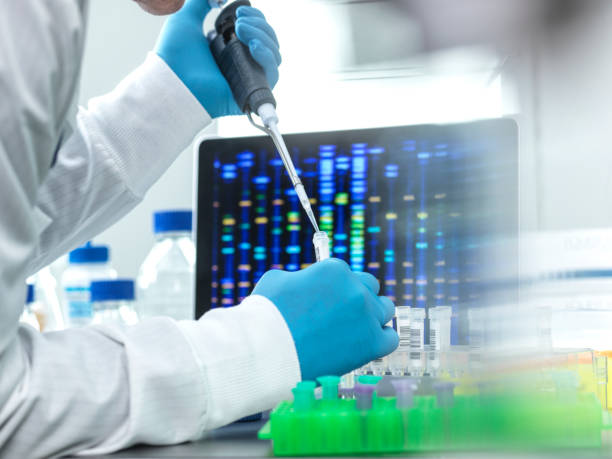
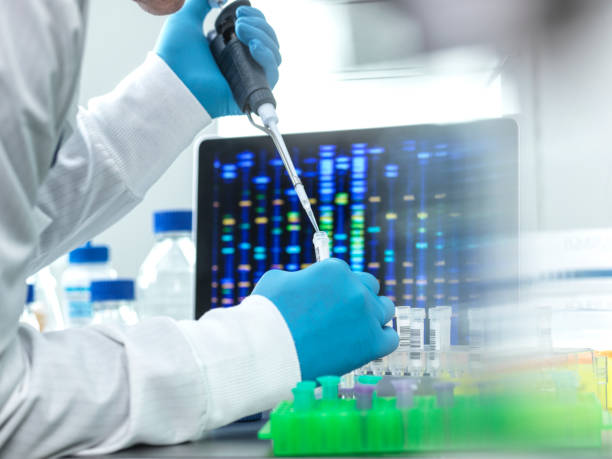
According to researchers, now you can! An article that was recently posted by Dennis Thompson from HealthDay on February 20th stated that a gene-based test might be able to predict the possibility of your odds of getting some commonly known illnesses.

Currently, there are ten gene tests or scans that can be done that show the probability of an individual getting a certain illness. Some of the illnesses that can be tested are high cholesterol, asthma, obesity, kidney disease, heart disease, prostate cancer, type one and two diabetes, and even atrial fibrillation.

These tests are in their testing phase in clinical research in ten academic medical centers across the nation of the United States. For this study and testing, 25,000 participants have taken part and allowed researchers to identify as well as verify the precise spots on the genome to assess the probability of the tested illness and create an overall risk score. Currently, most of the participants are of European descent but researchers are widening their evidence to be able to review participants of different genetic ancestry.

The main goal for these researchers is to locate risks of illnesses that can be treated so they aren't giving people results of something they could do nothing about. This allows those who do have a higher risk for a particular illness to get preventative treatment so it does not become a threatening issue in the future.

This is going to be something amazing in the future! I believe that if this continues to be successful and yields accurate results, these tests are going to be in every hospital.  Since these tests target common treatable illnesses, they will overall improve the quality of life of many in the long run and prevent people from being in and out of hospitals, reduce the need for prescriptions, and more. Hopefully, once these ten tests are perfected, there can be new tests that follow for other common and maybe not-so-common illnesses.


Sources:

(News article) https://www.usnews.com/news/health-news/articles/2024-02-20/gene-based-tests-could-predict-your-odds-for-common-illnesses

(Scientific article) https://www.nature.com/articles/s41591-024-02796-z

(Image) https://media.istockphoto.com/id/1334095553/photo/scientist-pipetting-sample-into-a-vial-for-dna-testing.jpg?s=612x612&w=0&k=20&c=2VMZv9ozZtNbZGreavUn5m9ynUA68AE13Rpj6eqZHC4=

Friday, December 13, 2019

I Remember You

Image result for alzheimers


Alzheimer’s disease, a disease that is associated with mental decline, causes up to 80% of the dementia cases.  A woman in Columbia that suffers from Alzheimer’s disease for years has yet not developed dementia.  Scientist have come to believe that it is because of a mutation in her genetic code, she is immune to developing dementia.

She developed Alzheimer’s at a very young age due to a Presenilin 1 (PSEN1) gene being mutated.  It is a “E280A mutation, but this isn’t the mutation that caused her immunity to dementia.  The reason for her dementia immunity is because she has 2 mutations called “Christchurch” mutations in he APOE3 genes.  Having 2 of these mutations have helped block the necessary actions for the body to have unnecessary death of brain cells.  If this mutation could be replicated in the lab and applied to individuals suffering from Alzheimer’s, then it may be able to prevent those individuals from developing dementia.  Because the mutation stopped the Alzheimer’s from progressing into dementia, it may not be able to reverse the effects for people already affected by it.  

Monday, April 22, 2013

Cancer Centers Racing to Map Patients’ Genes

A recent New York Times article talks about the "arms race" that is taking place in the genetic community. Millions of dollars have been spent in recent years to create a way to quickly and effectively process genetic and other biological information. Mount Sinai medical center recently developed a $3 million supercomputer capable of making quick work of this information, while other New York hospitals and colleges are spending more than half a billion dollars on research facilities! This arms race has become a crucial part of an ongoing war: the war against cancer and other diseases.

The belief is that eventually being able to routinely sequence everyone's genome would lead to "precision medicine" or treatment based on the unique characteristics of a patient's genes. John Hopkins is looking to, within the next two years, develop a systematic genomic sequencing program that also includes an individual's environment, family history and other factors in order to create preventative  medicines (seen here) specific to the individual. The hope is that by understanding the genome, and where diseases come from, that scientists and doctors can, at the earliest age, implement preventive measures and medicines to combat diseases.

Although scientists are still a long way from generating useful information from the genome, this new race to be the first to do so, will speed up the process as well as increase the amount of genomes able to be sequenced.