Showing posts with label maize. Show all posts

Wednesday, April 23, 2025

E-I-E-I-Omics: Cracking the Code to Smarter Corn

Corn is an essential backbone to the products our society produces every day, being in just about everything from food to fuel, and packaging. However, growing climate challenges mean that today's crops must be productive and resilient. A new study by the University of Michigan may be helping farmers do just that.


Led by biologist Alexandre Marand, researchers analyzed DNA from nearly 200 maize varieties, focusing not just on the genes themselves but also on how individual cells utilize them. While every cell shares the same genetic code, different cells activate or deactivate genes in unique ways, influencing how a plant grows, withstands stress, and adapts to its environment. The key takeaway here is that the most significant traits arise from changes in gene regulation rather than merely the genetic sequence. This shift in understanding enables scientists to predict how genetic modifications might enhance crop performance or lead to unintended consequences. It’s like knowing how a car operates, not just the components it contains. By mapping gene activity at the cellular level, researchers can now develop corn that is better suited to various climates and growing conditions. The future of farming could be more precise and productive, thanks to breakthroughs like this.


Sources:

https://phys.org/news/2025-04-omics-discoveries-corn-genetics-productive.html

https://www.science.org/doi/10.1126/science.ads6601

Tuesday, April 9, 2024

Maize Plant Genetics Shape Root Health and Growth

Rodielon Putol, an Earth.com staff writer, writes that maize genetics plays an important role in determining the health and efficiency of plant roots. There is a connection between the genetic makeup of maize plants and the composition of microorganisms surrounding their roots. The roots are an important for of plants because they are their lifelines. Roots anchor an enable nutrient & water absorption. They also have a tiny microbial layer that is vital for plant health. The microorganisms are crucial for the health and fitness of plants. This research takes a Segway from the original belief that only soil influences the root microbiome. It shoes that maize genetics are equally important in determining which microorganisms surround the roots. 


Since maize has been cultivated through selective breeding in diverse climates over centuries, researchers decided they would harness its genetic diversity. Specific genes were studied to see how the plant interacts with bacteria which could enhance the plant’s resilience to environmental challenges. Massilia bacteria was found around maize roots that helped improve nutrient and water absorption. We can use the findings in this study to breed maize to be more resilient when it comes to droughts and food shortages. This plant is known to be a big food sources for the locals and it would be greatly beneficial to genetically modify them be resilient to certain bacteria. We can develop tougher maize varieties which can also lead to significant advancements towards sustainable agriculture. I’m glad that we are finding ways of making maize plants last longer in their life spans as it will help feed a lot of people who depend on it as their food source. 


Saturday, August 7, 2021

New Research and Studies Show Genetic Diversity in Corn


    Research and studies showed newly assembled genomes of 26 different genetic lines of corn, showing the crop’s rich genetic diversity. Detailed in an article published in the journal Science, first author of the study and an associate professor of ecology, evolution and organismal biology at Iowa State University, Matthew Hufford, says that these genomes as references can better help plant scientists select genes that lead to better crop yields or stress tolerance. The first corn genome, mapped in 2009 at Iowa State by Patrick Schnable and Doreen Ware and team, was the genetic line known as B73. Since then, B73 has served as the primary reference genome for corn, and scientists have a limited understanding of genetic sequences in corn genomes that are not in B73. The 26 genomes mapped in the new study, however, encompass a wide range of genetic diversity, including popcorn to sweetcorn to field corn from different geographical and environmental conditions. This genome mapping provides more reference data in order for scientists to combine maize genetics for targets that could lead to better crop performance. The large genetic diversity present in corn, however, creates major hurdles for the creation of new genomes, since 85% of the corn genome is composed of transposable elements. Hufford, comparing these elements to a jigsaw puzzle because the majority of pieces are one color. This repetition makes it harder to determine how the parts fit together. Technological advancements allow tools for researchers to overcome these hurdles, and allows for longer sequence reads, which make the pieces of the puzzle larger and more likely to be arranged properly by scientists.


Link to Study: https://www.sciencedaily.com/releases/2021/08/210805141202.htm

Link to Article: https://phys.org/news/2021-08-corn-genetic-diversity-genome.html


Saturday, January 26, 2019

Decades Old Mystery Solved

Professor Surinder Chopra at Penn Sate solved a nearly 6-decade-old corn gene mystery. It was discovered that a spontaneous mutant gene was responsible for red pigments seen on corn plant tissues. These included the kernels, cobs, tassels, silk and the stalks. This mutation would be observed for a few generations, and then disappear. Professor Chopra led the research into the mutant gene, named Ufo1 for Unstable factor for orange1, and using RNA-sequencing techniques and gene-cloning tools, came to the conclusion that the Ufo1 mutant gene is not the pigment causing gene in the corn. It was discovered that the p1 gene (pericarp color1) would be signaled by a transposon that the plant was under stress, even when stress did not exist. This would turn on the Ufo1 gene and the p1 gene, and ultimately the plant would be signaled to produce red pigments.


Even though maize genetics have been studied for over a century, it is still important to know as much as we can about them. Understanding plant stress is vital to learn how crops adapt to climate change .  I personally think that even though the research did not fully understand how Ufo1 and p1 gene interact, we are one step closer to understanding plant stress and growth. This research could not only help plant breeders and farmers, but crop protection and biofuel production.

Monday, November 6, 2017

Vitamin E discovery in maize could lead to more nutritious crop


Vitamin E discovery in maize could lead to more nutritious crop


Image result for corn and vitamin e


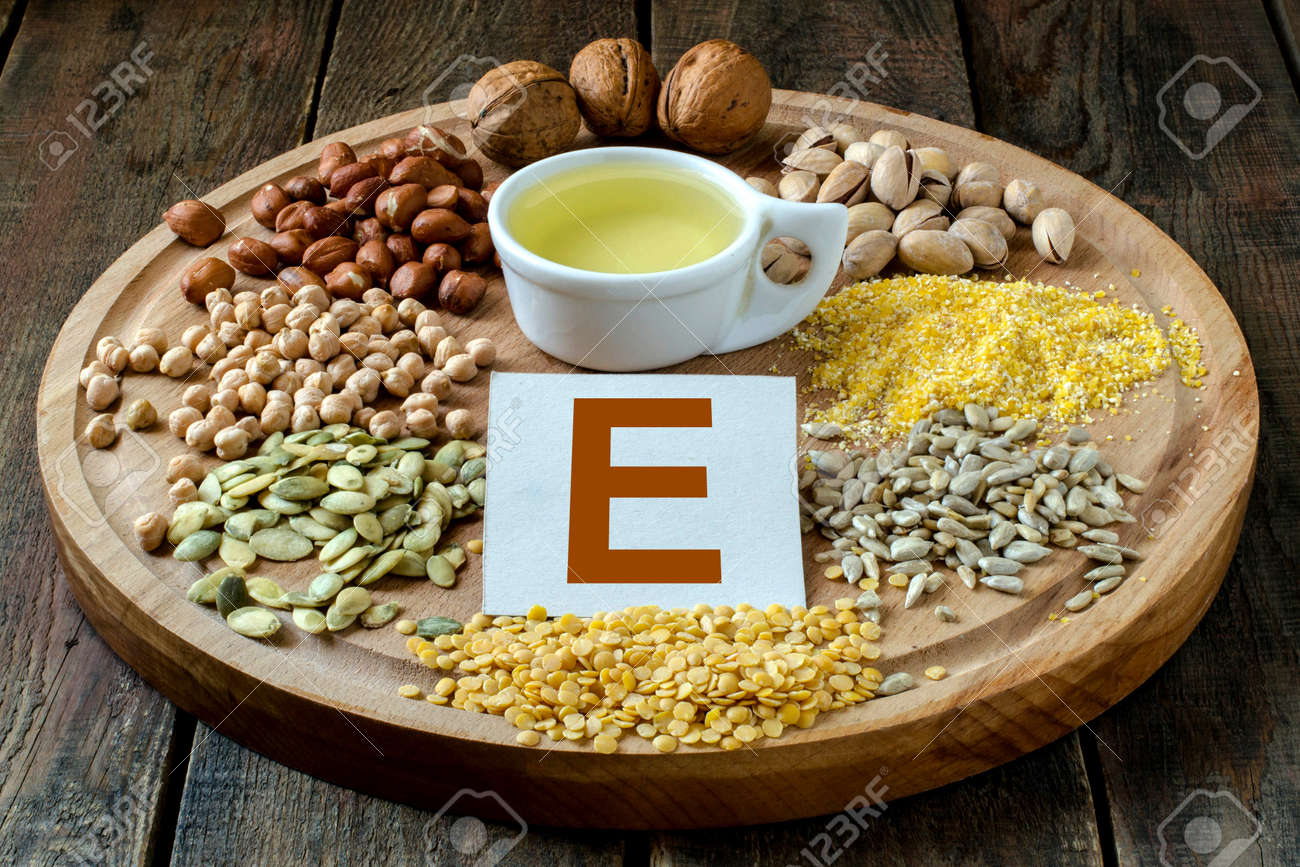
Scientists have recently discovered new genes that control vitamin E content in maize grain.  This discovery was done over multiple genetic association analyses.  They were able to identify 14 genes across the genome that were associated with the synthesis of vitamin E.  Six genes were found to encode proteins for a class of antioxidant compounds called tochochromanols or vitamin E.  Tocochromanols are found to help with heart health in humans and proper functioning in plants.  With this new discovery, scientists can focus on the specific genes associated with vitamin E to help increase vitamin E content in maize.  It was also mentioned that provitamin A could simultaneously increase vitamin E as the two are related biochemically.  This discovery could lead to improving the nutritional value of maize and improve the health of people around the world.  This discovery is very important as it affects people all over as corn is such a staple crop.  Making corn more nutritious would be great as it is an inexpensive food that is available in many regions of the world.  I think that focusing on the 14 genes that are associated with the antioxidant could really help the world of agriculture in making it more productive and efficient in terms of health.  Vitamin E offers many benefits to humans as found in the second link. 


Wednesday, November 23, 2016

Ancient Corn Cob, DNA Analyzed

It appears that researchers have sequenced the genome of a corn cob, but not just any corn cob, a 5,310 year old cob. This led to the discovery that maize grown in central Mexico was genetically more similar to maize that is being grown now, rather than it's wild ancestor. They found that the old maize had genetic variants that were in control of making kernels soft which is found as a feature in modern corn. Corn is one of the world's most produced crops, the 5,310 year old cob, also called Tehuacan162, was found in a cave in the Tehuacan Valleys in the 1960's and continues to be one of the oldest known ancient maize specimen in the world.
Nathan Wales who is apart of the Natural History Museum of Denmark said that the DNA within the maize was well preserved even though these old species usually have high levels of bacterial DNA from decomposition. When the genetic testing was done, seventy percent of the DNA of the cob was from the plant. In comparison, there is usually less than 10% of plant DNA found in ancient samples. Paleogenomic techniques were used. DNA was extracted, recovering ultra-short DNA so that they could make the most out of the small maize samples as well as determine the precise age using radiocarbon dating.

There were some similarities and differences between the ancient cob and the maize that is grown today. Although it did not have hard seed coats like its wild ancestor, it was also less than a tenth of the size of the maize grown today. There was also a decrease in the amount of kernels produced
This study can help understand and improve commercially important lines of modern maize. In the future, Wales would like to know how humans dispersed maize, what routes were used and how the maize adapted to diverse environments. I think this research is really awesome, because so much plant DNA was found in the samples and that is very rare. It is also cool to see how maize genetics has changed since the ancient times since it is still a very popular crop that people eat and use daily.

Friday, September 23, 2016

Genetic Modification of Grains

In an article posted on ScienceDaily, it appears that scientists have found a new approach to genetic modification of grains. Genetically modified plants and a variety of foods have caused controversy, but research is still persistent on improving the techniques done to make GMO's possible. Over the years, it has not been easy to find a method of genetic modification for grain crops. Previously, methods have been tried using a bacterium called Agrobacterium which transfers DNA to its host genome and further stimulates tissues to regenerate into whole plants. The problem with this is that the bacterium infects a small range of grain cultivars.

Researchers at DuPont changed the game and increased the genetic modification rates for many of maize cultivars. This was done by adding morphogenic genes to the other genes being modified. In other research, morphogenic genes help production of embryonic tissue. With these increased numbers of maize cultivars the technique was tried and successful with sorghum, rice and sugarcane. I think this is a great breakthrough despite the controversy that genetically modifying something often causes. As our population expands, it is necessary to have large quantities of these amounts. With the use of transgenic plants and gene modification, the population of these plants can continue to grow and benefit humans as well as scientific research.