Showing posts with label dog behavior. Show all posts

Friday, November 22, 2024

Is a Dog’s Behavior Influenced by Genetics?

 A study by the NIH used DNA data to group dog breeds into 10 distinct genetic families, including types like retrievers, terriers, sled dogs, and scent-hounds. Researchers found that the behavior of dogs is closely linked to the function for which they were originally bred. For example, herding breeds, such as sheepdogs, tend to be more trainable because they were bred to respond to human commands while herding livestock. In contrast, scent-hounds, like Bloodhounds, are more independent and harder to train because they are focused on following scents and often ignore human cues.

The study also revealed that certain behavioral traits are tied to specific lineages. Terriers, which were bred to hunt small animals, show higher levels of aggression and a strong predatory drive. On the other hand, retrievers are known for being easier to train, with less aggression and a calmer temperament. The research also found that some behaviors, such as increased attentiveness or fearfulness, are more common in specific groups of dogs, like herding dogs, which are very alert to their environment.

One of the key discoveries was that many of the genetic traits linked to dog behavior also appear in gray wolves, suggesting that these behaviors were already present in wild wolves before dogs were domesticated. This means that early humans likely selected dogs based on pre-existing behaviors that suited their purposes, such as herding, guarding, or hunting. This genetic link between dogs and wolves provides important insights into how certain behavioral traits have been passed down through generations and how they continue to influence modern dog breeds.

Links:

https://www.sciencedaily.com/releases/2022/12/221208114727.htm 
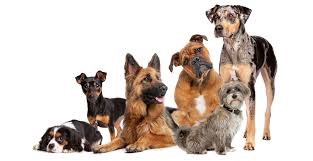


Dog Breed Temperaments - VitaPet


Friday, December 4, 2020

Linking Dog Behavior and Genetics


    In a study done among 101 dog breeds, it was found that certain behaviors were related between genetically similar breeds. It is common knowledge that different breeds of dogs differ in their behavior, but the genetics behind this have been of interest in recent years. In performing this study, data came from databases as well as surveys from dog owners, asking dog owners about their purebred dog's behavior. They collected data from over 14,000 dogs, and gave each dog a score on fourteen different behaviors. Geneticists analyzed these behavior scores, looking for genetic similarities between dogs who had similar behavior scores. They discovered that for behaviors such as aggression, trainability, and chasing, genes contributed between 60% to 70% of behavioral variation among breeds. For example, border collies and poodles had higher trainability scores while chihuahuas had higher aggression scores. The strong correlation between certain behaviors and genetics shows that the specific behaviors that genetics play a role in have been selected over time by humans. Humans have bred for specific traits, which is increasing the correlation. 

    The scientists also looked into specific genetic variants that might also contribute to behavioral differences. 131 out of thousands of variants stood out, but after much research, it was decided that no single gene was very closely related to any behavior. This just means that differences in behavior between breeds is affected by multiple genes, all interacting with each other. Although genes do play a role in the predisposition of behavior in dogs, environment still plays a role in dog behavior. That being said, I think that environment may play a larger role in dog behavior than genes. If a dog is raised in an abusive home, most of the time, they will be more aggressive and hostile, solely because of the way they have been treated. On the contrary, if you raise a dog in a positive, healthy environment, they will most likely be friendlier. A trait that I think could be affected more by genes than environment however, would be trainability. It would be interesting to see more research done on that trait in different dog breeds. 

https://www.sciencenews.org/article/dog-breed-behavior-genetics

https://penntoday.upenn.edu/news/genes-play-role-dog-breed-differences-behavior