The article elaborated on how scientists and researchers from Case Western Reserve University discovered a
gene mutation linked to esophageal cancer, which helps identify the early stages of individuals who are at high risk of developing highly lethal cancer.
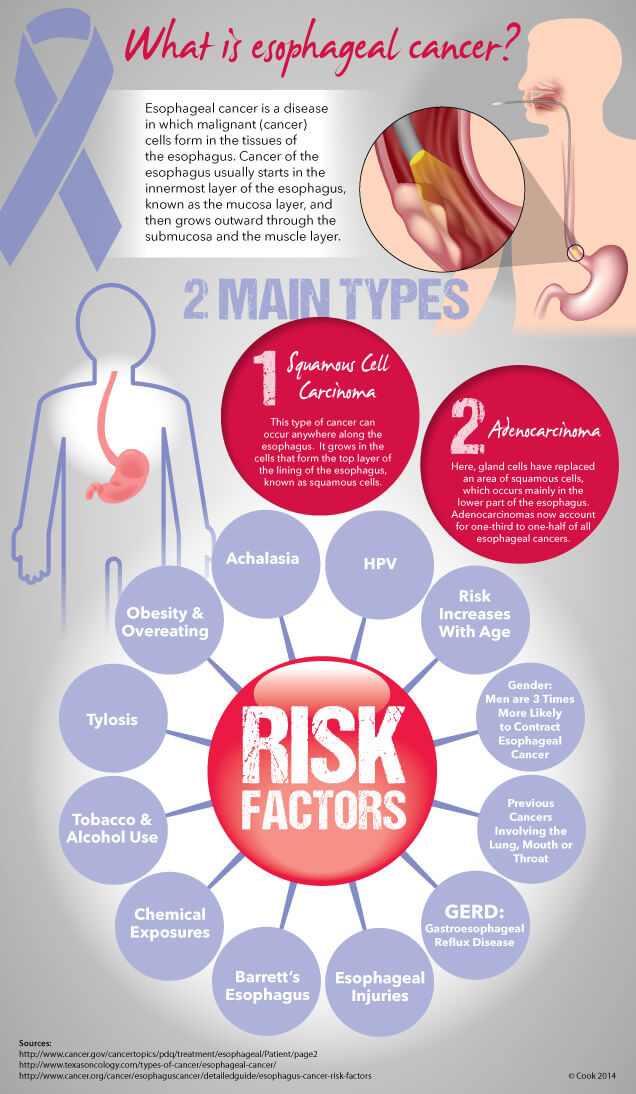
Esophageal adenocarcinoma (EAC) is a cancer of the food pipe, and the researchers used molecular techniques and tissues from humans and animal models to understand the causes and effects of CAV3 (Caveolin-3) in the esophagus. According to the article, the CAV3 mutation leads to loss of normal function and cannot repair the injured esophagus, increasing the risk of developing EAC. The discovery is relevant to individuals who are suffering from chronic heartburn, where the acid and bile from the stomach reach up and injure the lower esophagus.
I thought the article was interesting. I liked how the author emphasized the main topic and elaborated on how the discovery helps to identify the early signs of patients who are at high risk of having esophageal cancer, and it gives an insight into how CAV3 helps in esophageal healing and makes the therapy more effective. At the end of the article, I liked how the author concluded the report with future improvements in screening more families that are carrying genetic defects in CAV3 or other Caveolin genes.
Sources:
