Showing posts with label BMI. Show all posts
Thursday, November 22, 2018
The Largest-Scale Genetic Study of Chinese People to Date
Data from noninvasive prenatal testing for fetal trisomy (condition that can cause Down Syndrome) was used by scientists in order to determine and predict past and present characteristics of people in China. The testing analyzes free floating bits of fetal DNA in the mother's blood. This test occurs in China and costs only $100 compared to high quality, whole genome sequencing which costs $1,000 per person. Using the cheaper testing method came with a cost by covering only 10 percent or less of the person's genome, while the more thorough test covered 80 percent or more. Designing custom software and using heavy computations and statistics made up for the leftover analysis.
The resulting data represented nearly every Chinese province which eclipsed many genome-wide studies which include only tens of thousands of participants making this the largest scale genetic study of Chinese people. A total of 141,431 individuals participated. Some information they reported included data showing that more northern than southern Chinese populations contain a mutation of FADS2, a gene involved in metabolizing fatty acids, which indicates a diet richer in animal content. This helps explain the type of food that they eat in their area based on their resources and climate. Also, DNA that was not aligned to the human genome against a database of viral sequences were found in order to diagnose viruses, most commonly identifying hepatitis B and other viruses that can affect pregnancies. In addition, 48 gene variants associated with height and 13 with body mass index were collected by analyzing the height and body mass index of their samples. Doing this reveals associations between genes and specific traits through noninvasive pregnancy testing. This data collection on evaluating prenatal testing is still moving forward today for more than 3.5 million Chinese people.
This type of research seems very promising and intriguing to me as they can continue this type of data analysis for other races, not just Chinese. Since I am Filipino, I'm hoping they can expand their data collection in the Philippines so I can learn more about genetic characteristics and their history. Each race should receive this type of testing which can lead to predictions in human traits of fetuses.
Monday, April 10, 2017
One Gene Can Lead to Obesity
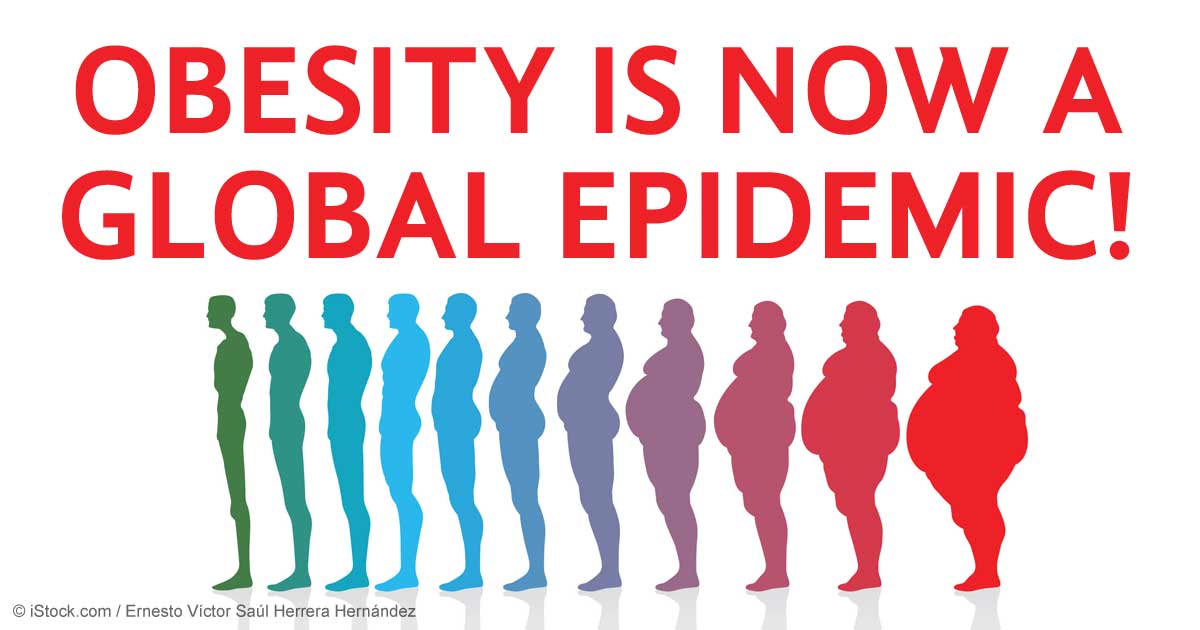
Obesity has become the most common disease known in North America, claiming over 5.3 million people. To be considered obese, this person must get their Body Mass Index (BMI) calculated. Relating height and weight to receive a BMI score of 30 or more obesity causes many other health risks including type 2 diabetes, gallbladder disease, coronary heart disease, cancer, and hypertension. Years of research have been collected, analyzing over 161 papers, Meyre and his colleagues from McMaster University and the University of British Columbia. Finding 79 reported obesity syndromes, 19 have been classified as monogenic that can be found by a simple lab test. 11 others have been partially clarified and 27 have been mapped to a chromosomal region, the remaining 22 syndromes have not been identified to specific genes or chromosomes.
Understanding the mutations of the genes that cause obesity will help better prepare individuals to prevent an unhealthy living style. The monogenic syndromes reveal that there is 100% chance of becoming obese but it is very rare. Only 0.1% of the obese population is overweight because of one gene. I think that this research will only develop more, the knowledge will help people life better quality lives. A persons genetics tells a lot right now but more that the scientist divulge into the studies more genes will be located and understood.
Tuesday, November 22, 2016
Obesity Linked to the Biological Age of Newborns
A recent study shows that a mothers' obesity may affect the biological age of her newborn child. This study, conducted at Hasselt University in Belgium, associates a shorter telomere length (located in the cells of the newborn) with the obesity of their mother. Researchers that conducted this study used a sample of 743 mothers, ranging from the age of 17 to 44, The researchers were able to use samples of umbilical cord blood obtained from each newborn, directly after their delivery.
Biological age is essentially the number of times a cell will be able to divide in its lifetime, which is typically determined by the length of the telomeres in the cells of our bodies. Telomeres are vital to have in a person's genome, given that they protect chromosomes from degrading; they are the structures at the ends of chromosomes. Given this benefit, cells then have a more likely chance of dividing throughout their lifetime depending on the length of the telomere that ends the chromosome in which it is attempting to divide.
After observing all of the data gathered throughout this study, it remained prevalent that newborns whose mothers were not considered obese had longer telomeres versus newborns who had mothers that were indeed considered obese. In fact, only a single point increase in a mother's body mass index, or ones' weight-to-height ratio, was linked with newborns whose telomeres were shortened by about fifty base pairs considered to the average newborn's telomere length. Although it is normal for telomeres to shorten as people age, the rate at which telomeres shorten does not remain consistent between individuals. The fifty base pair shortage in these newborns is actually equal to the amount of base pairs an adult would lose on average in only a bit over a year.

According to previously done studies, the length of telomeres in adults may be associated with some age-related diseases such as cardiovascular disease, type 2 diabetes and increased mortality; however, studies on the impacts of telomere length in newborns and children still remains limited. This study also does not take into account the body mass index, or the obesity of the paternal figure, which also may play a part in the length of the telomeres. Several factors have been ruled out to lead to the length of the telomeres; however, this is being further looked into.
I am very curious to see how this study will continue, and what further findings these researchers may have. I think it would be extremely important to learn about the influence of telomere length in newborns and children, given the associated health risks in adults. I also am very curious to see what role the paternal BMI, or possible other factors, will play in the deciding of the length of the newborn's telomeres.
Labels:
age-related diseases,
base pairs,
biological age,
BMI,
Cell division,
chromosome,
Hasselt University,
Newborns,
Obesity,
telomere length
Saturday, November 7, 2015
Study Finds Some People are 'Hard-Wired' to Prefer High Calorie Foods
Study leader Dr. Tony Goldstone, from Imperial College London in the UK, and colleagues have identified two genetic variants that influence whether we opt for high-calorie or low-calorie foods - a finding that that could open the door to more personalized treatment options for obesity. Dr. Goldstone and his colleagues set out to determine whether a person's food choices may be influenced by certain genetic variants. They conducted DNA genotyping on 45 European adults aged 19-55 to identify the presence of variants near two genes: the FTO gene, which has been associated with obesity predisposition, and the DRD2 gene, which plays a role in the regulation of dopamine in the brain. The subjects had a body mass index (BMI) ranging from 19 kg to 53.1 kg. Those subjects were asked to view pictures high and low-calorie foods and rate how appealing they were, while the researchers used functional magnetic resonance imaging (fMRI) to view brain activity.
They found that the participants who possessed a variant near the FTO gene and who rated the high calorie foods as more appealing demonstrated greater activity in a part of the brain called the orbitofrontal cortex. Based on their findings, the researchers suggest that individuals who possess the FTO gene may be at greater risk for obesity because dopamine signals trigger a sense of craving and reward in the presence of unhealthy foods. Dr. Goldstone says "It means they may experience more cravings than the average person when presented with high-calorie foods leading them to eat more of these foods." The study team suggests using gut hormones that target dopamine cells in the brain to alter the hormone's influence on cravings for high-calorie foods.
Obesity, basically, means having to much body fat and is different from overweight, which means weighing too much. Obesity occurs when over time when you eat more calories than you use. From this study, the team suggests that people who have the FTO gene may have a risk for obesity because of the dopamine triggers a sense of craving. This is very interesting because I had no idea obesity could be traced to the genetic level. This finding could be very beneficial to more treatments in the future, and may help stop obesity. More than a third of adults in the US, 78.6 million people, are obese and this study could help bring that number down because obesity can lead to heart disease, type 2 diabetes, and many more harmful diseases. This study helped me open my eyes about what foods to eat.
Original article here
Tuesday, September 22, 2015
Think Genes Drive Obesity? You May Eat Less Healthy
Studies have found a relation between obesity and feelings of powerlessness against one's DNA. People who have a bad outlook on their genetics in regards to their body mass index (BMI) tend to choose bad eating habits and avoid exercise. Experts in nutrition and obesity attempt to fight the bad notion that a person's weight is determined by their genetic makeup. A study of 4,200 men and 4,700 women found as people get older, poor eating habits are associated with the idea that weight is controlled by DNA rather than factors that people can actually control. These poor eating habits include eating fewer fruits and vegetables, dining out a lot, eating frozen foods, and ignoring nutrition labels.
I found this to be an interesting topic. I have always understood the impact that genetics can have on our body, but I also understand the impact that our decisions make. People shouldn't believe that their entire lives are dictated by their genetic makeup. I can see how this can discourage people. We are still in control of our environment, and the decisions that we make can greatly affect who we become, both physically and mentally.
Friday, December 5, 2014
Gene Linked to Heavy Smokers
Smokers, especially heavy smokers, have shown to have a genetic variant that is associate with increased body mass (BMI). The gene variant CHRNA5-A3-B4 is associated with smokers who have a low BMI, but the BMI in non smokers that have this gene to be higher. This gene that is linked to those who have never smoked is still not understood. There are assumptions that this gene variant reacting to nicotinic acetylcholine could be the reason for the low BMI.
http://abcnews.go.com/blogs/headlines/2013/09/florida-county-bans-smokers-from-new-jobs/http://www.sciencedaily.com/releases/2014/12/141204143124.htm
Monday, October 27, 2014
Diet for your DNA: Novel Nutrition Plan Sparks Debate Around Data Protection
Research shows that the diet plans will not be accepted publicly if regulations are not placed to protect DNA information; however, Professor Lynn Frewer explained that the people who were questioned saw many benefits of this research and were more than willing to share data about their DNA. On the other hand, the 9,381 participants questioned n European countries were hesitant about this since this type of research is often a commercial basis, and not common.
Once regulations on DNA are placed, I believe nutrigenomics will be very important in promoting human health across the globe. It is important to identify the gene interactions within the body per individual and understand what makes us different to promote growth in the field of genetics. If enough people follow the diet plans given to them once nutrigenomics becomes more popular, fast food and processed food may become healthy to prevent profit loss.
Article:
http://www.medicalnewstoday.com/releases/284240.php
Related Article:
http://www.brightsurf.com/news/headlines/102076/Diet_for_your_DNA_Novel_nutrition_plan_sparks_debate_around_data_protection.html
Labels:
BMI,
cancer,
diabetes,
DNA,
heart disease,
nutrition,
Obesity,
stroke,
type 2 diabetes
Subscribe to:
Comments (Atom)