Stem cell therapy for Parkinson's disease has reached a critical turning point, with multiple clinical trials demonstrating that transplanting dopamine-producing neurons into patients' brains can be done safely and may alleviate the motor symptoms that define this progressive neurological disorder. Two major phase 1 trials published in Nature during 2025 tested different stem cell sources, one using induced pluripotent stem cells derived from adult blood in Japan, and another using human embryonic stem cells in a collaboration between researchers at UC Irvine, Memorial Sloan Kettering Cancer Center, Weill Cornell Medicine, and the University of Toronto. Both studies involved surgical transplantation of early stage dopamine-producing cells directly into the putamen, a brain region critical for movement control. The trials enrolled a total of 19 participants with Parkinson's, all of whom received varying dose of the cellular therapy. Remarkably, after 18 to 24 months of follow-up, neither study reported serious adverse events related to the cell transplants, no tumor formation, and no dyskinesias induced by the transplanted cells; complications that had plagued earlier attempts at cell therapy decades ago.
Beyond establishing safety, both trials showed preliminary evidence of therapeutic benefit. In the Japanese trial using induced pluripotent stem cells, brain imaging revealed an average 44.7% increase in dopamine activity in the putamen, with participants in the higher-dose group experiencing the most substantial gains. Most participants demonstrated measurable improvements in movement symptoms whether they were on or off their regular Parkinson's medications. The North American trial using human embryonic stem cells reported similar findings: imaging studies confirm that transplanted cell survived and integrated into brain tissue even after immunosuppression medications were discontinued at 12 months, and participants receiving higher doses should an average 23-point improvement in their Parkinson's rating scale scores when off medication. While these improvements varied among individuals and require validation in larger studies, the consistency of results across different stem cell sources suggests the underlying biological principle is sound.
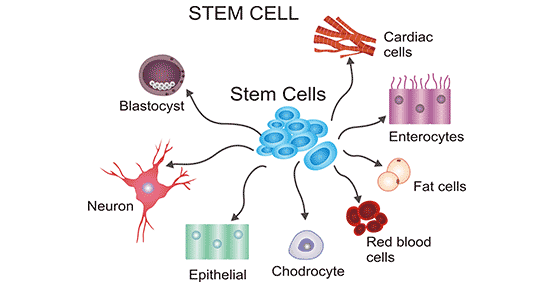
The genetic and regenerative medicine implications of this work extend well beyond Parkinson's treatment. These trials represent some of the most advanced applications of pluripotent stem cell technology in human neurodegenerative disease, demonstrating that scientists can guide stem cells to differentiate into specific neuron types and successfully integrate them into complex neural circuits. The University of Wisconsin's preliminary work using autologous induced pluripotent stem cells, cells derived from patient's own tissue, offers an additional advantage by potentially eliminating the need for long-term immunosuppression, though this approach requires personalized cell manufacturing for each patient. At phase three trials prepared to launch later in 2025 including UC Irvine's Alva Clinic the field stands at the threshold of potentially transforming Parkinson's from a disease management medications that lose effectiveness over time into one where neural networks can be rebuilt through a single surgical procedure the shift from symptomatic management to regenerative repair represents a fundamental reimagining of how neurodegenerative diseases might be treated in the coming decades.
Sources:
“Cell Therapy for Parkinson’s Shows Promise.” School of Medicine and Public Health, 16 Oct. 2025, www.med.wisc.edu/news/cell-therapy-for-parkinsons/.
“Stem-Cell Therapy Is a ‘big Leap’ for Parkinson’s Treatment.” UCI Health, 16 Apr. 2025, www.ucihealth.org/about-us/news/2025/04/parkinsons-study-nature.
“Two New Trials Explore Stem-Cell Therapy for Parkinson’s.” Parkinson’s Foundation, 8 May 2025, www.parkinson.org/blog/science-news/cell-replacement.