Researchers have tested using CRISPR to reduce insecticide
resistance in pests. In simple form, this was done by editing the gene which
controls insecticide resistance by returning it to a wild type allele, making
it susceptible to insecticides. This obviously came with ethical concern so the
researchers only made it a temporary solution. Hence, why they returned the
gene to wildtype rather than removing the insecticide-resistant variant genes entirely
by replacing them with susceptibility to pesticide genes. They term for this is
a e-Drive cassette which spreads through CRISPR gene editing which binds to Cas9
DNA and cuts out voltage gated sodium ion channel (vgsc) insecticide resistant gene
site. This solution is not permanent since removing insecticide resistance lowers
fitness of pests.

What the e-Drive essentially does is disable the insecticide
resistance gene by using CRISPR to ensure that the wild-type gene has a 100%
frequency of being passed to offspring. Since the non-resistance gene is being
spread rapidly, it can spread faster than the resistance gene within just a few
generations, 8 to 10 to be specific. Although the cassette was also inserted
with a fitness check which limits viability or fertility. So the wild type gene
spreads, increasing susceptibility and reducing pests (for example on crops),
then over time the added fitness check along with the natural lower fitness
takes over and the non-resistant pests eventually die out. The population
returns to a normal resistant one. The beauty of this e-Drive cassette is that
it can be reintroduced whenever needed, for example, if the pest problems become
large again, then the e-Drive can easily be added back. It is a short term,
effective, easily implemented, and easily removed strategy that the researchers
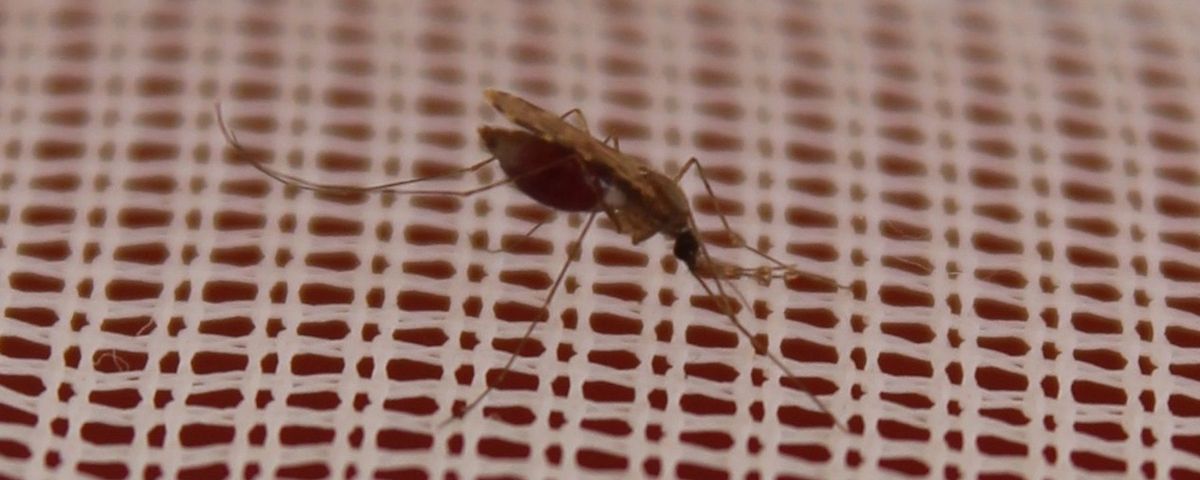
hope could also work on mosquitos for malaria.
This is a great development because insecticide-resistance
is rapidly spreading throughout populations of pests. While we need to control
pests from destroying things like crops, it is becoming increasingly difficult
to use pesticides to kill them. We also do not want the e-Drive to become out
of control which could seriously harm pest populations. As the researcher says,
this strategy will work without creating any other perturbation to the
environment. If we can successfully increase pesticide effectiveness without
entirely harming a pest population, I am all for it.
Links
https://www.sciencedaily.com/releases/2024/11/241122172740.htm
https://www.epa.gov/pesticide-registration/slowing-and-combating-pest-resistance-pesticides