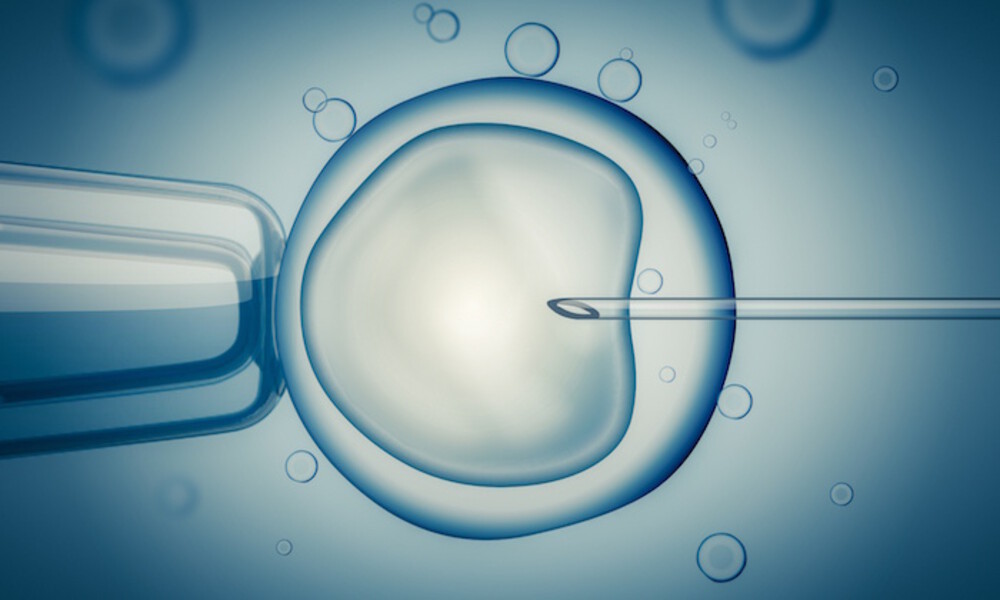
The recent birth of eight healthy children in the U.K. represents a significant milestone in preventing mitochondrial diseases through assisted reproductive technology. These babies were born using mitochondrial donation, a technique that combines the DNA from three people to prevent the transmission of serious inherited conditions. The procedure involves taking the nucleus from the mother's egg and transferring it into a donor egg that has had its own nucleus removed but retains healthy mitochondria. The procedure works by replacing faulty mitochondrial DNA from the mother with healthy mitochondrial DNA from a donor, while more than 99% of the child's genetic material still comes from the biological parents.
The results, published in the New England Journal of Medicine, show promising outcomes. In six of the eight babies, faulty mtDNA was reduced by 95-100%, while the other two showed reductions of 77-88%. All children are currently healthy, though they will continue to be monitored over time. This is particularly significant because mitochondrial diseases affect approximately 1 in every 5,000 babies and can cause devastating health problems including vision loss, diabetes, and muscle weakness, all of which are currently untreatable. These diseases are passed down exclusively through the mother, as mitochondrial DNA is inherited only from the maternal line. However, the research also reveals an important dilemma. Three of the babies have shown signs of "reversal", where the proportion of abnormal mitochondria increases after birth despite initially successful embryo treatment. This phenomenon requires further study to fully understand the long term effectiveness of the technique.
From a genetics perspective, this advancement demonstrates how modern reproductive medicine can intervene at the cellular level to prevent inherited disease. Mitochondrial DNA is unique because it is passed down exclusively through the maternal line, making it distinct from the nuclear DNA inherited from both parents. The technique's ability to replace this specific genetic material while preserving the parent's nuclear DNA represents a targeted approach to genetic disease prevention. The significance extends beyond the eight families referenced in the articles. This technology offers hope to families facing devastating mitochondrial diseases and provides them with a viable reproductive option. However, experts emphasize the fact that the treatment. should only be used for those at very high risk of passing on the disease, not as a general fertility treatment, due to the risk/benefit considerations involved.
Sources:
8 Babies Born Using New IVF Technique to Prevent Rare Genetic Diseases, 18 July 2025, www.usnews.com/news/health-news/articles/2025-07-18/8-babies-born-using-new-ivf-technique-to-prevent-rare-genetic-diseases.
Hyslop, Louise A., et. al, “Mitochondrial Donation and Preimplantation Genetic Testing for mtDNA Disease.” The New England Journal of Medicine, 16 July 2025, www.journaltocs.ac.uk/index.php?action=tocs&journalID=10326.

No comments:
Post a Comment