This past summer, an article was published in the New York Times detailing the re arrival of screwworm in the United States. Screwworm, largely eradicated in the 1970s in the United States, has made a reappearance due to breaching a barrier in Panama, sparking concern from both the U.S. and Mexico. The parasite is a flesh eating maggot that feasts on the open wounds of animals. It affects mostly livestock, but can also spread to other animals including deer, rabbits, and even humans.
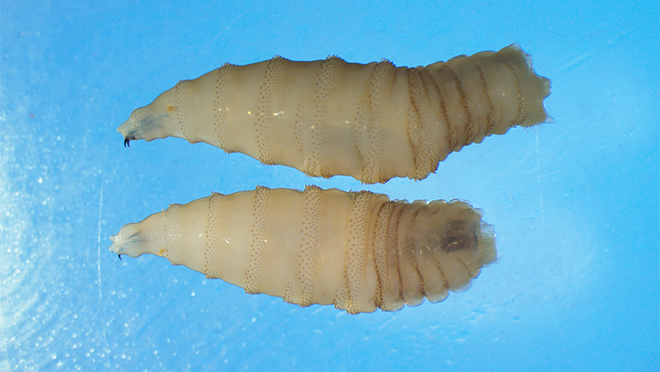
The issue is, this problem had already been solved before. In the 1950s, it was discovered that scientists could create sterile male screwworm flies and release them into areas that contained massive amounts of screwworm. This would severely decrease the population as the females would mate with the sterile males, thus decimating the population. A barrier was created and maintained from 2006 onward, until 2022 where said barrier was somehow broken through, causing screwworm to start to make its way back into Central and North America. This means that these companies that were making the sterile flies will need to heavily ramp up production to drive down the population of these invaders and send them away for good. To me, this article highlights that safety and attention to detail that is needed to work in the field of science. If something like this can happen once, there is nothing stopping it from happening again. We need to ensure that careful attention is payed to everything, so that something like this, or worse, doesn't happen again.
This post was so interesting to read. This is a great demonstration of how human intervention and population genetics are related.
ReplyDeleteThis is so interesting considering that screwworms were thought to be a problem that was solved. This makes it more alarming. It is important that environmental control is constantly monitored
ReplyDelete